


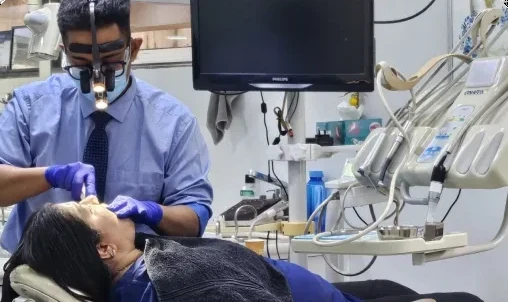


Have you ever noticed that your gums bleed while brushing or that your teeth look longer than before? These changes may be signs of gum problems. One condition that can develop is periodontal pockets, also known as deep gum pockets. They form when the gums pull away from the teeth, creating spaces where bacteria, plaque and tartar can collect.
Periodontal pockets are often linked to gum disease. If left untreated, they can become deeper and damage the tissues and bone that support your teeth. The good news is that early diagnosis and the right dental treatment can help control the condition and prevent further damage. In this blog, we will explain what periodontal pockets are, why they develop, how dentists measure them and which treatment options can help protect your gum health.
What Are Periodontal Pockets?
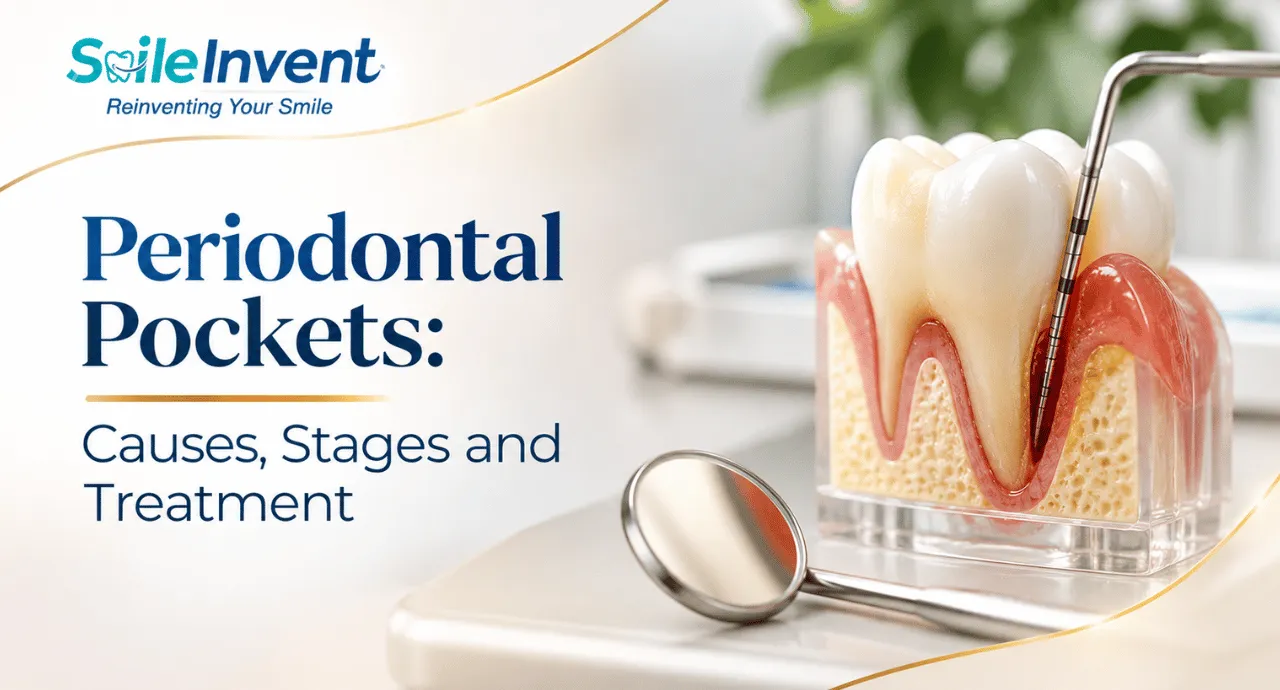
Periodontal pockets are spaces that develop between the teeth and the surrounding gums. In a healthy mouth, the gums fit closely around the teeth, leaving only a small space called the gingival sulcus. When plaque bacteria cause gum inflammation and damage the supporting tissues, the gums can separate from the teeth and form deeper spaces known as periodontal pockets.
These pockets can trap food particles, plaque and bacteria below the gumline, where regular brushing may not reach properly. As the pockets become deeper, it becomes harder to keep the area clean. This can allow gum infection to progress and may lead to damage to the bone and tissues supporting the teeth.
Periodontal pockets are commonly associated with periodontitis, an advanced form of gum disease. A dentist measures the depth of these spaces to check gum health and understand whether further treatment is needed.
How Do Periodontal Pockets Form?
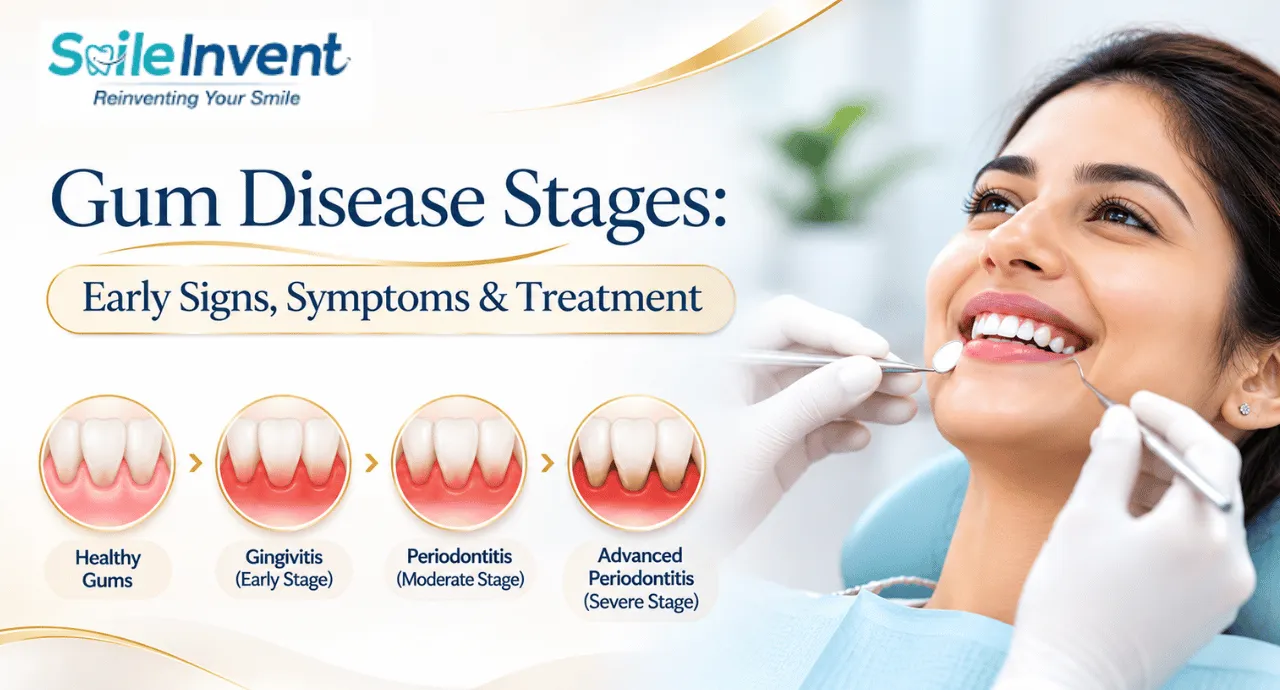
Periodontal pockets develop gradually, usually due to plaque buildup along the gumline. Plaque is a sticky layer of bacteria that forms on teeth every day. When it is not removed through regular brushing and flossing, it can irritate the gums and cause gingivitis. The gums may become red, swollen or bleed while brushing. At this stage, the inflammation is usually limited to the gum tissue.
If the inflammation is not treated, it can progress to periodontitis. The infection starts damaging the fibres and supporting tissues that connect the gums to the teeth. As this attachment weakens, the gums begin to separate from the teeth, creating deeper spaces called periodontal pockets. Bacteria can collect inside these spaces and continue damaging the surrounding tissues and bone.
As the pockets become deeper, cleaning them at home becomes more difficult because a regular toothbrush cannot reach far below the gumline. This allows more plaque and bacteria to collect, which can make the condition worse over time. Early dental care can help control the infection before further damage occurs.
What Causes Periodontal Pockets?
The main cause of periodontal pockets is periodontitis, which develops when bacteria in dental plaque trigger inflammation and damage the tissues supporting your teeth. When plaque is not removed regularly, it can harden into tartar and collect along and below the gumline. This allows bacteria to build up around the gums and can lead to deeper pockets between the teeth and gums.
Plaque buildup is not the only factor that can increase the risk of periodontal pockets. Certain habits and health conditions can make gum infections more likely or affect how quickly they progress.
Poor oral hygiene: Irregular brushing and flossing allow plaque and tartar to collect around the gumline.
Smoking and tobacco use: Tobacco increases the risk of gum disease and can slow down healing.
Diabetes: Poorly controlled blood sugar can make gum infections harder to manage.
Hormonal changes: Pregnancy and menopause can make gums more sensitive to plaque.
Genetics: Some people may be more likely to develop severe gum problems due to their family history.
Certain medications: Some medicines can reduce saliva flow or cause gum changes, making oral hygiene more difficult.
These factors do not always cause periodontal pockets on their own, but they can increase the risk of gum disease. Managing them along with good oral hygiene and regular dental checkups can help protect your gums.
What Is the Normal Gum Pocket Depth?
The normal gum pocket depth in healthy gums is usually 1 to 3 mm. This small space between the tooth and gum is natural and does not indicate gum disease. During a dental checkup, a dentist uses a small instrument called a periodontal probe to measure the depth around each tooth. This helps check whether the gums are healthy or showing signs of infection.
Here is what different gum pocket depths generally indicate:
A deeper gum pocket does not always mean severe gum disease. Your dentist also checks for bleeding, gum recession and bone loss before deciding on treatment. Regular dental checkups can help identify changes in gum pocket depth early, before they affect the supporting tissues around your teeth.
What Are the Signs and Symptoms of Deep Gum Pockets?
Deep gum pockets do not always cause pain, especially in the early stages. That's why many people do not realise they have a gum problem until it becomes more serious. You may notice bleeding while brushing or flossing, red or swollen gums, or bad breath that does not go away even after brushing. Some people also experience tenderness around the gums or notice that their gums are slowly pulling away from their teeth.
As the periodontal pocket becomes deeper, other symptoms may appear, such as:
Bleeding gums: Gums bleed easily while brushing or eating.
Persistent bad breath: Bacteria trapped inside gum pockets can cause an unpleasant smell.
Swollen or tender gums: The gum tissue may look red, feel sore or become sensitive.
Gum recession: Gums start pulling away from the teeth, making them appear longer.
Pus around the gums: An infection may cause pus to appear near the gum line.
Loose teeth: Advanced gum disease can damage the bone supporting your teeth.
Changes in your bite: Your teeth may feel different when you close your mouth.
If you notice these symptoms, do not wait for pain to develop. A dental checkup can help identify the depth of gum pockets and whether gum disease is affecting the tissues around your teeth.
What Happens If Periodontal Pockets Are Left Untreated?
Periodontal pockets can become deeper if the bacteria causing gum infection are not treated. As the infection spreads below the gum line, it starts damaging the tissues and bone that support your teeth. You may first notice bleeding gums, bad breath or gum swelling. Over time, the gums can pull away from the teeth, creating larger spaces where more bacteria can collect. This makes the infection harder to control and increases the risk of permanent damage.
Here are some possible complications of untreated periodontal pockets:
Progressive gum disease: The infection can spread deeper into the gums and surrounding tissues.
Bone loss: Bacteria can damage the jawbone that supports your teeth.
Gum recession: The gums may move away from the teeth, exposing more of their surface.
Loose teeth: As the supporting bone weakens, teeth may become loose.
Tooth loss: Severe periodontitis can eventually lead to tooth loss.
Gum abscess: An infection may cause a painful swelling filled with pus around the gums.
Untreated gum pockets can affect more than just your smile. They may make chewing uncomfortable and can lead to complex dental treatments later. Early diagnosis and professional periodontal care can help control the infection and reduce the risk of further damage.
How Are Periodontal Pockets Diagnosed?
You may not be able to tell how deep your gum pockets are just by looking in the mirror. A dentist needs to examine the gums and measure the spaces around your teeth to find out whether gum disease is present. During the examination, a thin measuring tool called a periodontal probe is gently placed between the tooth and gum. The dentist records the depth at different points around each tooth. Healthy gums generally measure 1 to 3 mm, while deeper measurements may indicate periodontal problems.
The dentist may also look for bleeding, swelling, gum recession or loose teeth. If there are signs of advanced gum disease, dental X rays may be recommended to check whether the infection has affected the bone supporting your teeth. By combining these findings, the dentist can understand how far the gum disease has progressed and plan suitable treatment.
What Are the Treatment Options for Periodontal Pockets?
The treatment for periodontal pockets depends on how deep the pockets are and how much damage the gum tissue and supporting bone have suffered. In the early stages, professional dental cleaning may be enough to remove plaque and tartar around the teeth. If the pockets are deeper, the dentist may recommend a procedure called scaling and root planing. It cleans bacteria from below the gum line and smooths the tooth roots, making it easier for the gums to heal and attach to the teeth.
For more advanced gum disease, other treatments may be needed to control the infection and protect the supporting bone. Common treatment options include:
Professional Dental Cleaning: Removes plaque and tartar from the tooth surfaces and along the gum line.
Scaling and Root Planing: A deep cleaning procedure that removes bacteria and tartar from below the gums and smooths the tooth roots.
Antimicrobial Treatment: Special medicines may be placed inside gum pockets to help control bacterial infection.
Periodontal Flap Surgery: The dentist or periodontist gently lifts the gum tissue to clean deep areas that cannot be reached through regular cleaning.
Bone Grafting: In selected cases, grafting material may be used to help restore bone lost due to advanced gum disease.
Guided Tissue Regeneration: A specialised procedure that may help regenerate lost supporting tissues in suitable cases.
Your dentist will recommend treatment based on your gum pocket measurements, X ray findings and overall gum health. Regular follow up visits are also needed to check healing and prevent the pockets from becoming deeper again.
Can Periodontal Pockets Be Reversed?
Yes, periodontal pockets can sometimes become shallower with the right treatment, but the results depend on how much damage has already occurred. If the pockets are caused by early gum inflammation (gingivitis), professional cleaning and good oral hygiene can help the gums return to a healthy condition. As the swelling reduces, the gums may become firm again and fit more closely around the teeth.
But when gum disease has progressed to periodontitis, the supporting bone and tissues may already be damaged. Treatment such as scaling and root planing can reduce pocket depth and control the infection, but lost bone and gum tissue do not usually grow back on their own. Some patients may benefit from specialised regenerative procedures. Regular dental visits, proper brushing and daily flossing are needed to maintain the results and prevent further damage.
How Can You Prevent Periodontal Pockets from Deepening?
Good oral hygiene is one of the best ways to prevent gum pockets from becoming deeper. Plaque builds up around the teeth every day, and if it is not removed, it can harden into tartar and irritate the gums. Brushing twice a day, cleaning between your teeth and visiting your dentist regularly can help keep your gums healthy. Even if you have already been treated for periodontal pockets, daily care is necessary to prevent the infection from returning.
Here are some simple habits that can protect your gums:
Brush twice daily: Use a soft bristled toothbrush and fluoride toothpaste. Brush gently along the gum line.
Clean between your teeth: Use dental floss or interdental brushes to remove food particles and plaque from areas your toothbrush cannot reach.
Schedule regular dental cleanings: Visit your dentist for professional cleaning and gum health checks.
Avoid tobacco: Smoking and tobacco use can increase the risk of gum disease and affect healing.
Eat a balanced diet: Include fruits, vegetables and nutritious foods to support healthy gums.
Follow your treatment plan: If you have periodontal pockets, attend follow up appointments as recommended by your dentist.
When Should You See a Dentist?
Do not wait until your gums start hurting before visiting a dentist. Gum disease can develop slowly, and periodontal pockets may become deeper without causing noticeable pain. If you regularly notice bleeding while brushing, swollen gums, persistent bad breath or gums pulling away from your teeth, it is a good idea to schedule a dental checkup.
You should also visit a dentist if you notice pus around your gums, loose teeth, discomfort while chewing or changes in how your teeth fit together. These symptoms may indicate advanced gum disease that needs professional attention. If you have sudden painful swelling, pus or fever, seek prompt dental care rather than waiting for a routine appointment. Early treatment can help control the infection, protect the supporting bone and reduce the risk of tooth loss.
Periodontal Care at Smile Invent Dental Clinic
Healthy gums are just as important as healthy teeth. At Smile Invent Dental Clinic, we focus on identifying gum problems early and providing suitable treatment based on each patient's condition. Whether you have bleeding gums, persistent bad breath, gum recession or deep periodontal pockets, our dental team can examine your gums, measure pocket depth and recommend the right care.
If you are looking for an experienced dentist in Mumbai, Smile Invent Dental Clinic offers dental consultations and periodontal care in Bandra East. From professional cleaning to deep cleaning procedures, the focus is on controlling gum infection, protecting the supporting tissues and helping you maintain your natural teeth. Regular follow up visits and proper home care can also help keep your gums healthy in the long run.
FAQ’s
1. Are 3 mm gum pockets considered healthy?
Yes. Gum pockets measuring 1 to 3 mm are generally considered healthy. They indicate that the gums are fitting closely around the teeth. Regular brushing, flossing and dental checkups help maintain healthy gum pocket depth.
2. Can periodontal pockets go away without surgery?
Yes, some periodontal pockets can improve without surgery. Professional treatments such as scaling and root planing remove plaque and bacteria from below the gum line. Early gum problems may respond well to nonsurgical treatment, while advanced cases may need periodontal surgery.
3. Is a 4 mm gum pocket a sign of gum disease?
A 4 mm gum pocket may indicate early periodontal changes, but it does not automatically mean you have gum disease. Your dentist will also check for bleeding, gum recession and bone loss before making a diagnosis.
4. Can deep gum pockets cause tooth loss?
Yes. Deep periodontal pockets can allow bacteria to damage the bone and tissues supporting your teeth. If the infection continues without treatment, the teeth may become loose and eventually fall out or need to be removed.
5. How can I reduce periodontal pocket depth naturally?
You can support gum health by brushing twice daily, flossing regularly, using a soft bristled toothbrush and avoiding tobacco. But home care alone cannot remove hardened tartar or treat established deep periodontal pockets. Professional dental treatment may be needed.
6. Are periodontal pockets painful?
Not always. Many people have periodontal pockets without experiencing pain. Some may notice bleeding gums, swelling, bad breath or tenderness. This is why regular dental examinations are helpful, even when your teeth and gums feel normal.
Conclusion
Periodontal pockets may start as small spaces between the teeth and gums, but ignoring them can lead to serious gum problems over time. Regular dental checkups, proper oral hygiene and timely treatment can help control gum infections and prevent further damage. If you notice bleeding gums, persistent bad breath, gum recession or loose teeth, do not delay a dental visit.
At Smile Invent Dental Clinic, our team focuses on identifying gum problems early and providing suitable periodontal care. If you are looking for a reliable dentist in Mumbai, visit our clinic in Bandra East for a dental consultation and take the first step towards healthier gums and a healthier smile.
This article is general information, not a diagnosis. For advice about your own teeth, book a consultation.