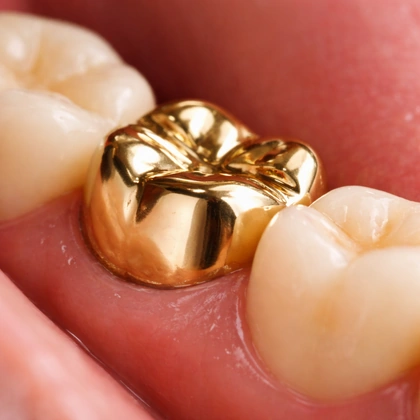
Metal Crowns
Metal crowns are made using materials like gold or other alloys. They are very strong, last long, and can handle heavy chewing. Because of their metallic colour, they are mostly used for back teeth.



Highly recommend Dr. Arjun and Dr. Boskey! Clinic is clean, doctors are patient, and personalized follow-up care is excellent.Gaurav Garg Read patient reviews
 White Coating on Tongue: Causes, Treatment & When to Worry
 Food Stuck Between Teeth: Causes, How to Remove It & Treatment
All articles
Food Stuck Between Teeth: Causes, How to Remove It & Treatment
All articles
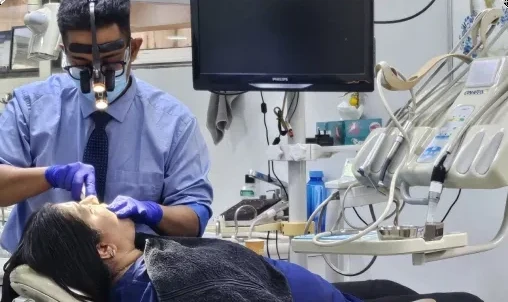 The clinic, our team and patient results
View gallery
The clinic, our team and patient results
View gallery
Strong and Natural-Looking Crowns to Restore Damaged Teeth
Weak, broken, or heavily filled teeth can affect chewing and cause discomfort. A dental crown covers the tooth completely, restores its strength, and helps it function normally again. At Smile Invent Dental Clinic, an experienced dentist for crowns in Bandra East provides carefully fitted teeth crowns that look natural and feel comfortable, so you can eat and smile with confidence — book your appointment today by calling now or scheduling online.


Book a Dental Crown Consultation
Leave your name and number. Our team will call you back within 24 hours.
Dental crowns are used to protect weak or damaged teeth and restore their normal shape and strength. They are commonly placed after root canal treatment or when a tooth has a large filling and needs extra support.
People looking for dental crowns in Bandra East often visit Smile Invent Dental Clinic for reliable care and comfortable treatment. Each crown is designed to match the natural tooth colour and bite, so it feels smooth while eating and speaking. The process is simple, and proper guidance is shared at every step for long-lasting results.
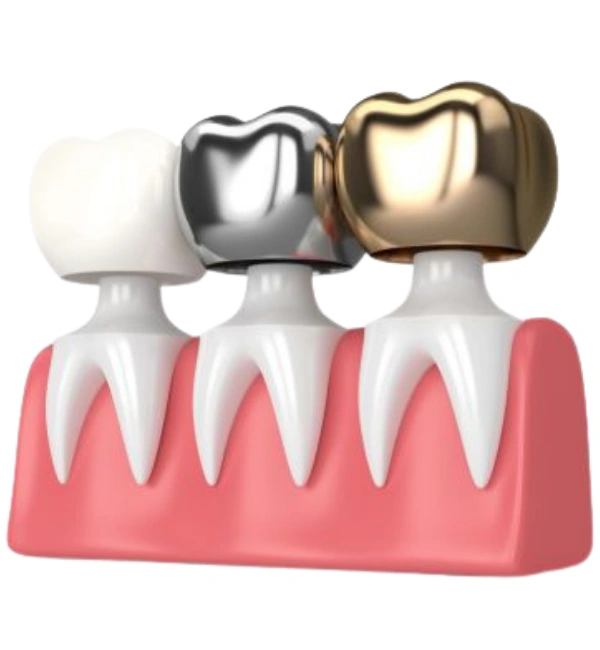
Dental crowns, also called teeth crowns, are tooth-shaped caps placed over a damaged or weak tooth. They help bring back the tooth’s shape, size, and strength. A crown also improves how the tooth looks, especially when a large part of the tooth is broken or worn out.
When a tooth has lost most of its structure, a crown is often the best way to save it. Once the crown is placed, the tooth can work normally again for chewing and speaking.
Delaying a crown after it is advised can cause more damage to the tooth. Over time, the tooth may weaken further or affect nearby teeth, sometimes leading to tooth removal. Getting a dental crown on time helps protect the tooth and prevents bigger problems later.
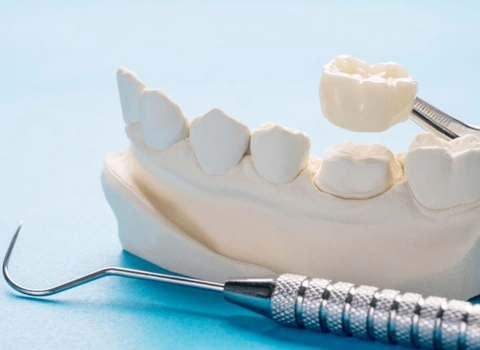
There are different types of dental crowns available, and the right one depends on your tooth condition, bite, and appearance needs. After examining your tooth, we suggest the crown that suits you best.
Metal crowns are made using materials like gold or other alloys. They are very strong, last long, and can handle heavy chewing. Because of their metallic colour, they are mostly used for back teeth.
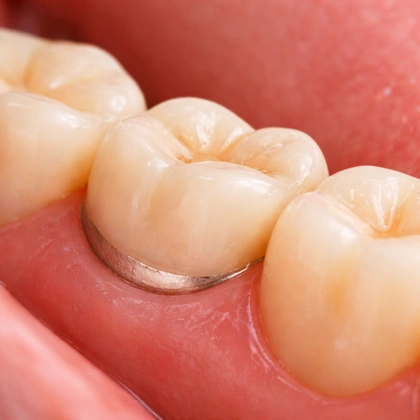
PFM crowns combine the strength of metal with a tooth-coloured outer layer. They look natural and are suitable for both front and back teeth. Over time, the outer layer may wear, but they remain a reliable option.
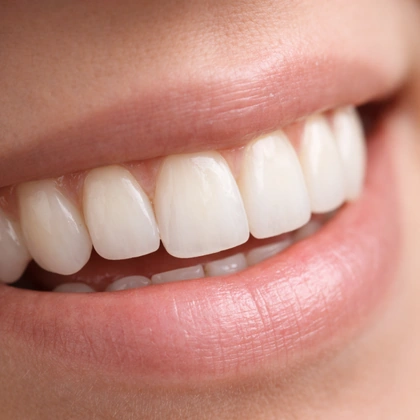
Pressed ceramic crowns have a strong ceramic core with a natural outer finish. They blend well with natural teeth and are used for both visible and non-visible teeth.
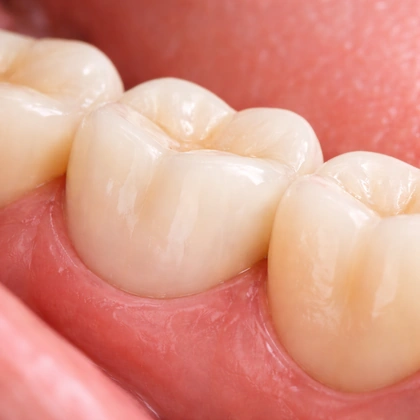
These crowns closely match natural tooth colour and are ideal for people who want a metal-free option. Zirconia crowns are strong, long-lasting, and gentle on nearby teeth.
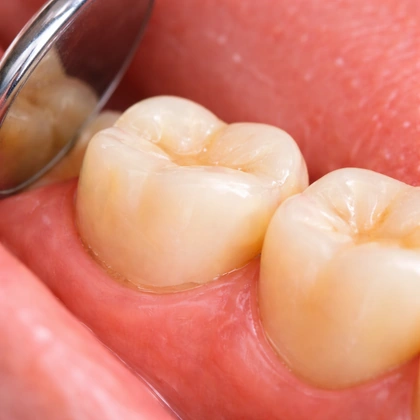
Resin crowns are usually placed as a temporary cover while waiting for the final crown. They are less durable and meant for short-term use only.
Have a question about dental crowns? Our dentists will explain your options and the cost before any treatment.
Dental crown treatment becomes easier when you choose the right clinic. At Smile Invent Dental Clinic, Dr. Boskey Panikar and Dr. Arjun Panikar focus on restoring damaged teeth with well-fitted, natural-looking teeth crowns that last.
Each tooth is checked carefully using X-rays when required, and the entire process is explained in simple words. Modern tools and precise methods are used to ensure proper fit and comfort. High hygiene standards are followed at every step, keeping the treatment safe and smooth.
Patients looking for a trusted dentist for crowns value the clear communication, comfortable care, and continued support even after the crown is placed.
Dental crowns are needed when a tooth becomes weak, broken, or heavily damaged and cannot function properly on its own. They cover the tooth completely and protect it from further damage. Crowns are often recommended after root canal treatment, for teeth with large cavities, or when a filling is no longer strong enough.
They are also used to support dental bridges and improve the look of teeth that are discolored or uneven. By restoring strength, shape, and appearance, dental crowns help you chew comfortably and maintain a natural-looking smile.
A dental crown procedure is usually completed in two visits. Each step is carefully planned to ensure the crown fits properly, feels comfortable, and looks natural.
Book a Dental Crown ConsultationThe first visit includes a detailed examination of the tooth. An X-ray may be taken to check the inner condition and strength of the tooth. Crown options and the treatment plan are explained clearly. If a procedure like a root canal is needed, it is completed before moving ahead with the crown.
To make space for the crown, a small portion of the tooth surface is reshaped. In cases where the tooth is weak or broken, filling material is used to build it up and provide proper support.
After preparation, impressions are taken using digital scanning or impression material. These details are sent to a dental lab to create a crown that matches your natural tooth shape, size, and bite.
While the permanent crown is being made, a temporary crown is placed on the tooth. This helps protect the tooth and allows normal use until the final crown is ready.
The second visit focuses on placing the permanent crown. The temporary crown is removed, and the new crown is checked for fit, color, and comfort. Once approved, it is fixed using strong dental cement, followed by final bite adjustments.
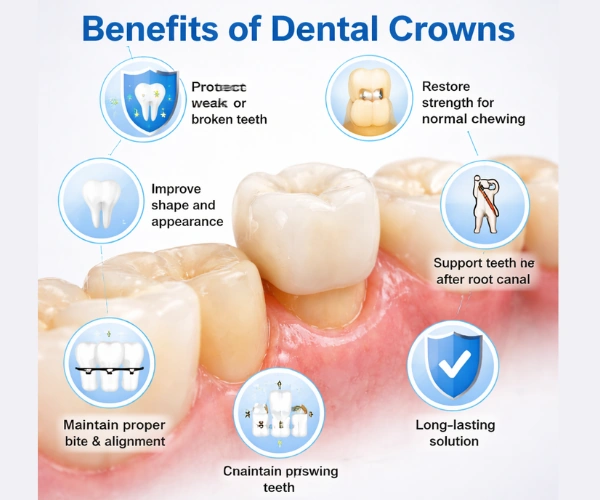
Dental crowns help protect damaged teeth and restore their normal function. They are designed to strengthen the tooth while improving comfort and appearance.
Benefits of Dental Crowns:
Not sure which treatment you need? Send us a photo, X-ray or report on WhatsApp and our dentists will guide you on the next step.
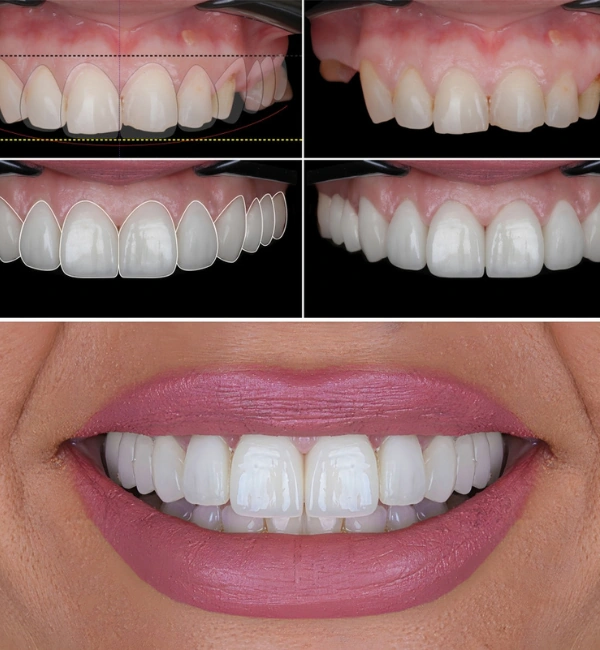
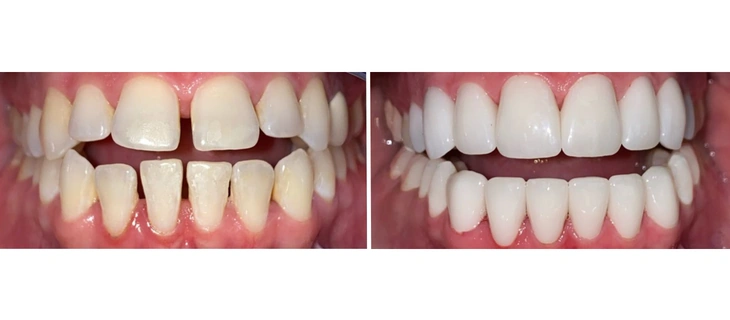
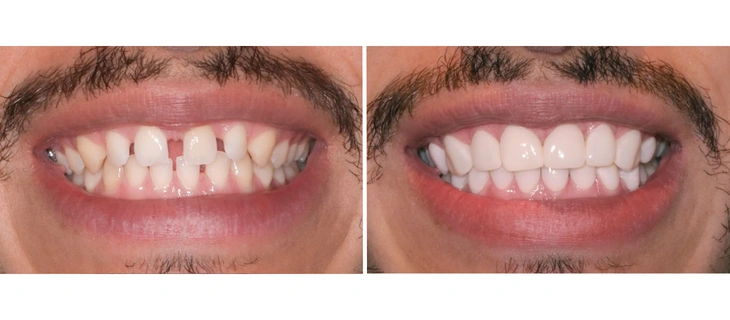
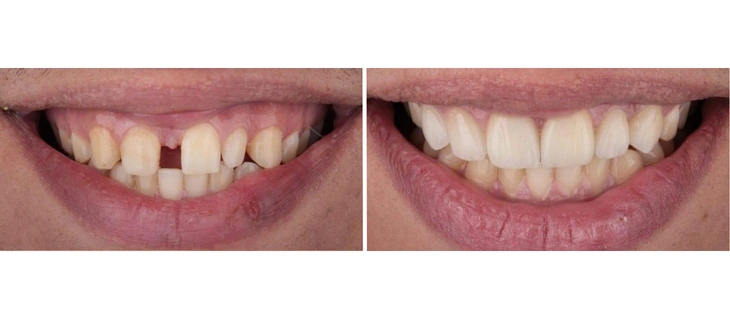
Dental Crowns cases treated at Smile Invent Dental Clinic.
Rated 4.9 from 267 Google reviews.
I got my dental crown treatment done at Smile Invent Dental Clinic and had a great experience. Dr. Arjun Panikar explained the entire procedure clearly and ensured everything was comfortable. The crown fits perfectly and feels just like a natural tooth. I’m very satisfied with the treatment.
I visited Smile Invent Dental Clinic for a damaged tooth that required a crown. Dr. Boskey Panikar handled the treatment very professionally and gently. The clinic is modern and well maintained. The crown looks natural and the fit is excellent.
My experience with dental crown treatment at Smile Invent Dental Clinic was very positive. Dr. Arjun Panikar made sure I understood the process before starting. The procedure was smooth and painless. I’m very happy with the final result.
I had a dental crown placed at Smile Invent Dental Clinic and the treatment was handled with great care. The doctors were patient and answered all my questions. The crown blends perfectly with my natural teeth. Highly recommend the clinic for dental restorations.
Have a question about Dental Crowns?
Your Healthy Smile Is Just One Appointment Away
Our experienced dental team provides gentle, personalized care using modern techniques.
Expert tips, treatment guides, and answers from our dental team.