






Oral thrush is a common fungal infection that affects the inside of the mouth. It develops when a yeast called Candida grows more than usual. This yeast naturally lives in the mouth and other parts of the body, but certain conditions can allow it to multiply and cause an infection. Oral thrush can affect babies, children and adults, and it may cause discomfort while eating, drinking or speaking.
The most common signs include white patches on the tongue, inner cheeks or roof of the mouth. Some people may also experience soreness, a burning sensation, changes in taste or cracks at the corners of the lips. Although oral thrush is usually treatable, it is important to identify the actual cause because other mouth conditions can also lead to white patches. This guide covers oral thrush causes, symptoms, treatment and prevention, along with signs that indicate when you should visit a dentist.
What Is Oral Thrush?
Oral thrush, also known as oral candidiasis, is a fungal infection in the mouth caused by an overgrowth of Candida yeast, most commonly Candida albicans. A small amount of this yeast normally lives in the mouth without causing problems. But when the natural balance of microorganisms changes, the yeast can multiply and lead to an infection. This may happen due to a weakened immune system, certain medications or changes in oral health.
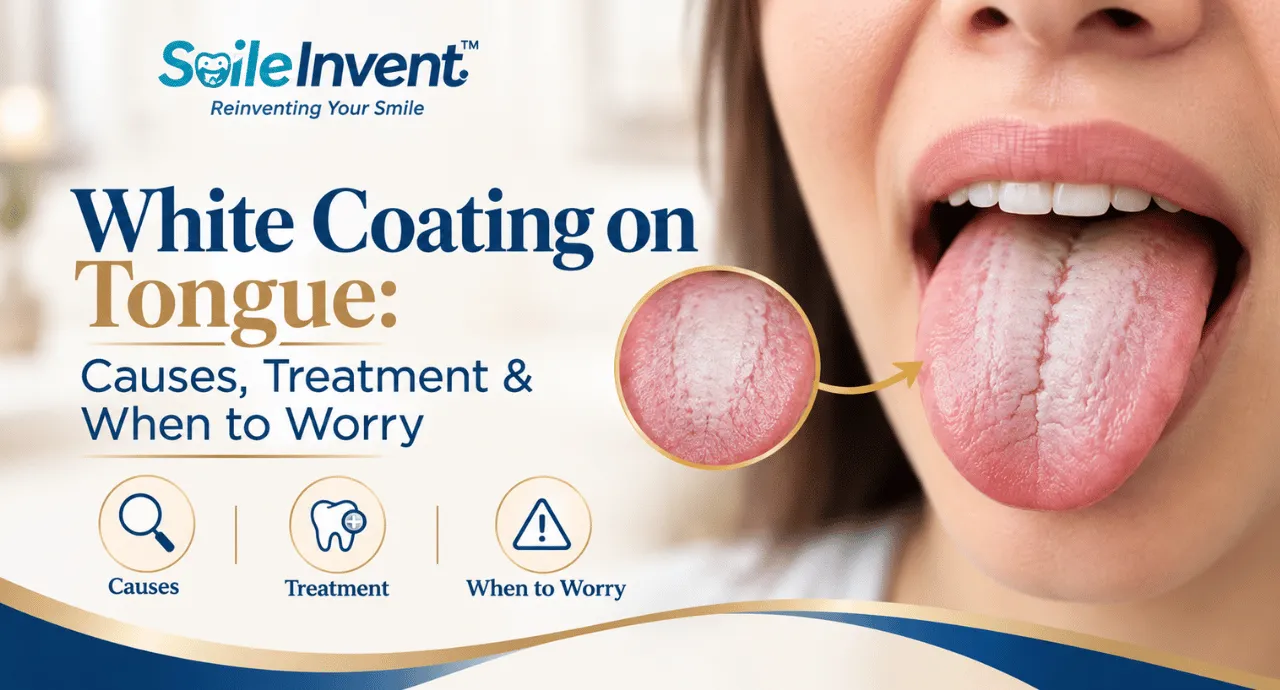
Oral thrush usually appears as creamy white patches on the tongue, inner cheeks, gums or roof of the mouth. These patches may look like a layer of milk or cottage cheese. In some cases, they can be wiped away, leaving a red, sore area that may bleed slightly. The infection can also cause discomfort while eating, drinking or swallowing. Although oral thrush in adults is more common among people with certain risk factors, it can also affect babies and children.
What Causes Oral Thrush?
Oral thrush develops when a yeast called Candida, especially Candida albicans, grows excessively inside the mouth. Normally, this yeast lives in small amounts without causing any problems. Healthy bacteria, saliva and the immune system help keep its growth under control. But when this natural balance is disturbed, Candida can multiply and cause a fungal infection in the mouth.
Several health conditions, medications and daily habits can increase the risk of developing oral thrush. Some of the most common oral thrush causes include:
1. Weakened Immune System
The immune system helps protect the body from infections, including fungal infections. People with weakened immunity due to certain illnesses, medications or medical treatments may find it harder to control Candida growth. This makes them more likely to develop oral thrush.
2. Use of Antibiotics
Antibiotics are used to treat bacterial infections, but they can also reduce some of the healthy bacteria that naturally live in the mouth. These bacteria normally help control Candida growth. When their numbers decrease, the yeast may multiply and cause an oral yeast infection, especially after prolonged or repeated antibiotic use.
3. Uncontrolled Diabetes
People with poorly controlled diabetes have a higher risk of oral thrush. Increased glucose levels in saliva can create favourable conditions for Candida growth. Diabetes may also affect the body's ability to fight infections, making oral thrush more likely to develop or return.
4. Dry Mouth
Saliva helps wash away food particles, control microorganisms and maintain a healthy environment inside the mouth. When saliva production decreases, Candida can grow more easily. Dry mouth may occur due to dehydration, certain medications, medical conditions or problems with the salivary glands.
5. Poor Denture Hygiene
Dentures can create a warm, moist environment where Candida grows easily, especially when they are worn overnight. Dentures that are not cleaned properly or do not fit well can also irritate the gums and surrounding tissues. This increases the risk of a fungal infection beneath the dentures, sometimes called denture stomatitis.
6. Use of Steroid Inhalers
People who use corticosteroid inhalers for asthma or other breathing conditions may develop oral thrush because some of the medication can remain inside the mouth. This can reduce the mouth's local defence against fungal growth. Rinsing the mouth with water and spitting it out after using a steroid inhaler can help reduce this risk.
7. Cancer Treatment
Chemotherapy and radiation therapy, particularly treatment involving the head and neck, can affect the immune system and the tissues inside the mouth. These treatments may also reduce saliva production, creating conditions that allow Candida to grow more easily.
8. Smoking and Tobacco Use
Smoking can affect the natural balance of microorganisms in the mouth and may increase the risk of Candida overgrowth. It can also irritate oral tissues and contribute to other dental problems. People who smoke and wear dentures may have an increased risk of oral fungal infections.
Oral thrush can develop for different reasons, and sometimes more than one factor is involved. Having these risk factors does not always mean a person will develop an infection. If you notice persistent white patches, redness, soreness or a burning sensation inside your mouth, visit a dentist for a proper examination.
What Are the Symptoms of Oral Thrush?
The symptoms of oral thrush can vary from person to person. Some people notice white patches inside their mouth, while others experience soreness, a burning sensation or changes in taste. The infection may develop on the tongue, inner cheeks, gums, roof of the mouth or back of the throat. In mild cases, the symptoms may be difficult to notice at first.
Here are the common oral thrush symptoms to look out for:
1. White Patches Inside the Mouth
Creamy white patches may appear on the tongue, inner cheeks, gums, roof of the mouth or tonsils. These patches may look slightly raised and can sometimes be wiped away, leaving red or sore areas underneath.
2. Redness and Soreness
The affected areas may become red, tender or irritated. You may feel discomfort while eating, drinking or brushing your teeth.
3. Burning Sensation in the Mouth
Some people experience a burning or stinging feeling on the tongue or other affected areas. Spicy, acidic or hot foods may make this discomfort worse.
4. Changes in Taste
Oral thrush can affect your sense of taste. Food may taste different than usual, or you may notice an unpleasant taste that stays in your mouth.
5. Cracks at the Corners of the Mouth
The skin at the corners of your lips may become red, dry or cracked. This condition is known as angular cheilitis and can sometimes occur along with oral thrush.
6. Difficulty Eating or Swallowing
When the infection causes significant soreness, eating and swallowing may become uncomfortable. If the infection affects the food pipe, swallowing can become painful or difficult.
7. Cotton Like Feeling in the Mouth
Some people describe an unusual dry or cotton like feeling inside their mouth. This may occur along with soreness, altered taste or irritation.
Not everyone with oral thrush experiences all these symptoms. Also, white patches inside the mouth can be caused by other conditions, so they should not automatically be treated as a fungal infection. A dentist can examine the affected area and help confirm the cause.
Who Is at Risk of Developing Oral Thrush?
Oral thrush can affect anyone, but some people are more likely to develop this fungal infection than others. The risk is higher when the body's natural defences are weak or when the normal balance of microorganisms in the mouth is disturbed. It can occur in babies, children and adults, although the reasons may differ depending on age and health conditions.
The following groups have a higher risk of developing oral candidiasis:
1. Babies and Infants
Babies have developing immune systems, which can make them more prone to oral thrush. They may develop white patches on their tongue, inner cheeks or gums. Some babies may become irritable or uncomfortable during feeding.
2. Older Adults
Older adults may have a higher risk due to reduced saliva production, certain medications, medical conditions or the use of dentures. Poorly fitting dentures and inadequate denture cleaning can increase the chances of fungal growth.
3. People With Diabetes
People with uncontrolled diabetes may have higher sugar levels in their saliva. This can create favourable conditions for Candida to grow. They may also take longer to recover from infections.
4. People With Weakened Immunity
Individuals living with conditions such as HIV or those receiving treatments that weaken the immune system may be more likely to develop oral thrush. Their bodies may have difficulty controlling the growth of Candida.
5. People Taking Certain Medications
Long term use of antibiotics, corticosteroids and certain other medicines can affect the natural balance inside the mouth. People using steroid inhalers may also be at risk if they do not rinse their mouth after use.
6. People Who Wear Dentures
Denture users, especially those who wear them overnight or do not clean them properly, may develop fungal growth beneath the dentures. This can lead to redness, irritation and soreness in the affected areas.
7. People With Reduced Saliva Production
People who frequently experience dry mouth may have a higher risk because saliva helps maintain a healthy balance of microorganisms. Reduced saliva can make it easier for Candida to multiply.
Being part of one of these groups does not mean you will definitely develop oral thrush. But if you notice unusual white patches, soreness or a burning sensation in your mouth, consult a dentist for an examination.
What Does Oral Thrush Look Like?
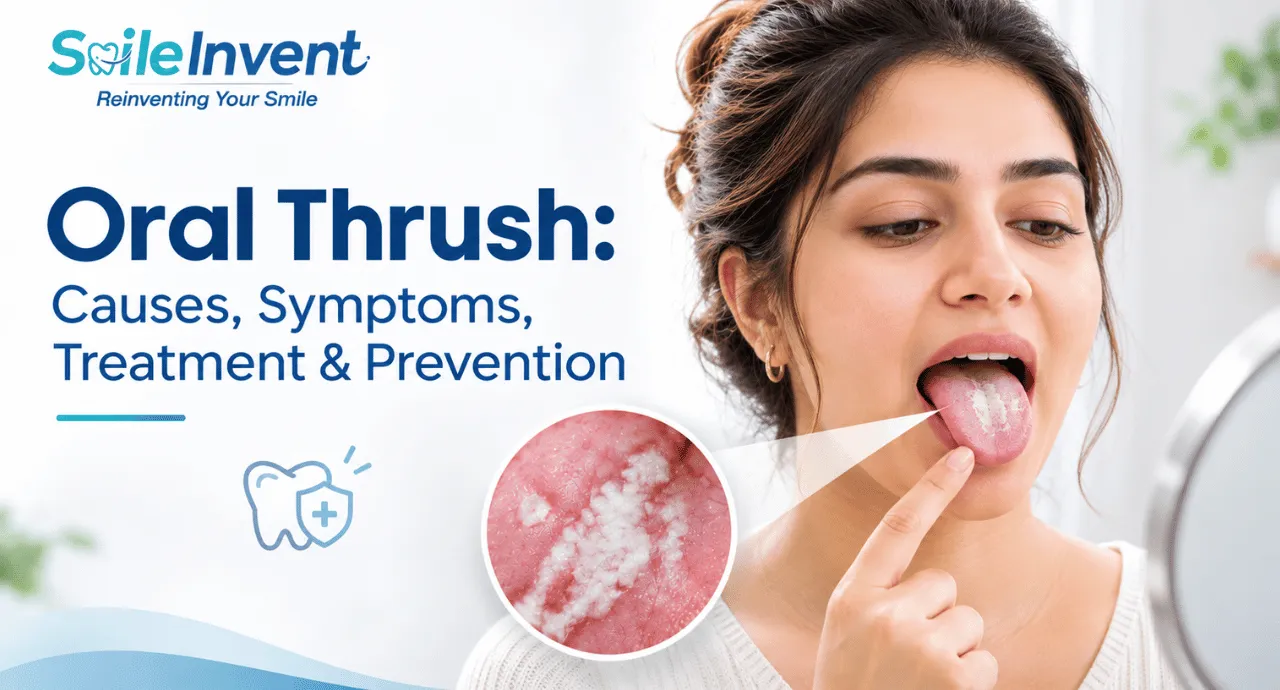
Oral thrush usually appears as creamy white or pale patches inside the mouth. These patches can develop on the tongue, inner cheeks, gums, roof of the mouth, tonsils or back of the throat. They may look slightly raised and have a soft, creamy texture. In some cases, the patches resemble leftover milk or cottage cheese, but they do not simply disappear by rinsing the mouth with water.
One common feature of oral thrush is that the white patches may come away when gently wiped by a healthcare professional. The skin underneath can look red, irritated or sore and may bleed slightly. Some people also notice redness without obvious white patches, along with a burning sensation or discomfort while eating. In denture users, redness and soreness may appear mainly on the gums beneath the dentures.
Oral thrush can look different from one person to another. Not every white coating on the tongue is caused by a fungal infection. Conditions such as a coated tongue and other oral health problems can produce similar changes. Avoid scraping the patches forcefully or trying to diagnose the condition yourself. A dentist can examine your mouth and determine whether the patches are caused by oral thrush or another condition.
How Is Oral Thrush Diagnosed?
Oral thrush is usually diagnosed through a physical examination of the mouth. A dentist or doctor will check the tongue, inner cheeks, gums and roof of the mouth for white patches, redness, soreness or other signs of infection. They may also ask about your symptoms, medical history, recent antibiotic use, steroid inhalers and any health conditions that could increase the risk of a fungal infection.
In many cases, the appearance of the affected areas is enough to help identify oral thrush. If the diagnosis is not clear, the dentist or doctor may gently collect a small sample from the affected area and send it for laboratory testing to check for Candida. This can help distinguish oral thrush from other conditions that cause similar white patches inside the mouth.
If the infection keeps returning or does not improve with treatment, further tests may be recommended to look for an underlying cause, such as uncontrolled diabetes or a weakened immune system. Finding the reason behind recurring oral thrush helps the healthcare professional decide on the right treatment.
What Is the Best Treatment for Oral Thrush?
The best treatment for oral thrush depends on the severity of the infection, the person's age and overall health. Since oral thrush is caused by an overgrowth of Candida yeast, dentists or doctors usually recommend antifungal medicines to control the infection. These medicines help stop the growth of the fungus and clear the affected areas inside the mouth.
Common treatment options include:
1. Antifungal Oral Gel:
Antifungal gels may be prescribed for mild cases of oral thrush. They are applied inside the mouth to treat the affected areas. Use them only as directed by your dentist or doctor.
2. Antifungal Mouthwash or Liquid Medicine:
Some antifungal medicines are available in liquid form. They are used inside the mouth to treat the infection, depending on the prescribed medicine.
3. Antifungal Tablets or Capsules:
For more severe infections, recurring oral thrush or cases where topical treatment is not suitable, a doctor may prescribe oral antifungal medicines. These work through the body to control the fungal infection.
4. Treatment of Underlying Health Conditions:
If oral thrush is linked to uncontrolled diabetes, dry mouth or another health condition, managing that problem is also important. Your healthcare professional may review your medicines or suggest other steps to reduce the risk of recurrence.
Along with medication, maintaining good oral hygiene can support recovery. Clean your teeth and tongue gently, keep dentures clean and remove them at night. If you use a steroid inhaler, rinse your mouth with water after each use and spit it out. Avoid stopping prescribed medicines without speaking to your doctor.
How Long Does Oral Thrush Take to Heal?
Oral thrush usually starts improving within a few days after starting the right antifungal treatment. In many people with a healthy immune system, the infection clears within 1 to 2 weeks. The exact healing time can vary depending on the severity of the infection, the person's overall health and whether the underlying cause is being managed.
Some people may notice that the white patches and soreness begin to reduce before the infection has completely cleared. It is important to follow the treatment instructions given by your dentist or doctor and complete the recommended course, even if your mouth starts feeling better. Stopping treatment too early may allow the infection to return.
Factors That Can Affect Healing Time
Severity of the infection: More severe infections may take longer to respond to treatment.
Immune system health: People with weakened immunity may need longer treatment and closer medical supervision.
Underlying health conditions: Uncontrolled diabetes and other health conditions can affect recovery.
Medication use: Certain antibiotics and steroid medicines may contribute to Candida overgrowth if the underlying issue is not addressed.
If your symptoms do not improve after about a week of treatment, or if they become worse, consult your dentist or doctor. Recurring oral thrush also needs further evaluation to identify the possible cause.
Can Oral Thrush Be Prevented?
Yes, you can reduce the risk of oral thrush by maintaining good oral hygiene and taking care of your mouth every day. Since Candida naturally lives in the mouth, the aim is to prevent its excessive growth. Simple habits such as brushing regularly, cleaning dentures properly and keeping your mouth clean can help maintain a healthy balance of microorganisms.
Here are some practical ways to help prevent oral thrush:
1. Brush Your Teeth Twice a Day: Use a soft toothbrush and fluoride toothpaste to clean your teeth regularly. Clean your tongue gently as part of your daily oral care routine.
2. Maintain Proper Denture Hygiene: If you wear dentures, clean them every day and remove them before going to bed. Make sure they fit properly and do not cause irritation to your gums.
3. Rinse Your Mouth After Using an Inhaler: If you use a steroid inhaler, rinse your mouth with water and spit it out after each use. This helps remove any medicine left inside your mouth.
4. Keep Your Mouth Moist: Drink enough water throughout the day. If you frequently experience dry mouth, speak to your dentist about ways to manage it.
5. Manage Diabetes: If you have diabetes, keeping your blood sugar levels under control can help reduce the risk of fungal infections.
6. Avoid Smoking and Tobacco: Smoking can increase the risk of oral thrush and affect your overall oral health. Avoiding tobacco can help protect your mouth.
7. Visit Your Dentist Regularly: Regular dental checkups can help identify oral health problems early. This is especially useful if you wear dentures or have a medical condition that increases your risk of oral thrush.
These habits can lower your chances of developing oral thrush, but they cannot prevent every infection. If you notice unusual white patches, mouth soreness or a burning sensation, get your mouth examined rather than trying to treat it yourself.
When Should You See a Dentist for Oral Thrush?
White patches or soreness inside the mouth should not be ignored, especially when they continue for several days or cause discomfort while eating and drinking. Oral thrush is usually treatable, but similar symptoms can occur with other oral health conditions. A dental examination can help identify the actual cause and determine whether antifungal treatment is needed.
You should consult a dentist or doctor if you notice any of the following signs:
1. White Patches That Do Not Go Away
If you notice creamy white patches on your tongue, inner cheeks or roof of your mouth that remain for several days, get them examined. They may be caused by oral thrush or another mouth condition.
2. Persistent Mouth Pain or Burning
A burning sensation, soreness or redness inside the mouth can make everyday activities uncomfortable. If these symptoms continue or become worse, seek professional advice.
3. Difficulty Eating or Drinking
Oral thrush can make chewing and swallowing uncomfortable. If mouth soreness is affecting your ability to eat or drink normally, arrange a medical or dental assessment.
4. Pain or Difficulty While Swallowing
Painful swallowing or a feeling that food is getting stuck in your throat needs medical attention. It may indicate that the infection has affected areas beyond the mouth.
5. Oral Thrush That Keeps Returning
If the infection comes back after treatment, your dentist or doctor may need to check for underlying causes such as diabetes, reduced immunity or medication related issues.
6. No Improvement After Treatment
If your symptoms do not improve after about one week of treatment, consult your healthcare professional again. You may need a review of the diagnosis or treatment plan.
People with weakened immunity, those undergoing cancer treatment and babies with suspected oral thrush should seek professional advice promptly. Do not try to scrape away white patches forcefully or use antifungal medicines without appropriate guidance.
Oral Thrush Treatment at Smile Invent Dental Clinic
Oral thrush can cause white patches, mouth soreness and a burning sensation that may make eating or drinking uncomfortable. Getting the right diagnosis is the first step towards managing the infection. At Smile Invent Dental Clinic, Bandra East, patients can seek dental evaluation for unusual patches, irritation and other oral health concerns.
During a dental examination, the dentist checks the tongue, inner cheeks, gums and other areas of the mouth for signs of infection. Based on the findings, you may be advised to consult a doctor for antifungal medication or further medical evaluation, depending on your symptoms and health history. If the infection keeps returning, identifying possible contributing factors is also important.
If you are searching for a dentist in Mumbai to evaluate white patches or persistent discomfort inside your mouth, Smile Invent Dental Clinic can help assess your oral health and guide you on the next steps. Do not ignore recurring symptoms or try to remove the patches by force. Timely professional advice can help you get the right care.
FAQs
Based on the reference articles you shared and commonly searched questions, these FAQs cover additional search queries without repeating the main blog sections.
1. Is Oral Thrush Contagious?
Oral thrush in adults is generally not considered contagious because Candida naturally lives in the mouth. It usually develops due to an imbalance in the body's natural microorganisms. In certain situations, such as breastfeeding, yeast can pass between a mother and baby, so both may need medical assessment.
2. Can Oral Thrush Go Away on Its Own?
Mild oral thrush may sometimes improve when the triggering factor is removed. But it can also persist or become worse without proper care. Antifungal treatment is commonly recommended to clear the infection, so consult a healthcare professional if you notice symptoms.
3. How Can You Tell the Difference Between Oral Thrush and Milk Residue?
Milk residue in babies usually comes off easily, while oral thrush patches may remain attached and leave red, irritated areas underneath when removed. If you are unsure, have your baby's mouth examined by a healthcare professional.
4. Can Adults Get Oral Thrush?
Yes. Oral thrush can affect adults of any age, but the risk is higher among older adults, people with diabetes, denture users and those with weakened immunity. Certain medications, including antibiotics and steroid inhalers, can also increase the risk.
5. Does Oral Thrush Cause a Burning Sensation?
Yes. Oral thrush can cause a burning or painful sensation on the tongue and inside the mouth. Some people also experience redness, an unpleasant taste and discomfort while eating or drinking.
6. Can Oral Thrush Spread to the Throat?
Yes. Candida can affect areas beyond the mouth, including the throat and food pipe. If you experience painful swallowing, difficulty swallowing or a feeling that food is getting stuck, seek medical attention.
7. What Foods Should You Avoid During Oral Thrush?
If your mouth is sore, spicy, acidic and very hot foods may increase irritation. Choose foods that are soft and comfortable to eat, and drink enough water. These changes may help reduce discomfort, but they do not replace antifungal treatment.
8. Can Oral Thrush Come Back After Treatment?
Yes. Oral thrush can return, especially if the underlying cause has not been addressed. Poorly cleaned dentures, uncontrolled diabetes, dry mouth and continued use of certain medications may increase the risk. Recurring infections should be evaluated by a healthcare professional.
Conclusion
Oral thrush is a common fungal infection that can affect babies, children and adults. It develops when Candida yeast grows more than usual inside the mouth. White patches, soreness, a burning sensation and changes in taste are some of the signs to watch for. Although the infection is usually treatable, it is important to identify the cause and follow the right treatment.
Maintaining good oral hygiene, cleaning dentures properly, managing dry mouth and keeping health conditions such as diabetes under control can help reduce the risk of oral thrush. If you notice persistent white patches, mouth pain or recurring symptoms, consult a dental professional instead of trying to treat the infection yourself.
If you are looking for a dentist in Mumbai, Smile Invent Dental Clinic in Bandra East can help assess your oral health and guide you towards the right care. Take care of your mouth today for a healthier and more comfortable smile.
This article is general information, not a diagnosis. For advice about your own teeth, book a consultation.