
Table of Contents
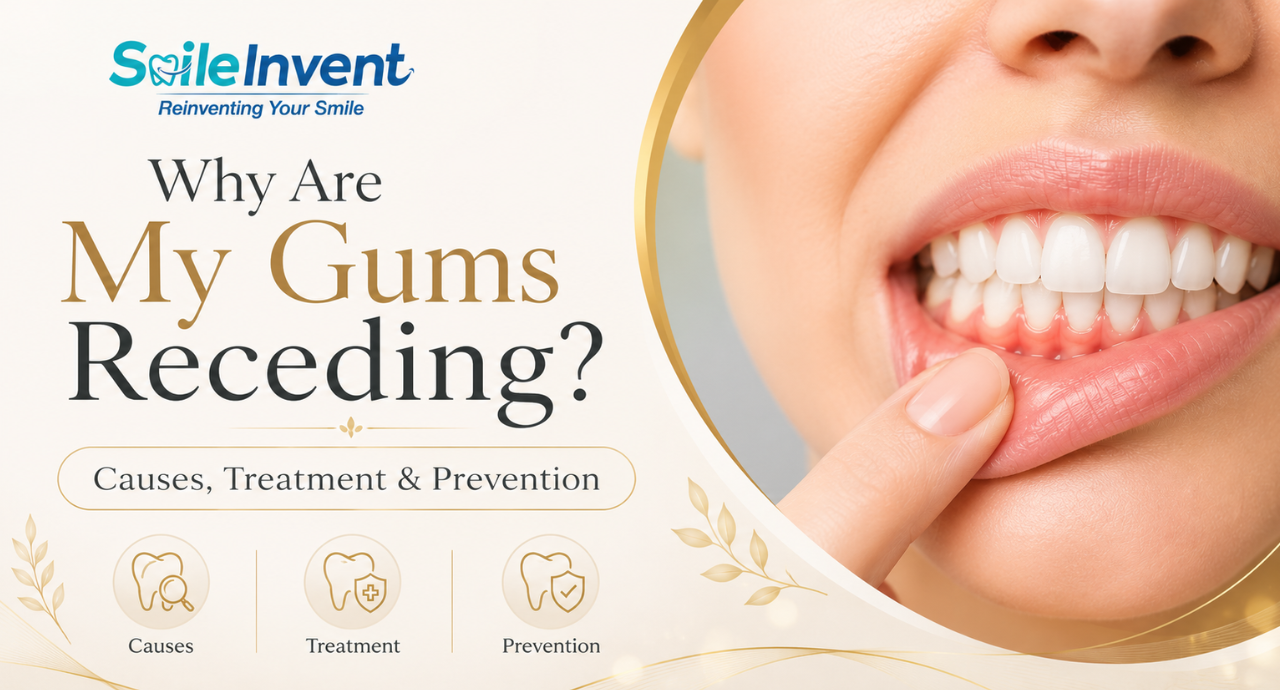
Have you noticed your teeth looking longer than before or felt a sharp pain while drinking something cold? These can be early signs of receding gums, a common dental problem that many people ignore until it becomes serious. Gum recession happens when the gum tissue around your teeth slowly moves back, exposing more of the tooth or even its root. This can lead to tooth sensitivity, cavities near the roots, and in severe cases, tooth loss if left untreated.
Many people think receding gums are a natural part of aging, but that is not always true. Poor oral hygiene, gum disease, brushing too hard, smoking, and even genetics can cause your gums to pull away from your teeth. The good news is that early care can slow down or stop the problem. In this guide, you will learn what causes receding gums, the symptoms to watch for, how to fix receding gums, available gum recession treatment options, and simple ways to keep your gums healthy for years to come.
Your gums are meant to fit snugly around your teeth and protect the roots beneath them. When the gum tissue starts moving away from the teeth, it is called receding gums or a receding gum line. As the gums pull back, more of the tooth becomes visible, and in many cases, the tooth root is exposed. Since the root does not have the same protective enamel as the crown of the tooth, it becomes more sensitive to hot, cold, sweet, or acidic foods and drinks. If you are experiencing discomfort after a dental procedure, you can also read our guide on Tooth Sensitivity After Filling.
Gum recession usually happens slowly, so many people do not notice it in the early stages. You may first feel slight tooth sensitivity or notice that one or more teeth look longer than before. In some cases, there may also be small gaps between the teeth and gums where plaque and bacteria can collect. If these signs are ignored, the condition can get worse over time and affect the bone and tissues that support your teeth. Learn more about other common dental problems and how to prevent them to understand why early diagnosis is important.
Receding gums can happen for many reasons, and in some people, more than one factor may be responsible. The most common cause is gum disease, where bacteria build up around the teeth and damage the gum tissue over time. Poor oral hygiene allows plaque and tartar to collect along the gum line, which can lead to inflammation and cause the gums to slowly pull away from the teeth. Brushing too hard or using a hard bristled toothbrush can also wear down the gum tissue, especially if it continues for years.
Certain habits and health conditions can also increase the risk of gum recession. Smoking or chewing tobacco affects blood flow to the gums and makes it harder for them to heal. Teeth grinding or jaw clenching puts extra pressure on the teeth and supporting tissues. Crooked teeth or an uneven bite may place stress on certain areas of the gums, causing them to recede. Some people are also more likely to develop a receding gum line because of genetics or hormonal changes during pregnancy or menopause.
The signs of receding gums often appear gradually, which is why many people do not notice the problem until it becomes more serious. One of the first things you may observe is that your teeth look longer than they used to. You might also feel a sharp pain when eating or drinking something hot, cold, or sweet because the exposed tooth root is more sensitive than the enamel. Some people notice that their gums are pulling away from their teeth, creating small spaces where food and bacteria can get trapped.
As gum recession progresses, you may experience bleeding while brushing or flossing, swollen or tender gums, and persistent bad breath. In advanced cases, teeth may start feeling loose because the supporting gum tissue and bone have been affected. If you notice any of these symptoms, it is best to visit a dentist as early as possible. Early treatment can prevent further damage and improve your long term oral health.
Anyone can develop receding gums, but some people have a higher risk than others. Adults are more likely to experience gum recession as they get older because the gums naturally become more vulnerable over time. People with poor oral hygiene or untreated gum disease are also at greater risk. If plaque and tartar remain on the teeth for a long time, they can irritate the gums and cause them to pull away from the teeth.
Lifestyle habits and certain health conditions can also make gum recession more likely. Smoking or using tobacco products weakens the gums and slows healing. People who grind or clench their teeth may place extra pressure on the gums, leading to recession. Diabetes, hormonal changes, and a family history of gum disease can also increase the chances of developing a receding gum line. Knowing these risk factors can help you take the right steps to protect your gums before the problem becomes severe.
A dentist can usually identify receding gums during a routine dental checkup. The examination is simple and painless. Your dentist will look at your gums to see if they have pulled away from the teeth, check for signs of inflammation, and look for plaque or tartar buildup. They will also ask about symptoms such as tooth sensitivity, bleeding gums, or changes you have noticed in your smile.
Finding the exact cause is just as important as confirming the diagnosis. Gum recession can develop because of gum disease, aggressive brushing, teeth grinding, or other factors. Once your dentist understands what is causing the problem, they can recommend the most suitable gum recession treatment to protect your gums and prevent further damage.
Your dentist will use a small measuring tool called a periodontal probe to check the space between your teeth and gums. Healthy gums have shallow pockets, while deeper pockets may indicate gum disease or tissue damage.
If the gums have receded, part of the tooth root may be exposed. Your dentist will examine these areas for sensitivity, decay, or signs of wear.
If bone loss is suspected, dental X rays may be taken to evaluate the health of the bone supporting your teeth. This helps determine the severity of the condition and guides the treatment plan.
Your dentist may also discuss your brushing habits, tobacco use, medical history, and any teeth grinding or clenching. These details help identify the underlying cause and reduce the chances of the problem returning after treatment.
The right treatment for receding gums depends on what caused the problem and how severe it is. Mild cases can often be managed with professional cleaning and better oral hygiene, while advanced cases may need specialized dental procedures. Getting treatment early is the best way to stop the recession from getting worse and protect your teeth from long term damage.
Many people search for how to fix receding gums, hoping there is a quick home remedy. While good oral care can help prevent further damage, gums that have already receded usually do not grow back on their own. A dentist can recommend the most suitable treatment after examining your gums and identifying the underlying cause.
If gum recession is detected early, your dentist may recommend a professional cleaning to remove plaque and tartar from the teeth. This reduces irritation and helps the gums stay healthy.
When gum disease is the cause, scaling and root planing is often the first line of treatment. This deep cleaning procedure removes bacteria and tartar from below the gum line and smooths the tooth roots, making it easier for the gums to heal and reattach.
If a large part of the tooth root is exposed, a gum graft may be recommended. During this procedure, healthy tissue is placed over the affected area to cover the exposed root, reduce sensitivity, and improve the appearance of the gum line.
Treatment is not just about repairing the gums. Your dentist may also recommend changes such as using a soft bristled toothbrush, improving your brushing technique, wearing a night guard if you grind your teeth, or correcting bite problems. Addressing the root cause helps prevent the gums from receding further.
Not everyone with receding gums needs surgery. Many mild to moderate cases can be treated with professional cleaning, scaling and root planing, and better oral care. Surgery is usually recommended when a significant amount of gum tissue has been lost, the tooth roots are exposed, or the gums cannot heal on their own with non surgical treatment.
There are different types of receding gums surgery, and the right option depends on the extent of gum recession and your overall oral health. Your dentist or periodontist will examine your gums and recommend the procedure that offers the best long term results.
Most people can return to their normal routine within a few days, although complete healing may take several weeks depending on the procedure. Your dentist may recommend eating soft foods, avoiding smoking, brushing gently around the treated area, and attending follow up visits to ensure proper healing.
This is one of the most common questions dentists hear, and the short answer is no. Once gum tissue has receded, it does not grow back naturally. Home remedies, herbal products, or special toothpastes cannot restore lost gum tissue. They may reduce inflammation, improve gum health, or ease tooth sensitivity, but they cannot reverse an existing receding gum line.
The good news is that early treatment can stop the recession from getting worse. Professional dental care, good oral hygiene, and regular checkups can help protect the remaining gum tissue and keep your teeth healthy. If a large portion of the gum has already receded, your dentist may recommend a suitable gum recession treatment, such as a gum graft, to cover the exposed roots and improve both function and appearance.
Many people ignore the early signs of receding gums because the changes happen slowly and are often painless. Waiting too long can allow the problem to progress, increasing the risk of tooth sensitivity, decay around the exposed roots, gum disease, and even tooth loss. Visiting a dentist as soon as you notice changes in your gums gives you the best chance of protecting your teeth and avoiding more complex treatments.
You should not wait for severe pain before scheduling a dental visit. If you notice your gums pulling away from your teeth, increased tooth sensitivity, or your teeth appearing longer than before, it is a good idea to get them checked. Early diagnosis and the right treatment can stop gum recession from getting worse and help maintain your long term oral health.
At Smile Invent, we understand that no two cases of receding gums are the same. Our dentists take the time to identify the underlying cause of your gum recession before recommending a treatment plan. Whether the problem is caused by gum disease, aggressive brushing, teeth grinding, or another factor, we focus on treating the root cause and helping you maintain healthy gums for the long term.
If you are looking for a trusted dentist in Mumbai for gum recession treatment, Smile Invent offers personalized care using modern diagnostic techniques and advanced treatment options. Depending on the severity of your condition, your treatment may include professional teeth cleaning, scaling and root planing, or other procedures to restore your gum health. If surgery is required, our team will explain every step of the process and ensure you feel comfortable throughout your treatment.
Our care does not end after the procedure. We also educate you on proper brushing techniques, daily oral hygiene, and preventive care to reduce the risk of future gum recession. Our goal is to protect your oral health, preserve your natural teeth, and help you enjoy a healthy, confident smile for years to come.
Gums can recede quickly due to advanced gum disease, aggressive brushing, smoking, teeth grinding, poor oral hygiene, or untreated dental problems. A dental examination can help identify the exact cause.
Brush gently with a soft bristled toothbrush, floss daily, avoid tobacco, and visit your dentist regularly. Treating gum disease early can also help prevent further gum recession.
Ignoring the problem is one of the worst things you can do. Delaying treatment can allow gum recession to worsen, increasing the risk of tooth sensitivity, root decay, and even tooth loss.
The treatment depends on the cause and severity of the condition. Mild cases may need professional cleaning, while advanced cases may require scaling and root planing or gum graft surgery.
Yes. Early treatment, good oral hygiene, and regular dental checkups can help prevent further gum recession.
Yes. Exposed tooth roots caused by gum recession often make teeth more sensitive to hot, cold, or sweet foods and drinks.
If you have been asking yourself, Why are my gums receding?, the answer could be anything from gum disease and aggressive brushing to teeth grinding, smoking, or genetics. The good news is that early diagnosis and the right treatment can help stop gum recession from getting worse and protect your teeth from long term damage.
Paying attention to the early signs, maintaining good oral hygiene, and visiting your dentist regularly can make a big difference in your gum health. If you notice your gums pulling away from your teeth or experience tooth sensitivity, do not ignore it. At Smile Invent, our experienced dental team is here to diagnose the cause of your gum recession and recommend the most suitable treatment to help you maintain healthy gums and a confident smile.

Walk into any supermarket or pharmacy and you will find toothpast...
Read More
Wearing braces can make your daily brushing routine a little more...
Read More
Have you ever noticed a small white mark on your tooth while look...
Read More