

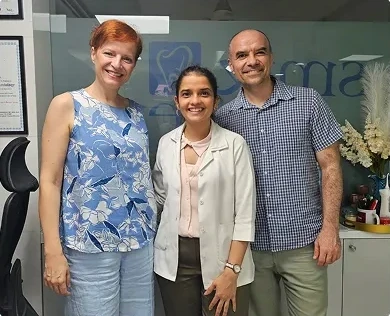
Highly recommend Dr. Arjun and Dr. Boskey! Clinic is clean, doctors are patient, and personalized follow-up care is excellent.Gaurav Garg Read patient reviews
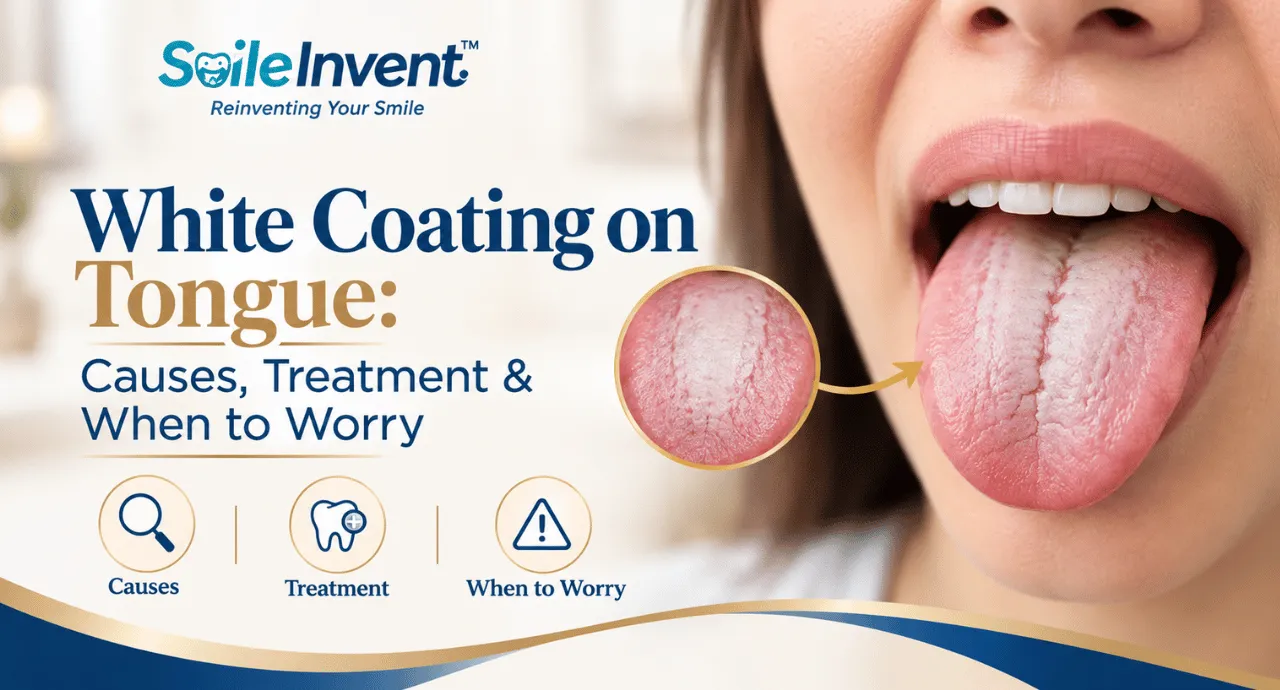 White Coating on Tongue: Causes, Treatment & When to Worry
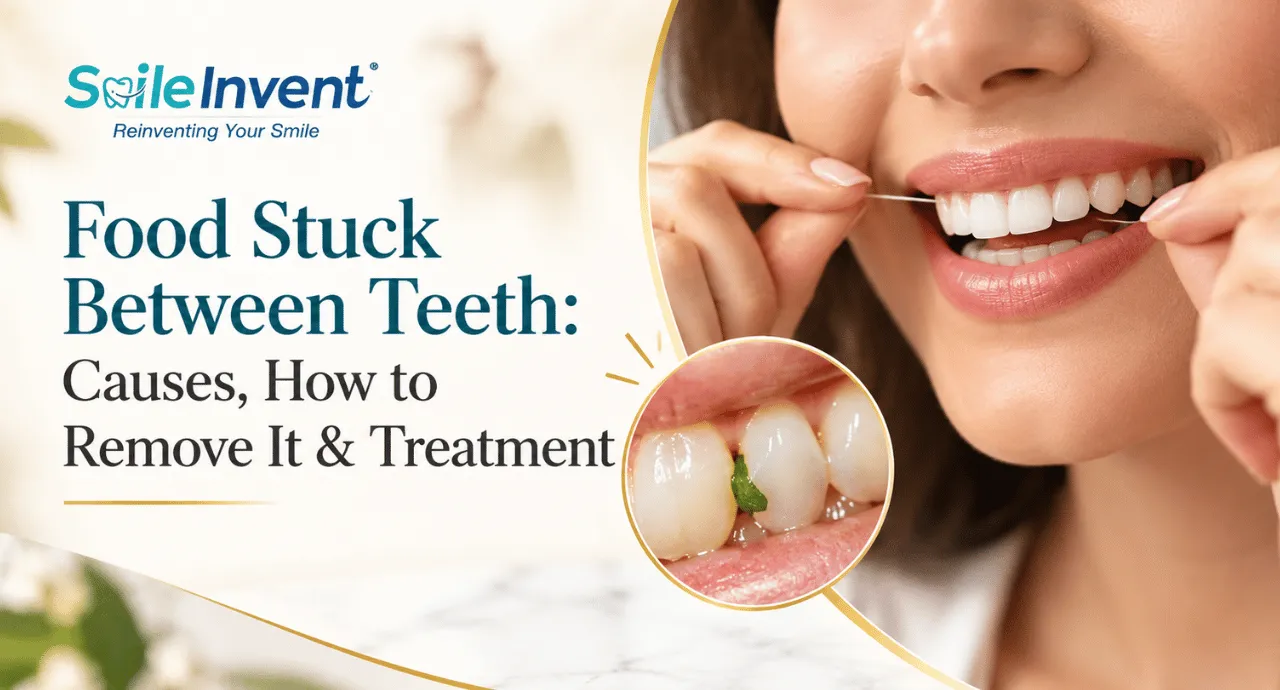 Food Stuck Between Teeth: Causes, How to Remove It & Treatment
All articles
Food Stuck Between Teeth: Causes, How to Remove It & Treatment
All articles
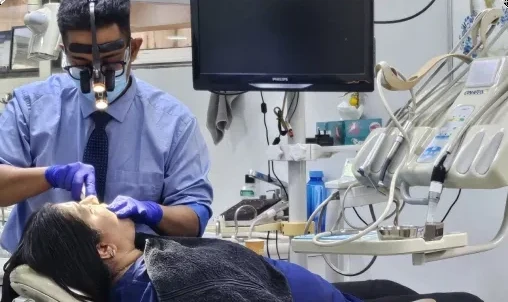 The clinic, our team and patient results
View gallery
The clinic, our team and patient results
View gallery
Restore Your Bite, Comfort & Smile with Complete Dental Care
If multiple dental issues like worn, damaged, or missing teeth are affecting your comfort or chewing, full mouth rehabilitation offers a complete solution. This treatment focuses on restoring your entire mouth - teeth, bite, and function in a planned and balanced way.
Book a Full Mouth Rehabilitation Consultation
Leave your name and number. Our team will call you back within 24 hours.
At Smile Invent Dental Clinic, our experienced dental team provides personalized full mouth dental rehabilitation in Bandra East using modern techniques to improve function, comfort, and long-term oral health.
When you have many dental problems at the same time, treating one tooth alone is not enough. Full mouth rehabilitation in Bandra East is meant for people who have worn, damaged, broken, or missing teeth along with chewing or bite problems.
This treatment looks at your entire mouth together - your teeth, bite, and jaw so everything works properly again. The aim is to help you eat comfortably, reduce pain, and protect your teeth for the long term.
At Smile Invent Dental Clinic, full mouth dental rehabilitation is carefully planned after checking your teeth, bite, and overall oral health. The treatment is explained in simple words, and only what is truly needed is done.
If daily eating or tooth problems are troubling you, full mouth rehabilitation can help restore comfort and confidence.
Full mouth rehabilitation is a complete dental treatment done when many teeth are damaged, worn out, or not working properly. Instead of fixing one tooth at a time, the dentist plans treatment for your whole mouth together.
This treatment helps to restore:
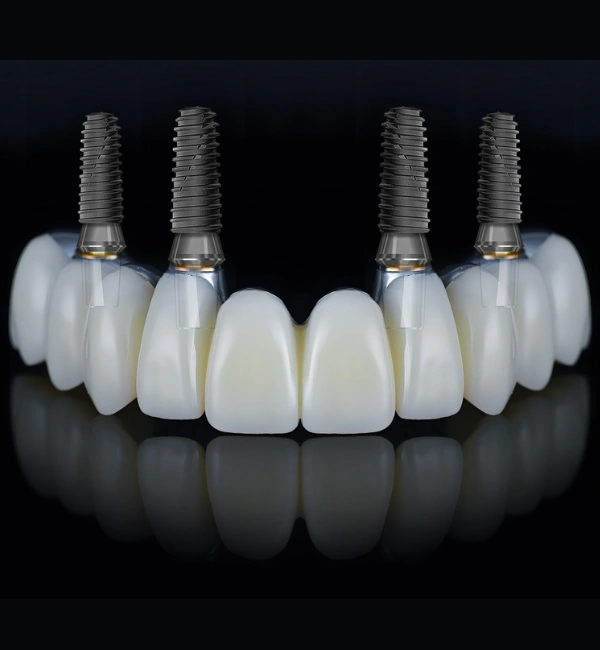
Depending on your dental condition, full mouth dental rehabilitation may include treatments like fillings, crowns, bridges, gum treatment, bite correction, or dental implants if needed. Not every patient needs the same procedures.
The main goal of full mouth rehabilitation is to make sure your teeth and jaw work well together so you can eat, speak, and smile comfortably again.
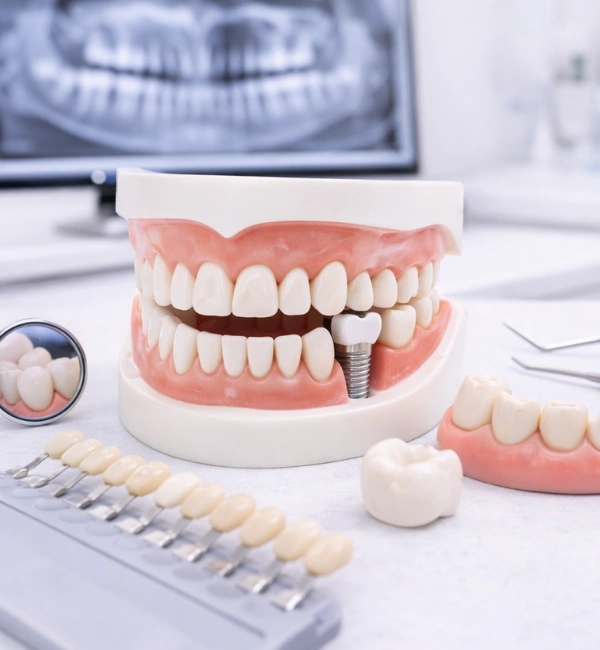
You may need full mouth rehabilitation if many dental problems are affecting your daily life. When teeth are damaged for a long time, the bite becomes uneven and the jaw has to work harder, which can cause pain and discomfort.
Full mouth rehabilitation is needed when:
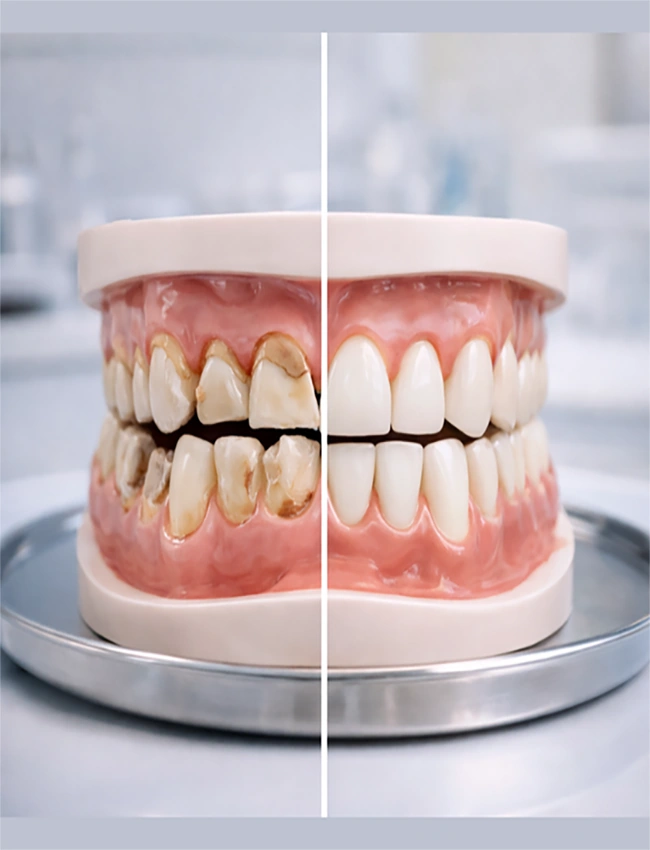
If these problems are not treated properly, they can get worse over time. Full mouth rehabilitation fixes the root cause instead of giving temporary relief. It helps restore comfort, improves chewing, and protects your teeth and jaw for the future.
Have a question about full mouth rehabilitation? Our dentists will explain your options and the cost before any treatment.
Full mouth rehabilitation is done in a planned and step-by-step manner. The exact treatment depends on your dental condition, but the process usually follows these stages:
Book a Full Mouth Rehabilitation ConsultationThe dentist examines your teeth, gums, and bite. X-rays or scans may be taken to understand the condition of your teeth and jaw.
Based on the findings, a personalized treatment plan is prepared. The dentist explains what treatments are needed, how long it may take, and answers your questions.
Any infections, gum issues, or damaged teeth are treated first. This helps create a healthy base for further treatment.
Crowns, bridges, fillings, bite correction, or dental implants (if required) are done to restore proper function and comfort.
The bite is checked and adjusted so chewing feels natural. Follow-up visits ensure everything heals and works properly.
Full mouth rehabilitation helps improve both dental health and daily comfort. The main benefits include:
Benefits of Full Mouth Rehabilitation:
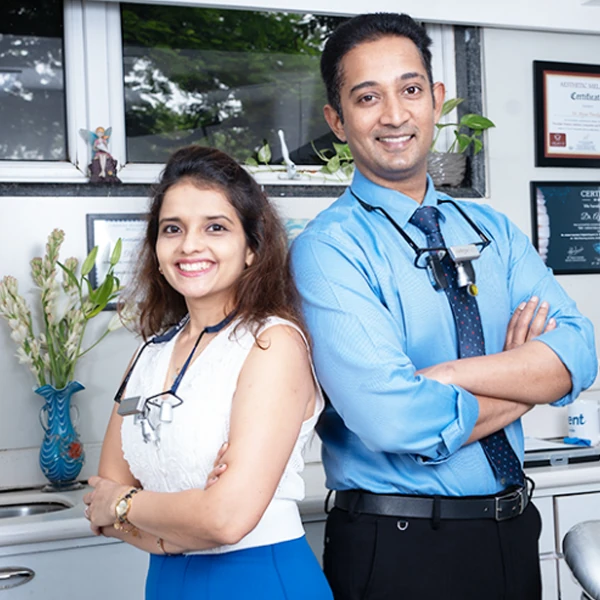
Full mouth rehabilitation requires experience, careful planning, and a clear understanding of how your teeth and bite work together. At Smile Invent Dental Clinic, we - Dr. Boskey Panikar and Dr. Arjun Panikar, personally handles full mouth rehabilitation cases.
We take time to examine your teeth, jaw, and bite thoroughly before starting treatment. Every step is explained in simple words, so you feel confident and informed throughout the process.
Using modern dental techniques and high-quality materials, we focus on restoring comfort, function, and long-term stability, not just appearance. From your first consultation to follow-up visits, your care is guided with attention, safety, and honesty
Not sure which treatment you need? Send us a photo, X-ray or report on WhatsApp and our dentists will guide you on the next step.
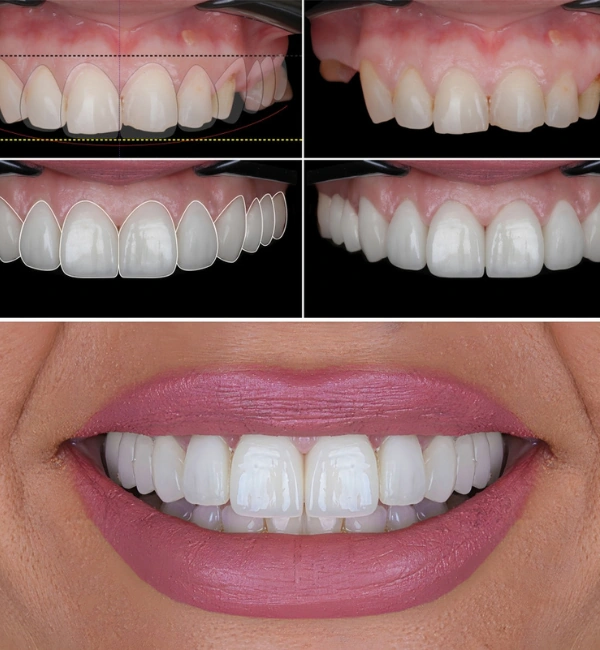
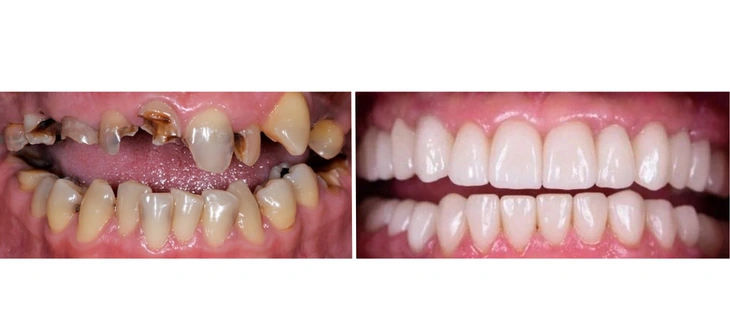
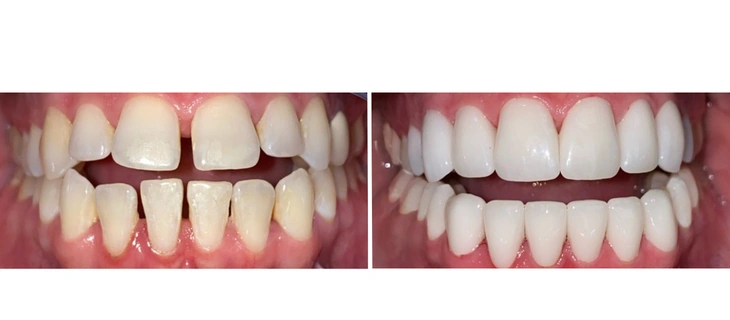
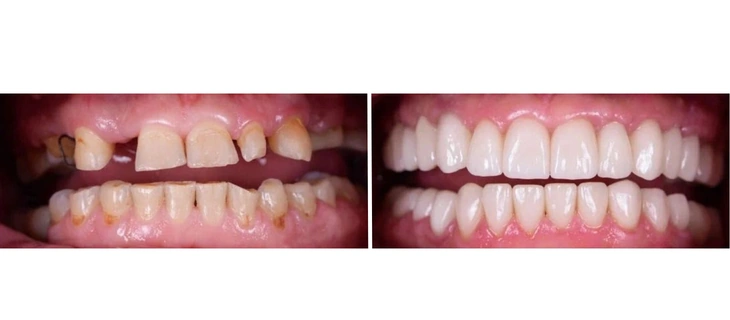
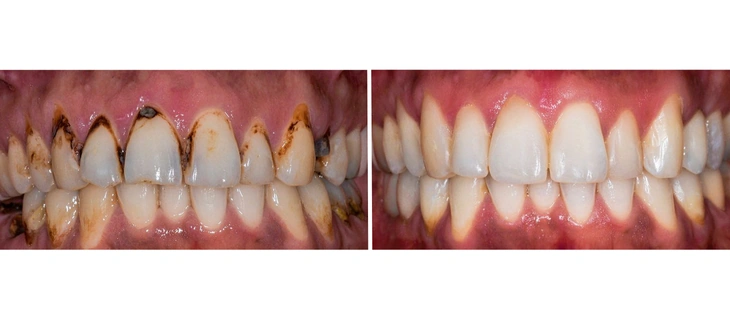
Full Mouth Rehabilitation cases treated at Smile Invent Dental Clinic.
Rated 4.9 from 267 Google reviews.
I underwent full mouth rehabilitation at Smile Invent Dental Clinic and the experience was excellent. Dr. Arjun Panikar carefully evaluated my case and explained the entire treatment plan. The process was smooth and handled very professionally. My smile and bite feel completely restored now.
I visited Smile Invent Dental Clinic for full mouth rehabilitation and I’m very satisfied with the results. Dr. Arjun Panikar and Dr. Boskey Panikar guided me through every step of the treatment. The clinic is modern and the team is very supportive. My overall dental health has improved a lot.
My full mouth rehabilitation treatment at Smile Invent Dental Clinic was handled with great care. The doctors explained the procedures clearly and ensured I was comfortable throughout. The treatment was well planned and the results look very natural. I highly recommend the clinic.
I had a wonderful experience with my full mouth rehabilitation treatment at Smile Invent Dental Clinic. Dr. Arjun Panikar created a detailed treatment plan that restored my teeth and smile. The clinic is clean and well equipped. I’m very happy with the final outcome.
Have a question about Full Mouth Rehabilitation?
Your Healthy Smile Is Just One Appointment Away
Our experienced dental team provides gentle, personalized care using modern techniques.
Expert tips, treatment guides, and answers from our dental team.