
Table of Contents
Have you noticed a little blood when brushing or flossing your teeth? Many people ignore bleeding gums, thinking it is caused by brushing too hard or that it will go away on its own. While this can happen occasionally, gums that bleed regularly are often a sign that something is not right. It may be due to poor oral hygiene, plaque buildup, swollen gums, or an early stage of gum disease. Paying attention to these warning signs can help prevent more serious dental problems in the future.
The good news is that most cases of bleeding gums can be treated when the cause is identified early. Whether you have swollen bleeding gums, are looking for bleeding gums treatment, or want to know if simple home remedies for bleeding gums really work, this guide explains everything you need to know. You'll also learn when bleeding gums could be a sign of periodontal disease and when it's time to visit a dentist.
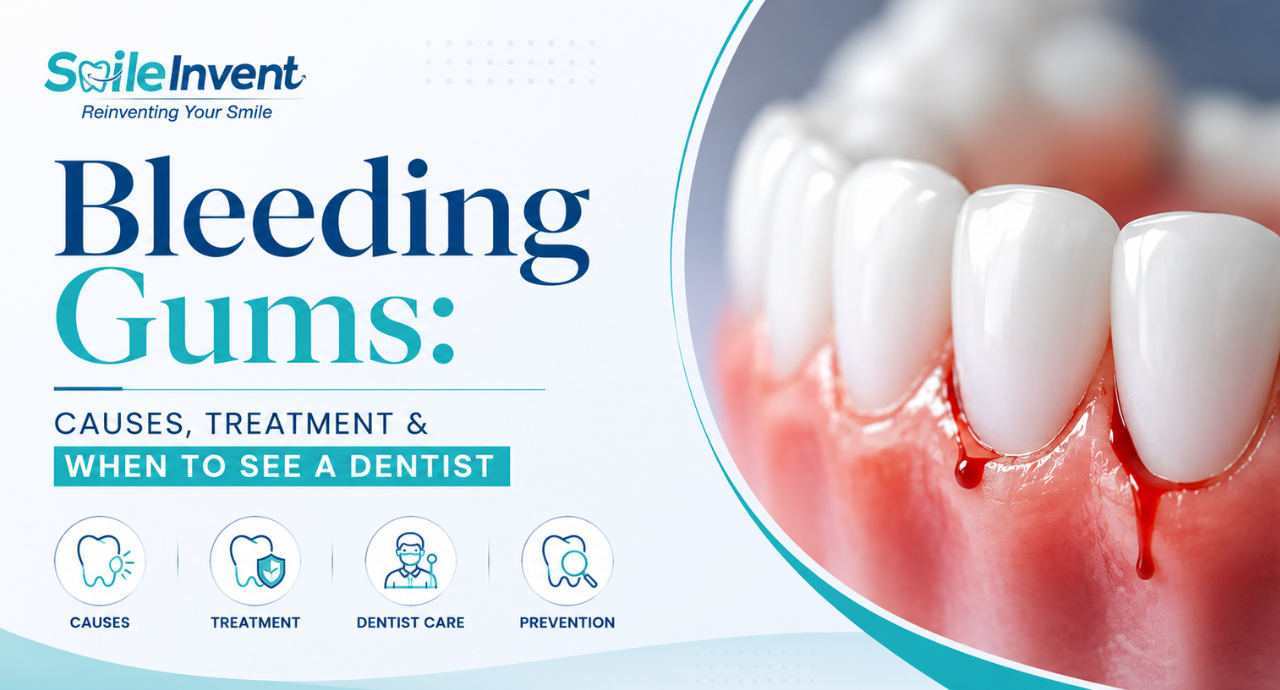
Bleeding gums are a common dental problem where the gums bleed during brushing, flossing, eating, or sometimes even without any obvious reason. Healthy gums should not bleed easily. If you notice blood in the sink after brushing or on your toothbrush regularly, it is usually a sign that your gums need attention rather than something to ignore.
In many cases, bleeding starts because plaque builds up along the gum line. This sticky layer of bacteria can irritate the gums, causing inflammation and making them more likely to bleed. If the plaque is not removed through good oral hygiene and professional dental care, the condition can progress and affect the tissues that support your teeth. That is why identifying the cause early is the first step toward protecting your gum health.
Bleeding gums can happen for many reasons. Sometimes the cause is as simple as brushing too hard, but in many cases, it is an early sign of gum disease or another oral health problem. Here are some of the most common bleeding gums causes.
Plaque is a sticky layer of bacteria that forms on your teeth every day. If it is not removed through brushing and flossing, it hardens into tartar. This irritates the gums, causing inflammation and bleeding, especially while brushing.
Gingivitis is the earliest stage of gum disease. It develops when plaque builds up along the gum line, making the gums red, swollen, and more likely to bleed. With timely treatment and good oral hygiene, gingivitis can usually be reversed.
If gingivitis is left untreated, it can progress to periodontal disease, a more advanced infection that affects the tissues and bone supporting your teeth. Along with bleeding gums, you may notice gum recession, loose teeth, or persistent bad breath.
Using a hard bristled toothbrush or applying too much pressure while brushing and flossing can injure the gums and cause bleeding. Using a soft toothbrush and gentle technique is usually recommended.
A lack of nutrients such as vitamin C or vitamin K can make your gums more sensitive and increase the chance of bleeding. Eating a balanced diet supports healthy gums and overall oral health.
Hormonal changes during pregnancy, puberty, menstruation, or menopause can make the gums more sensitive. During these times, some people may notice bleeding gums even with regular brushing.
Smoking weakens the body's ability to fight infection and slows down healing. It also increases the risk of gum disease, making bleeding gums more likely over time.
Some health conditions, including diabetes, and medications such as blood thinners can increase the risk of bleeding gums. If your gums bleed frequently without an obvious reason, it is worth discussing it with your dentist and doctor.
Bleeding gums are often accompanied by other signs that indicate your gums are unhealthy. You may notice mild symptoms at first, while others develop as the underlying problem progresses. Some people experience only occasional bleeding, whereas others may also have swelling, tenderness, or persistent bad breath. If these symptoms continue or keep coming back, it is a good idea to have your gums examined by a dentist.
Yes, they can be. Bleeding gums are often one of the earliest signs of periodontal disease, also known as advanced gum disease. It usually begins with gingivitis, where plaque and bacteria irritate the gums, causing redness, swelling, and bleeding. If gingivitis is not treated, the infection can spread deeper and affect the tissues and bone that support your teeth.
As periodontal disease progresses, the gums may start to pull away from the teeth, creating pockets where bacteria can collect. This can lead to persistent bad breath, loose teeth, gum recession, and even tooth loss in severe cases. The good news is that early diagnosis and treatment can help control the disease and protect your gums and teeth from further damage.
Diagnosing bleeding gums involves more than checking whether your gums bleed. Your dentist will look for signs of inflammation, gum disease, and other oral health problems to identify the underlying cause.
What to Expect During Your Dental Visit :
Your dentist will ask when the bleeding started, how often it happens, your brushing and flossing routine, and whether you have any medical conditions or take medications that may affect your gums.
The gums are checked for redness, swelling, tenderness, bleeding, and signs of infection. Your dentist will also look for plaque and tartar buildup around the teeth.
A small dental instrument is used to measure the space between your teeth and gums. Deeper pockets may indicate periodontal disease or damage to the supporting tissues.
If advanced gum disease is suspected, dental X rays may be recommended to check whether there has been any bone loss around the teeth.
Based on the findings, your dentist will explain the cause of your bleeding gums and recommend the most appropriate treatment to restore your gum health.
The right bleeding gums treatment depends on what is causing the problem. In many cases, early treatment can stop the bleeding, reduce inflammation, and prevent the condition from progressing to more serious gum disease.
Your dentist may also recommend using an antibacterial mouthwash, improving your brushing routine and flossing your teeth correctly to remove plaque from areas that a toothbrush cannot reach. Regular follow up visits allow your dentist to monitor your gum health and make sure the treatment is working. The earlier treatment begins, the better the chances of preventing long term damage to your gums and the tissues that support your teeth.
If your gums bleed occasionally, a few simple habits at home may help reduce irritation and support healing. These remedies can improve your gum health, but they cannot treat gum disease or other underlying dental problems. If the bleeding continues, it is important to have your gums examined by a dentist.
If your gums continue to bleed despite following these steps, or if you notice swelling, pain, or signs of infection, do not rely on home remedies alone. In some cases, untreated oral infections can spread deeper and may require more advanced dental procedures, such as Root Canal Treatment. Seeking professional care early can help prevent further complications and protect your oral health.
Keeping your gums healthy does not require complicated routines. A few consistent habits every day can reduce plaque buildup, lower the risk of gum disease, and keep your smile healthy for years.
Brush your teeth twice a day using a soft bristled toothbrush and clean between your teeth every day. These simple habits remove plaque before it irritates your gums and causes inflammation.
A balanced diet with fruits, vegetables, whole grains, and foods rich in vitamin C can help keep your gums healthy. Drinking enough water throughout the day also supports saliva production, which naturally helps protect your teeth and gums.
Even with good oral hygiene, plaque can harden into tartar in areas that are difficult to clean at home. Regular dental checkups and professional cleanings help remove these deposits and allow your dentist to spot gum problems before they become more serious.
Healthy gums should look pink, feel firm, and should not bleed during brushing or flossing. If you notice bleeding that continues or keeps returning, it is best to have it checked before it develops into a more serious condition.
Bleeding gums are often an early warning sign that should not be ignored. If the underlying cause is left untreated, the inflammation can worsen over time and progress from gingivitis to periodontal disease. As the infection spreads, it can damage the gums, the tissues that support your teeth, and even the jawbone.
Advanced gum disease may lead to gum recession, loose teeth, persistent bad breath, pain while chewing, and, in severe cases, tooth loss. Plaque and bacteria can also increase the risk of tooth decay, which may eventually require Dental Fillings to restore the affected teeth. Treating the problem in its early stages is usually simpler, more comfortable, and helps protect your long term oral health.
Occasional bleeding caused by brushing too hard may improve after changing your brushing technique. If the bleeding continues or is accompanied by other symptoms, it is best to schedule a dental checkup. Early diagnosis and treatment can prevent minor gum problems from becoming more serious.
You should visit a dentist if you notice:
If you are looking for a trusted dentist in Mumbai for bleeding gums or other gum problems, Smile Invent Dental Clinic is here to help. Our experienced dentists carefully examine your gums to identify the underlying cause and create a personalized treatment plan based on your oral health needs.
We provide comprehensive gum care, from professional teeth cleaning for early stage gum disease to advanced periodontal treatments for more serious conditions. Our team also guides you on the right brushing and flossing techniques and shares practical tips to help you maintain healthy gums at home.
At Smile Invent Dental Clinic, we combine modern technology with compassionate care to deliver comfortable and effective treatment. Whether you have occasional bleeding gums or symptoms of advanced gum disease, our goal is to restore your gum health and help you enjoy a healthy, confident smile.
Yes. Stress can weaken your immune system and make it harder for your body to fight plaque bacteria. This may increase the risk of gum inflammation and bleeding. Managing stress and maintaining good oral hygiene can help keep your gums healthy.
Yes, mild bleeding can occur when you first begin flossing regularly, especially if plaque has built up between your teeth. As your gums become healthier, the bleeding usually improves within a week or two. If it continues, visit your dentist for an evaluation.
Yes. Hormonal changes during pregnancy can make the gums more sensitive and prone to bleeding, a condition often called pregnancy gingivitis. Regular brushing, flossing, and dental checkups can help keep your gums healthy during pregnancy.
Yes. Some medicines, especially blood thinners, can make your gums bleed more easily. If you notice persistent bleeding after starting a new medication, speak with your dentist and your doctor. Do not stop taking prescribed medicines without medical advice.
A soft bristled toothbrush is usually the best choice for people with bleeding gums. It cleans your teeth effectively while being gentle on your gum tissue. Brushing with gentle pressure is just as important as choosing the right toothbrush.
Yes. While plaque buildup and gum disease are the most common causes, persistent bleeding gums can sometimes be linked to medical conditions such as diabetes, vitamin deficiencies, bleeding disorders, or hormonal changes. If the bleeding does not improve with good oral care, you should consult your dentist for a proper evaluation.
It often starts with something small. You notice a little blood while brushing and assume it will go away on its own. Days or weeks pass, and the bleeding continues. What seems like a minor problem could actually be your gums asking for attention.
Bleeding gums are usually an early warning sign that your gums need care. Taking action early can help prevent more serious problems such as periodontal disease, gum recession, and tooth loss. With good oral hygiene, regular dental checkups, and timely treatment, you can keep your gums healthy and protect your smile for years to come.
If your gums continue to bleed or you notice swelling, pain, or other unusual symptoms, do not ignore them. A timely dental examination can identify the cause and help you get the right treatment before the condition becomes more serious.

Walk into any supermarket or pharmacy and you will find toothpast...
Read More
Wearing braces can make your daily brushing routine a little more...
Read More
Have you ever noticed a small white mark on your tooth while look...
Read More