



- Home
- FAQs
Frequently Asked Questions
Answers from our dentists to the questions patients ask most about treatments, cost, comfort and booking.
General Questions
Can a cavity be reversed?
Yes, early-stage tooth decay (also called demineralization) can be reversed. At this stage, fluoride can help remineralize and strengthen the enamel, stopping further damage. However, once a cavity has formed and the enamel is broken, it cannot be reversed and needs professional treatment such as a filling or restoration by a dentist.
How many years does tooth filling last?
Tooth fillings usually last between 5 to 15 years, depending on the filling material, the tooth’s location, and your oral hygiene habits. Composite (tooth-colored) fillings typically last around 5 to 10 years, while amalgam or gold fillings can last 15 to 20 years or even longer with proper care.
Which filling is better, white or silver?
White fillings are often preferred for their natural appearance, making them an excellent option for visible teeth. On the other hand, amalgam fillings offer exceptional durability and are well-suited for back teeth that experience heavy chewing forces.
Is dentist teeth whitening worth it?
Long-Term Results. Between these two treatments, professional teeth whitening tends to have more effective long-term results, especially when paired with proper care. While at-home kits can brighten your smile, the results may fade faster and the need for touch-ups could be more frequent.
What is the difference between restorative and endodontics?
Both treatments aim to restore tooth structure, function, and appearance. However, restorative treatment focuses on repairing damage to the outer surface of the tooth, while endodontic treatment addresses problems within the tooth’s internal structure, such as the pulp or root canals.
Which dental treatments are available at Smile Invent Dental Clinic?
Smile Invent Dental Clinic offers a wide range of treatments including dental implants, braces, clear aligners, root canal treatment, teeth cleaning, teeth whitening, cosmetic dentistry, and pediatric dental care.
Do you offer same-day dental appointments in Bandra East, Mumbai?
Yes, we offer same-day dental appointments based on availability. We recommend calling or messaging us on WhatsApp for quick booking.
What is the cost of dental treatment in Mumbai?
The cost of dental treatment in Mumbai varies based on the procedure. Basic treatments like teeth cleaning are affordable, while advanced treatments like dental implants or braces may cost more. At Smile Invent, we provide transparent pricing after consultation.
How often should I visit a dentist?
It is recommended to visit a dentist every 6 months for regular check-ups and professional cleaning to maintain good oral health.
Implant Dentistry
About dental implants
Dental Implants
What is the right age for dental implants?
Dental implants are usually done after jaw growth is complete, which is around 18 years of age. There is no upper age limit. As long as your gums and jawbone are healthy, implants can be done even at an older age.
Are dental implants safe?
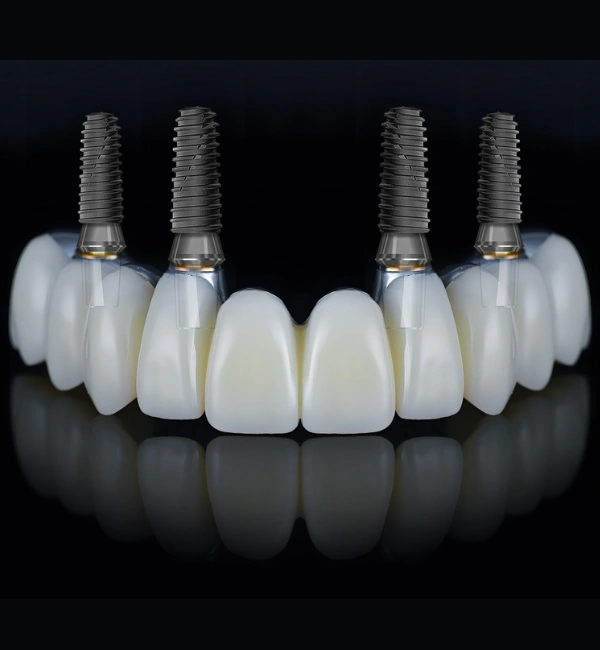
Yes, dental implants are safe and widely used. They are made from materials that are accepted by the body. When placed by an experienced dentist and cared for properly, implants are a reliable option for missing teeth.
Can dental implants fail?
Dental implant failure is rare, but it can happen in some cases. Poor oral hygiene, smoking, or health issues can affect healing. Regular dental visits and good daily care help reduce this risk.
How long do dental implants last?
With proper care, dental implants can last many years and often a lifetime. Brushing, flossing, and routine dental check-ups play a big role in keeping them strong.
How painful is getting a dental implant?
Most people feel little to no pain during the procedure because the area is numbed. Some mild soreness or swelling after the treatment is normal and settles in a few days with proper care.
Implant Dentistry
About full mouth dental implants
Full Mouth Dental Implants
Who is suitable for full mouth dental implants?
Full mouth dental implants are suitable for people who have lost most or all of their teeth and have healthy gums and enough jawbone. A consultation helps confirm if this treatment is right for you.
Is full mouth dental implant treatment painful?
The procedure is done under proper numbing, so pain is minimal. Some discomfort may be felt after the procedure, but it usually settles with medication and rest.
How long does the full mouth implant treatment take?
The total treatment time depends on healing and individual bone condition. It may take a few months from implant placement to final teeth fitting.
Are full mouth dental implants better than dentures?
Yes, implants are fixed and more stable than dentures. They feel more natural, make eating easier, and do not slip while speaking.
How long do full mouth dental implants last?
With good oral care and regular dental visits, full mouth dental implants can last many years and often a lifetime.
What is the cost of full mouth dental implants?
The cost varies based on the number of implants, type of teeth used, and individual case needs. During consultation, the cost is explained clearly based on your treatment plan.
Tooth Replacement
About full mouth rehabilitation
Full Mouth Rehabilitation
What does a full mouth reconstruction involve?
It involves treating all teeth together to restore proper bite, function, and comfort using suitable dental procedures.
How long does the full mouth reconstruction process take?
It usually takes a few weeks to a few months, depending on the dental condition and treatment plan.
What is recovery from full mouth reconstruction like?
Recovery is generally smooth, with mild discomfort that settles quickly.
Is a full mouth reconstruction painful?
No, it is done under anesthesia, so pain is minimal and manageable.
What are the risks of full mouth reconstruction?
Risks are low and may include temporary sensitivity or discomfort if aftercare is not followed.
Tooth Replacement
About dental bridges
Dental Bridges
How long will a dental bridge last?
A dental bridge usually lasts 10 to 15 years. With good oral care and regular dental check-ups, it can last even longer.
Is a bridge better than an implant?
Both options have their own benefits. A bridge is quicker and does not need surgery, while an implant is more permanent. The right choice depends on your oral condition and needs.
Which dental bridge is best?
There is no single best bridge for everyone. The best option depends on how many teeth are missing, the condition of nearby teeth, and your bite.
Do bridges feel like real teeth?
Yes, once fitted properly, dental bridges feel comfortable and function much like natural teeth during eating and speaking.
Is it possible to get a cavity under a bridge?
Yes, cavities can develop on the supporting teeth if oral hygiene is not maintained. Proper brushing, flossing, and regular dental visits help prevent this.
Tooth Replacement
About dentures
Dentures
Which type of denture is best?
There is no single “best” denture for everyone. The right type depends on how many teeth are missing, your gum health, and comfort needs. Complete, partial, or implant-supported dentures may be suggested after a dental check-up.
Why is it important to remove dentures at night?
Removing dentures at night gives your gums a chance to rest. It helps prevent soreness, infections, and keeps your mouth healthy.
Can one sleep with dentures on?
It is not advised to sleep with dentures every night. Wearing them for long hours can cause gum irritation. Your dentist may allow it for a short time after getting new dentures.
How are dentures made?
Dentures are made by taking impressions of your mouth. A model is prepared, and the denture is designed to match your bite and smile. A trial is done before placing the final denture.
How long do dentures last?
With proper care, dentures usually last 5 to 10 years. Over time, adjustments or replacement may be needed due to changes in gums or jaw shape.
How do you clean and care for dentures?
Clean dentures daily using a soft brush and denture cleaner. Avoid regular toothpaste as it can be harsh. Remove them at night, soak in clean water, and rinse before wearing again.
Restorative Dentistry
About root canal treatment
Root Canal Treatment
How long does a root canal last?
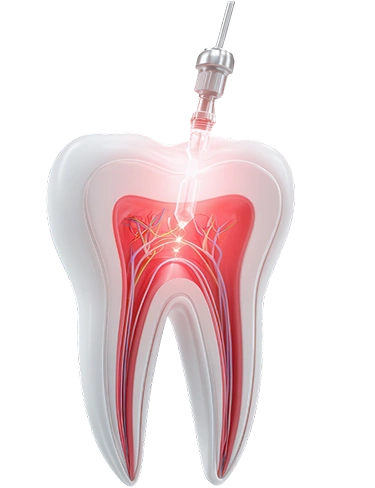
A root canal can last for many years. With good oral care and a crown, the tooth often lasts a lifetime.
What should not be done after a root canal?
Avoid chewing hard foods on the treated tooth until it is fully restored. Follow the dentist’s instructions and do not delay the crown if advised.
What are the risks of a root canal?
Root canal treatment is safe. Problems are rare and usually happen if aftercare is ignored or the tooth is not sealed properly.
How is a root canal done for kids?
For kids, the dentist treats the tooth gently and based on the child’s age and tooth condition. The aim is to remove infection and reduce pain safely.
How often should a root canal be replaced?
A root canal does not need replacement unless the tooth gets infected again. With proper care, retreatment is usually not needed.
Restorative Dentistry
About dental crowns
Dental Crowns
How long do crowns last on teeth?
Dental crowns usually last 10 to 15 years. With good oral hygiene and regular dental check-ups, they can last even longer.
Is it painful to get a crown?
No, getting a crown is not painful. The area is numbed during the procedure, so you may only feel mild pressure, not pain.
Do one need a dental crown after RCT?
In most cases, yes. A tooth becomes weak after root canal treatment, and a crown helps protect it from breaking.
What are alternatives to dental crowns?
For minor damage, fillings or onlays may be used. However, when a tooth is badly damaged, a crown is usually the best option.
Can poor oral hygiene ruin a dental crown?
Yes. Poor oral hygiene can cause decay around the crown edges and gum problems. Brushing, flossing, and regular check-ups help keep crowns in good condition.
Restorative Dentistry
About dental fillings
Dental Fillings
How long do fillings last in teeth?
Dental fillings usually last between 5 to 10 years. With good oral hygiene and regular dental check-ups, some fillings can last even longer.
Is dental filling a painful procedure?
No, dental filling is usually not painful. The area is numbed before the treatment, so you may only feel slight pressure, not pain.
Can I eat after a filling?
You can eat after the filling, but it’s best to wait for the numbness to wear off. Soft foods are recommended for the first few hours.
What are indirect fillings?
Indirect fillings are made outside the mouth and then fixed onto the tooth. They are often used when the tooth damage is larger and needs extra strength.
Can a dental filling fall off?
Yes, a filling can come loose due to wear, biting hard food, or decay around it. Regular dental visits help detect such issues early.
Which type of filling is best for teeth?
The best filling depends on the tooth position and damage. Tooth-coloured fillings are common for visible teeth, while stronger fillings are used for back teeth.
Cosmetic Dentistry
About cosmetic dentistry
Cosmetic Dentistry
What exactly is cosmetic dentistry?
Cosmetic dentistry helps improve how your teeth look. It fixes stains, gaps, chips, or uneven teeth to make your smile look better.
What is the scope of cosmetic dentistry?
It includes many treatments that improve the shape, colour, and overall look of teeth. Changes can be small or more noticeable, based on what you need.
What are the most common cosmetic dentistry procedures?
Common treatments include teeth whitening, fixing chipped teeth, closing small gaps, and tooth-coloured fillings.
How long do cosmetic dentistry procedures take?
Some treatments can be done in one visit. Others may need a few visits, depending on the treatment.
Are cosmetic dentistry procedures painful?
Most treatments are not painful. You may feel slight discomfort, but it usually goes away quickly.
How long do the results of cosmetic dentistry last?
Results can last a long time if you take good care of your teeth. Regular brushing and dental visits help maintain them.
Will my insurance cover cosmetic dentistry?
Most cosmetic treatments are not covered by insurance. Some may be covered if they are needed for dental health.
Cosmetic Dentistry
About teeth whitening
Teeth Whitening
Can yellow teeth be white again?
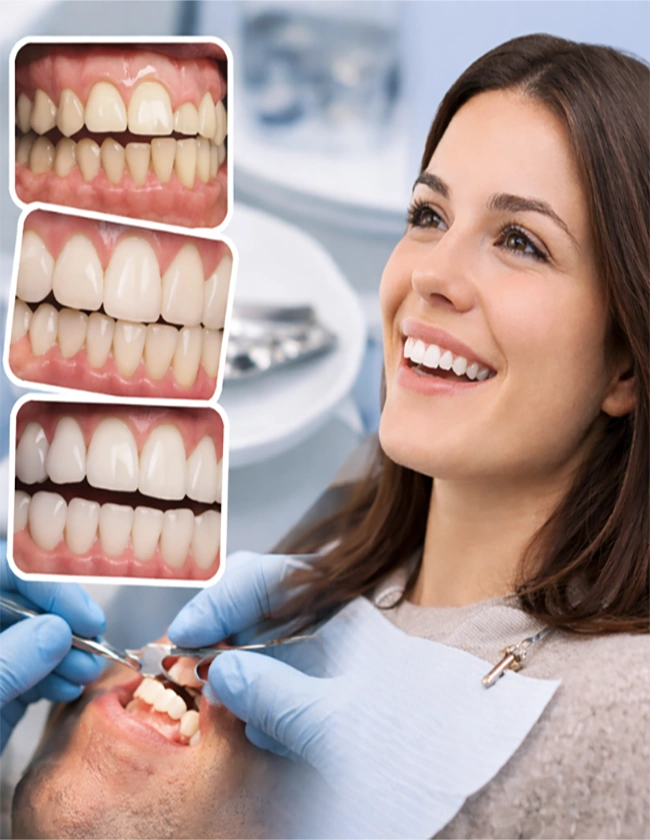
Yes, yellow teeth can become white again with professional teeth whitening. The treatment removes stains and improves the natural colour of your teeth, making your smile brighter.
What is the cost of teeth whitening in Mumbai?
The cost of teeth whitening in Mumbai depends on the type of treatment and the level of staining. Your dentist will explain the best option and the exact cost during your visit.
How long will the results last?
Teeth whitening results can last from a few months to over a year. This depends on your food habits, smoking, and how well you take care of your teeth.
Which treatment is best for teeth whitening?
Professional teeth whitening done at a dental clinic gives the best and safest results. Your dentist will suggest the right method based on your teeth condition.
Are there any negative side effects of teeth whitening?
Teeth whitening is safe when done by a dentist. Some people may feel mild sensitivity, but it usually goes away in a short time.
Cosmetic Dentistry
About dental veneers
Dental Veneers
How long do dental veneers last?
Dental veneers usually last 10 to 15 years. With good oral hygiene and regular dental check-ups, they can last even longer.
What happens to teeth under veneers?
The natural teeth remain under the veneers. A small amount of the front surface may be reshaped, but the tooth stays protected once the veneer is placed.
How should I take care of my veneers?
Brush and floss daily, avoid biting hard objects, and visit the dentist regularly. Good oral care helps keep veneers strong and clean.
Are veneers safe?
Yes, dental veneers are safe when placed by an experienced dentist. They are a well-established cosmetic treatment.
Can veneers replace missing teeth?
No, veneers cannot replace missing teeth. They are used to improve the appearance of existing teeth, not to fill gaps where teeth are missing.
Cosmetic Dentistry
About dental bonding
Dental Bonding
How long does dental bonding last?
Dental bonding usually lasts between 3 to 7 years. With good oral care and regular dental check-ups, it can last even longer.
Does dental bonding fix gaps?
Yes, dental bonding can close small gaps between teeth, especially in the front. It is a quick option for improving smile appearance.
What not to do after dental bonding?
Avoid biting hard foods, chewing ice, or opening packets with your teeth. It’s also best to limit coffee, tea, and smoking to prevent staining.
Why do my gums hurt after bonding?
Mild gum discomfort can happen if the gums were slightly irritated during the procedure. This usually settles within a day or two.
How long are teeth sensitive after bonding?
Some sensitivity to hot or cold may occur for a short time. It usually goes away within a few days.
Cosmetic Dentistry
About digital smile design
Digital Smile Design
How does DSD improve dental treatment?
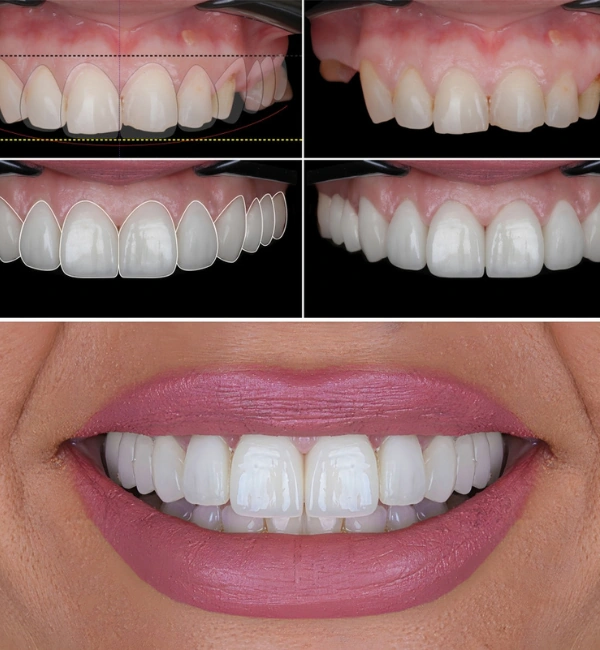
Digital Smile Design helps plan treatment more clearly. You can see how your smile may look before starting, which makes the results more accurate and predictable.
Is smile designing painful?
No, smile designing itself is not painful. It mainly involves photos, scans, and digital planning. Any treatment planned later is done with proper care and comfort.
How does Ultimate Smile Designing work?
Ultimate Smile Designing uses digital tools to study your face, teeth, and smile. A customised smile plan is created, and treatments are planned step by step to achieve that look.
What is a custom smile design?
A custom smile design is a smile planned specially for you. It considers your facial features, tooth shape, and smile style instead of using a one-size-fits-all approach.
How long does smile design last?
The smile design plan is permanent, but how long the results last depends on the treatments done, such as veneers or crowns, and how well you maintain your oral hygiene.
Orthodontics
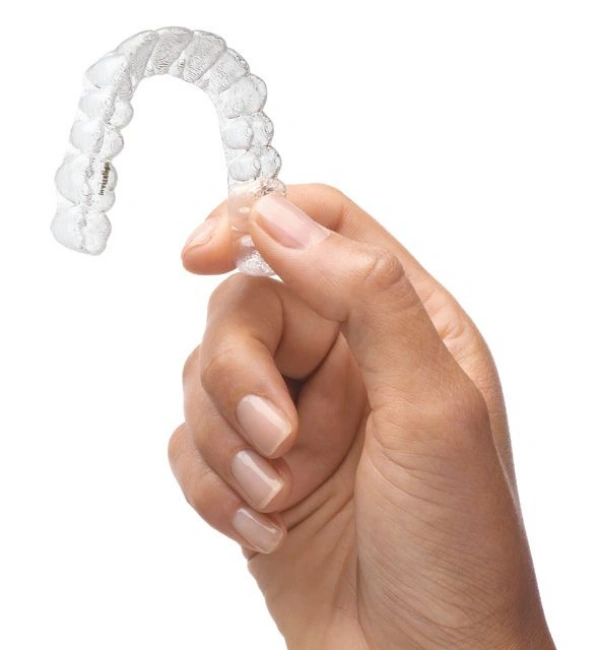
About clear aligners
Clear Aligners
Do invisible braces really work?
Yes, invisible braces work well for many alignment problems. When worn as advised, they gradually move teeth into the right position.
What is the purpose of invisible braces?
Invisible braces are used to straighten teeth and improve bite alignment without metal braces. They help improve comfort, function, and appearance.
What is the best age to get invisible braces?
Invisible braces can be used by teens and adults. The right age depends more on tooth condition than age, which is checked during consultation.
How many hours per day must the aligners be worn?
Aligners should be worn for about 20 to 22 hours a day for best results.
Can I eat and drink while wearing Invisalign aligners?
Aligners should be removed while eating or drinking anything other than water. This helps prevent damage and staining.
Is Invisalign braces painful?
You may feel mild pressure when switching to a new aligner. This is normal and usually settles within a day or two.
Orthodontics
About teeth braces
Teeth Braces
Do braces hurt?
Braces placement is usually not painful. You may feel some pressure or mild soreness for a few days after getting braces or after adjustments, but it settles as your mouth gets used to them.
What’s the best age for braces?
Braces can be done at almost any age. Many children start between 10 and 14 years, but adults can also get braces with good results.
How much do dental braces cost?
The cost of dental braces depends on the type of braces, treatment time, and case complexity. During consultation, the braces cost is explained clearly based on your needs.
What are the best braces for adults?
Ceramic braces and clear aligners are popular choices for adults because they are less noticeable. The best option depends on your teeth alignment and comfort preference.
How long would I have to wear my braces?
Most people wear braces for 12 to 24 months. The exact time depends on how much correction is needed and how well follow-up visits are maintained.
Preventive Dentistry
About teeth cleaning
Teeth Cleaning
Is it good to do teeth cleaning?
Yes. Teeth cleaning removes plaque and tartar that brushing cannot and helps keep teeth and gums healthy.
Which type of teeth cleaning is best?
The best type depends on your teeth and gums. The dentist checks first and suggests what you need.
Teeth sensitivity makes dental cleanings unbearable. Is that true?
No. Cleaning is usually comfortable, even for sensitive teeth. Dentists work gently and adjust if needed.
How often should I have my teeth cleaned by a professional?
Most people should get teeth cleaning every six months. Some may need it more often.
Can I eat immediately after tooth cleaning?
Yes. If fluoride is used, you may need to wait about 30 minutes.
Preventive Dentistry
About scaling and root planing
Scaling and Root Planing
Is scaling a tooth painful?
No, scaling is usually not painful. You may feel some pressure or mild discomfort, especially if your gums are sensitive. Any soreness after the treatment usually goes away in a day or two.
What not to do after scaling and root planing?
Avoid hard, very hot, or spicy food for a day or two. Do not smoke or chew tobacco. Also, avoid brushing too hard near the gums until they feel better.
Is scaling and root planing safe?
Yes, it is safe and commonly done. It helps treat gum problems and stop them from getting worse. Some mild sensitivity is normal and settles as the gums heal.
When is scaling and root planing necessary?
It is needed when gums bleed often, feel swollen, or when dirt is stuck below the gums. It is advised when normal cleaning cannot fix the problem.
What should I expect after scaling and root planing?
Your gums may feel sore or sensitive for a short time. Light bleeding can happen. With proper care, the gums heal in a few days and start feeling healthier.
Pediatric Dentistry
About pediatric dentistry
Pediatric Dentistry
What does a paediatric dentist do?
A paediatric dentist takes care of children’s teeth. They check, clean, and treat teeth in a gentle way that suits children.
Are baby teeth really that important?
Yes, baby teeth are important. They help children eat, speak, and guide adult teeth into the right place.
How often should my child visit the dentist?
Children should visit the dentist every six months. Regular visits help keep teeth healthy and prevent problems.
How is a pediatric dentist different from other dentists?
A pediatric dentist is trained to treat children. They know how to handle fear and make dental visits comfortable for kids.
When should my child have dental X-rays taken?
X-rays are taken only when needed. They help check tooth growth and hidden problems. The dentist decides when it is required.
No answer for that yet
Our dentists will answer it for you. Send your question on WhatsApp or leave your number below and we will call you back.
Ask on WhatsAppAsk Our Dentists
Our experienced dental team provides gentle, personalized care using modern techniques, so you can feel confident, comfortable and well-informed at every visit.
- Monday to Saturday, 10 am to 8 pm. Sunday by prior appointment.
- Kalanagar, Bandra East, Mumbai 400051
- Call +91 97690 52288 or WhatsApp +91 83696 43951
Book an Appointment
Leave your name and number. Our team will call you back within 24 hours to confirm a time.