





Gum disease is a common oral health problem that affects the gums and the tissues supporting your teeth. It often starts with mild symptoms such as bleeding while brushing, redness or swollen gums. Many people ignore these early signs because they do not always cause pain. But if gum disease is left untreated, it can gradually damage the tissues and bone that hold your teeth in place.
There are different stages of gum disease, ranging from early gum inflammation called gingivitis to advanced periodontitis. The good news is that early gum disease can often be reversed with proper dental care and good oral hygiene. More advanced stages may need specialised treatment to control the infection and prevent further damage. In this guide, we will explain the early signs of gum disease, its causes, symptoms and treatment options, so you can understand what to look for and when to visit a dentist.
What Is Gum Disease?
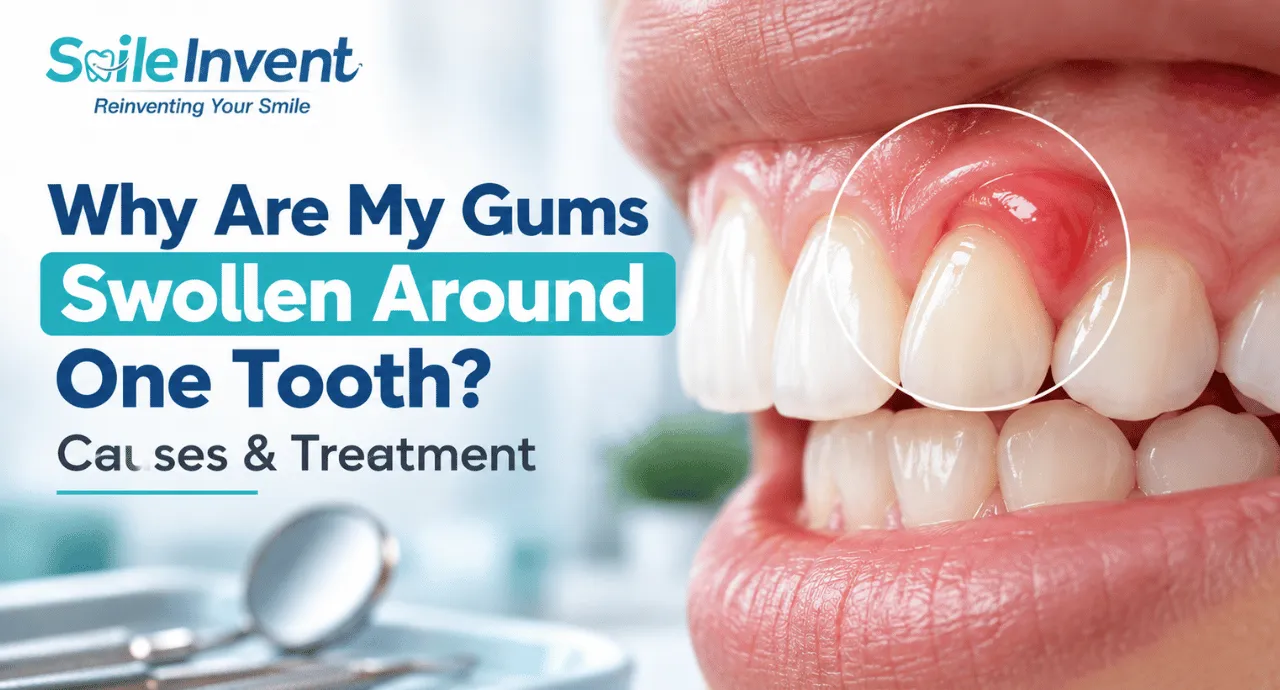
Gum disease is an infection that affects the gums and the tissues that support your teeth. It usually begins when plaque, a sticky layer of bacteria, builds up along the gumline. If plaque is not removed through regular brushing and flossing, it can irritate the gums and cause inflammation. This early stage is called gingivitis. Common signs include red, swollen or bleeding gums.
If gingivitis is not treated, it can develop into periodontitis, a more serious form of gum disease. At this stage, the infection can damage the tissues and bone that hold your teeth in place. The gums may start pulling away from the teeth, leading to gum recession and creating small spaces called periodontal pockets. These pockets allow more bacteria to collect and make the infection harder to control. As the condition progresses, teeth may become loose and, in severe cases, may be lost.
Gum disease can develop without causing noticeable pain, especially in its early stages. This is why regular dental checkups are important. A dentist can examine your gums, identify early signs of infection and recommend suitable treatment before the condition causes further damage.
What Causes Gum Disease?
The main cause of gum disease is the buildup of plaque on teeth and along the gumline. Plaque contains bacteria that can irritate the gums and cause inflammation. If it is not removed through daily brushing and flossing, it can harden into tartar. Tartar cannot be removed with a regular toothbrush and may need professional cleaning by a dentist.
Apart from plaque buildup, certain habits and health conditions can increase the risk of gum disease or make it worse. These include:
Poor oral hygiene: Not brushing and flossing regularly allows plaque and tartar to collect around the teeth.
Smoking and tobacco use: Tobacco can affect gum health, increase the risk of infection and make healing after treatment more difficult.
Diabetes: Poorly controlled blood sugar can make it harder for the body to fight gum infections.
Hormonal changes: Changes during pregnancy or menopause can make gums more sensitive to plaque.
Certain medications: Some medicines can reduce saliva production, which may allow bacteria and plaque to build up more easily.
Stress and genetics: Long-term stress and family history may also increase a person's risk of gum problems.
Having one or more of these risk factors does not mean you will definitely develop gum disease. Good oral hygiene and regular dental checkups can help reduce the risk and identify problems early.
What Are the Early Signs and Symptoms of Gum Disease?
Gum disease often starts with mild changes in the gums that may be easy to overlook. You may not feel pain in the early stages, but certain signs can indicate that your gums need attention. Look out for these common symptoms:
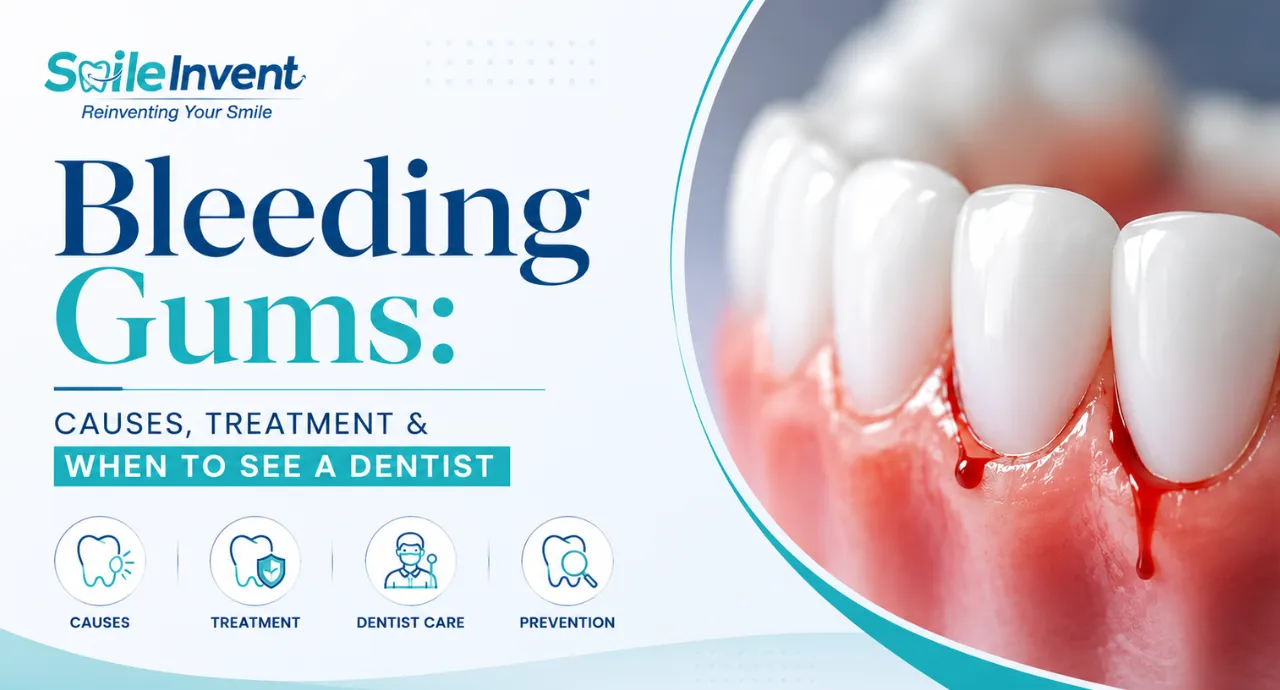
Bleeding gums: Your gums may bleed while brushing, flossing or eating hard foods.
Red or swollen gums: Healthy gums are usually firm and pink. Redness, swelling or tenderness can be signs of inflammation.
Bad breath: A persistent unpleasant smell or taste in your mouth may be linked to bacteria around the gums.
Gum tenderness: Your gums may feel sore or sensitive when you brush or touch them.
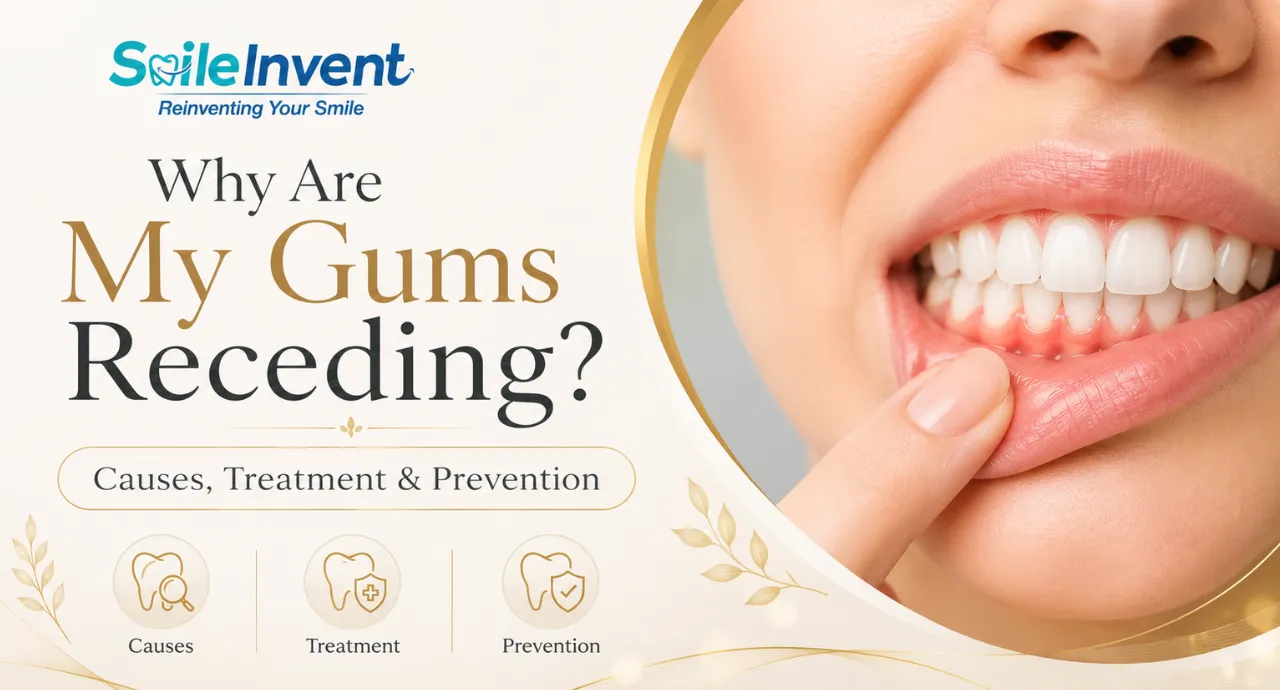
Gum recession: Your gums may start pulling away from your teeth, making them appear longer than usual.
Loose teeth: In more advanced gum disease, damage to the supporting tissues and bone can cause teeth to feel loose.
Pus near the gums: Pus between the teeth and gums can indicate an infection and needs prompt dental attention.
These symptoms can vary depending on the stage of gum disease. Bleeding, redness and swelling may appear in the early stages, while gum recession, pus and loose teeth can indicate more serious problems. If you notice any of these changes, consult a dentist for an examination rather than waiting for pain to develop.
What Are the Four Stages of Gum Disease?
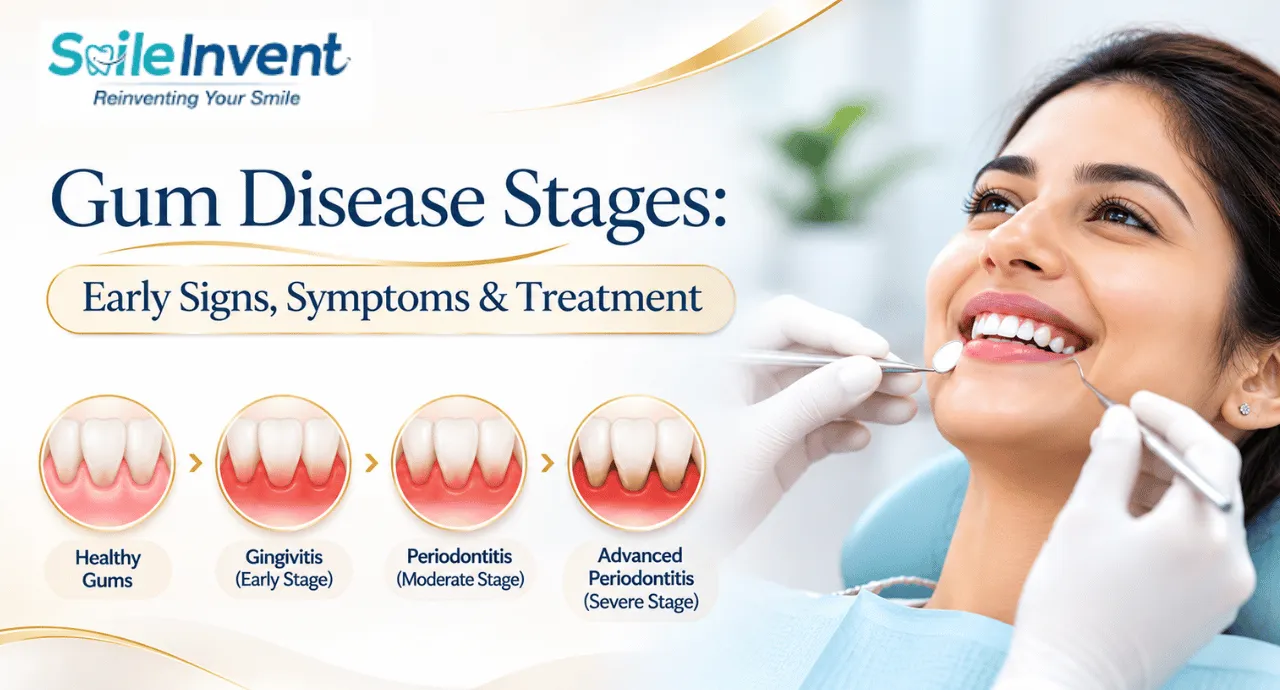
Gum disease develops gradually, starting with gum inflammation and potentially progressing to damage to the tissues and bone that support your teeth. The stages help explain how the condition changes over time and why early treatment matters.
For a clearer understanding, gum disease is often explained in four stages:
1. Gingivitis (Early Gum Disease)
Gingivitis is the earliest stage of gum disease. It occurs when plaque builds up along the gumline and causes inflammation. You may notice red, swollen or bleeding gums, especially while brushing or flossing. At this stage, the infection has not damaged the bone supporting your teeth. With professional cleaning and good daily oral hygiene, gingivitis can usually be reversed.
2. Early Periodontitis
If gingivitis is not treated, it can progress to early periodontitis. The infection starts affecting the tissues that support your teeth, and small pockets may form between the gums and teeth. Your gums may begin to pull away from the teeth, and some supporting bone may be lost. Professional dental treatment is needed to control the infection and prevent further damage.
3. Moderate Periodontitis
At this stage, the infection causes more damage to the supporting tissues and bone. The pockets between the gums and teeth become deeper, allowing bacteria to collect below the gumline. You may experience gum recession, persistent bad breath, bleeding or tenderness. Some teeth may begin to feel loose as the supporting structures weaken.
4. Advanced Periodontitis
Advanced periodontitis is the most severe stage of gum disease. A significant amount of the bone and tissues supporting the teeth may be damaged. Teeth can become very loose, painful while chewing or may fall out. Treatment at this stage focuses on controlling the infection, protecting the remaining supporting structures and saving teeth wherever possible.
Clinical note: The four-stage explanation above is a simplified way to describe the progression for readers. In formal periodontal classification, gingivitis is separate from the four stages of periodontitis. Periodontitis is classified from Stage I to Stage IV based on the severity of damage, tooth loss and complexity of treatment.
Comparison of the Four Stages of Gum Disease
Gum disease can affect your oral health in different ways as it progresses. In the early stage, the problem is mainly limited to gum inflammation. As the condition advances, it can damage the tissues and bone that support your teeth. The symptoms also become more noticeable, and treatment may become more complex. Understanding these differences can help you recognise why early diagnosis and timely dental care are important.
The table below compares the four stages of gum disease based on their common symptoms, the level of damage and the treatment options generally used at each stage.
How Is Gum Disease Diagnosed?
A dentist diagnoses gum disease by checking your gums, teeth and the supporting structures around them. During the examination, the dentist looks for signs such as redness, swelling, bleeding, gum recession and loose teeth. They may also ask about your oral hygiene habits, medical history, smoking or tobacco use, and any symptoms you have noticed.
One of the main ways to check gum health is through periodontal pocket measurement. The dentist uses a small instrument called a periodontal probe to measure the space between your teeth and gums. Healthy gums usually have shallow pockets, while deeper pockets may indicate gum disease. The dentist may also check whether your gums bleed during the examination and look for plaque or tartar buildup.
Dental X-rays may be recommended to check the bone supporting your teeth. They help the dentist identify bone loss that may not be visible during a routine examination. By combining the examination findings, pocket measurements and X-ray results, the dentist can determine the stage and severity of gum disease and suggest a suitable treatment plan.
What Is the Best Treatment for Gum Disease?
The best treatment for gum disease depends on its stage, the amount of damage to the gums and bone, and your overall oral health. Early gum disease can often be managed with professional dental cleaning and better oral hygiene at home. If the infection has progressed to periodontitis, you may need deeper cleaning or specialised periodontal treatment to control the infection and protect the supporting structures of your teeth.
Common treatment options include:
1. Professional Dental Cleaning: For gingivitis, a dentist or dental hygienist removes plaque and tartar from the teeth, especially around the gumline. Regular brushing and flossing help prevent further buildup.
2. Scaling and Root Planing: This is a deep cleaning procedure used to treat periodontitis. The dentist removes plaque and tartar from below the gumline and smooths the tooth roots. This helps the gums heal and may reduce the depth of periodontal pockets.
3. Medication: In some cases, the dentist may recommend antimicrobial mouth rinses or other medicines to help control bacterial infection. Medication is usually used along with professional cleaning rather than as a replacement for it.
4. Periodontal Surgery: If gum disease has caused deep pockets or significant damage, surgical treatment may be recommended. Depending on the condition, procedures may help reduce pocket depth, repair damaged tissues or support bone regeneration.
5. Ongoing Periodontal Maintenance: After treatment, regular follow-up visits and professional cleaning help monitor gum health and reduce the risk of the infection returning.
A dentist will examine your gums and recommend treatment based on your condition. Starting treatment early can help control gum disease and reduce the risk of permanent damage.
Can Gum Disease Be Reversed?
Whether gum disease can be reversed depends on its stage. Gingivitis, the earliest stage, can usually be reversed with proper dental treatment and good oral hygiene. At this stage, the inflammation is limited to the gums, and there is no permanent damage to the bone supporting the teeth. Professional cleaning helps remove plaque and tartar, while regular brushing and flossing help keep the gums healthy.
Once gum disease progresses to periodontitis, the damage to the supporting tissues and bone cannot usually be reversed completely. The lost bone does not naturally grow back just by improving oral hygiene. Treatment can still control the infection, reduce gum inflammation and prevent further damage. In selected cases, specialised procedures may help regenerate some lost bone or supporting tissue.
The best way to protect your gums is to identify the problem early and follow the treatment recommended by your dentist. Regular dental checkups, professional cleaning and proper oral care at home can help manage gum disease and maintain your oral health.
How Can You Prevent Gum Disease?
Good oral hygiene and regular dental care are the best ways to prevent gum disease. Since plaque buildup is the main cause, keeping your teeth and gums clean every day can reduce the risk of gum inflammation and infection. Follow these simple habits to protect your gum health:
1. Brush Twice a Day: Brush your teeth for two minutes in the morning and before bedtime using a soft bristled toothbrush. Pay attention to the gumline, where plaque often collects.
2. Floss Daily: Use dental floss once a day to remove food particles and plaque from between your teeth, where a toothbrush may not reach.
3. Clean Your Tongue: Gently clean your tongue every day to remove bacteria and maintain better oral hygiene.
4. Avoid Tobacco: Smoking and chewing tobacco can increase the risk of gum disease and affect the healing process. Avoiding tobacco helps protect your gums.
5. Eat a Balanced Diet: Include fruits, vegetables and other nutritious foods in your meals. Limit frequent sugary snacks and drinks that can contribute to plaque buildup.
6. Stay Hydrated: Drink enough water throughout the day to help maintain saliva flow. Saliva helps wash away food particles and supports a healthy mouth.
7. Visit Your Dentist Regularly: Schedule routine dental checkups and professional cleaning as recommended by your dentist. These visits help identify early gum problems and remove tartar that cannot be removed through brushing alone.
Small daily habits can make a big difference in keeping your gums healthy. Brushing twice a day, flossing regularly and cleaning your tongue help remove plaque and reduce bacterial buildup around the teeth and gumline. Avoiding tobacco, eating a balanced diet and drinking enough water also support good oral health.
Along with your daily routine, regular dental checkups help detect early signs of gum disease before they become more serious. Professional cleaning removes tartar that cannot be removed with a toothbrush or floss. If you notice bleeding, swelling or tenderness in your gums, do not ignore these signs. Visiting a dentist at the right time can help prevent further damage and keep your gums healthy in the long run.
When Should You See a Dentist for Gum Disease?
You should visit a dentist if you notice changes in your gums, even if they do not cause pain. Early signs of gum disease can be mild, but ignoring them may allow the condition to progress and affect the tissues supporting your teeth.
Look out for these warning signs:
Bleeding gums: Your gums bleed regularly while brushing, flossing or eating.
Swollen or red gums: Your gums look inflamed, feel tender or appear darker than usual.
Persistent bad breath: You have an unpleasant smell or taste in your mouth that does not go away with regular brushing.
Gum recession: Your gums pull away from your teeth, making them look longer than before.
Loose teeth: Your teeth feel less stable or shift from their usual position.
Pus around the gums: You notice pus, swelling or signs of infection near your teeth.
If you experience severe gum pain, facial swelling, fever or difficulty swallowing, seek urgent dental or medical care. These symptoms may indicate a spreading infection.
Do not wait for gum disease to become painful before seeking help. A dentist can examine your gums, measure periodontal pockets and recommend suitable treatment based on the condition. Early diagnosis can help control the infection, protect the supporting bone and reduce the risk of tooth loss.
Gum Disease Treatment at Smile Invent Dental Clinic
Healthy gums are essential for keeping your teeth strong and maintaining good oral health. If you notice bleeding, swelling, gum recession or persistent bad breath, getting your gums checked by a dental professional can help identify the problem early.
At Smile Invent Dental Clinic, patients can seek dental guidance for gum health concerns and understand the treatment options based on their condition. The dentist will examine your gums, check for plaque and tartar buildup, and assess whether there are signs of gum infection or damage to the supporting tissues. Depending on the severity, treatment may include professional cleaning, deep cleaning or other periodontal procedures.
If you are looking for a dentist in Mumbai for gum health concerns, Smile Invent Dental Clinic in Bandra East can help you understand your condition and the next steps for care. Regular dental checkups and proper oral hygiene can help manage gum problems and protect your smile in the long run.
FAQ’s
1. Is gum disease common in adults?
Yes, gum disease is common in adults. It can affect people of different age groups, especially when plaque buildup is not managed.
2. Can gum disease develop without bleeding gums?
Yes. Some people may have gum disease without noticeable bleeding. Gum recession, persistent bad breath or changes in tooth position can also indicate a problem.
3. Does gum disease affect overall health?
Gum disease has been linked to certain health conditions, including diabetes and cardiovascular disease. The relationship is complex, and research is still ongoing.
4. Can gum disease return after treatment?
Yes. Gum disease can return if plaque builds up again. Regular dental visits and consistent oral hygiene help keep it under control.
5. Is gum disease genetic?
Genetics can influence a person's risk of developing gum disease, but oral hygiene, smoking, medical conditions and other factors also play a role.
Conclusion
Gum disease can start with mild symptoms such as bleeding, redness or swollen gums, but it can gradually damage the tissues and bone supporting your teeth if left untreated. Recognising the early signs, maintaining good oral hygiene and visiting your dentist regularly can help protect your gums and prevent further damage.
If you notice any changes in your gums, do not ignore them. Consult a dental professional for an examination and suitable treatment. With timely care and regular follow-ups, you can manage gum disease and maintain healthy gums for a healthier smile.
This article is general information, not a diagnosis. For advice about your own teeth, book a consultation.