





Bad breath is a common problem that can make you feel uncomfortable while talking to others. You may notice it after waking up in the morning, after eating certain foods or even during the day despite brushing your teeth regularly. The medical term for bad breath is halitosis. It can happen occasionally, but when the unpleasant smell stays for a long time or keeps coming back, it may need attention.
The most common reasons for bad breath are related to the mouth, including bacteria on the tongue, food particles trapped between teeth, gum problems and dry mouth. Sometimes, it may also be linked to tooth decay, smoking or certain health conditions. Finding out the reason behind the bad smell from the mouth is the first step towards choosing the right treatment. Simple changes in your daily oral care routine may help, but persistent bad breath should be checked by a dentist.
What Is Bad Breath (Halitosis)?
Bad breath, medically known as halitosis, is an unpleasant smell that comes from the mouth when you speak, breathe or even exhale. It can happen occasionally, such as after eating garlic or onions, drinking coffee or waking up in the morning. This type of bad breath usually goes away after brushing, cleaning your tongue or drinking water. But when the smell continues throughout the day or keeps returning, it may be a sign of an underlying oral health problem.
In most cases, halitosis starts inside the mouth. Bacteria break down food particles and other substances, releasing unpleasant smelling gases. These bacteria can collect on the tongue, between the teeth and around the gums. A dry mouth can also make the smell worse because saliva helps wash away food particles and bacteria. Persistent bad breath may also be linked to gum disease, tooth decay or certain health conditions.
What Causes Bad Breath?
The most common reasons for bad breath are related to oral health. When food particles remain in the mouth, bacteria break them down and release unpleasant smelling gases. Poor oral hygiene, tongue coating and gum problems can allow these bacteria to build up. Sometimes, bad breath may also be linked to certain foods, smoking or health conditions.
Here are some common causes of bad breath:
Poor oral hygiene: Not brushing and cleaning between your teeth properly can allow food particles, plaque and bacteria to build up.
Bacteria on the tongue: The rough surface of the tongue can trap bacteria and food debris, which may cause an unpleasant smell.
Dry mouth: Saliva helps wash away food particles and bacteria. When your mouth does not produce enough saliva, bad breath can become more noticeable.
Gum disease: Gum infections can cause bleeding, swelling and persistent bad breath.
Tooth decay: Cavities and damaged teeth can trap food particles and bacteria, leading to an unpleasant smell.
Certain foods and drinks: Garlic, onions, coffee and some strongly flavoured foods can temporarily affect your breath.
Smoking and tobacco: Tobacco products can leave a strong smell in the mouth and increase the risk of gum disease.
Tonsil stones: Small deposits that form in the tonsils can contain bacteria and produce an unpleasant smell.
Medical conditions: Sinus infections, acid reflux and some other health conditions may also contribute to bad breath.
What Are the Symptoms of Halitosis?
The most noticeable symptom of halitosis is an unpleasant smell when you speak or breathe. Some people may not notice their own bad breath, but others around them might. Bad breath can also occur along with other signs, depending on what is causing it.
Common signs associated with bad breath include:
Unpleasant breath smell: A noticeable smell from the mouth that may continue even after brushing.
Bad taste in the mouth: A bitter, sour or unpleasant taste that does not go away easily.
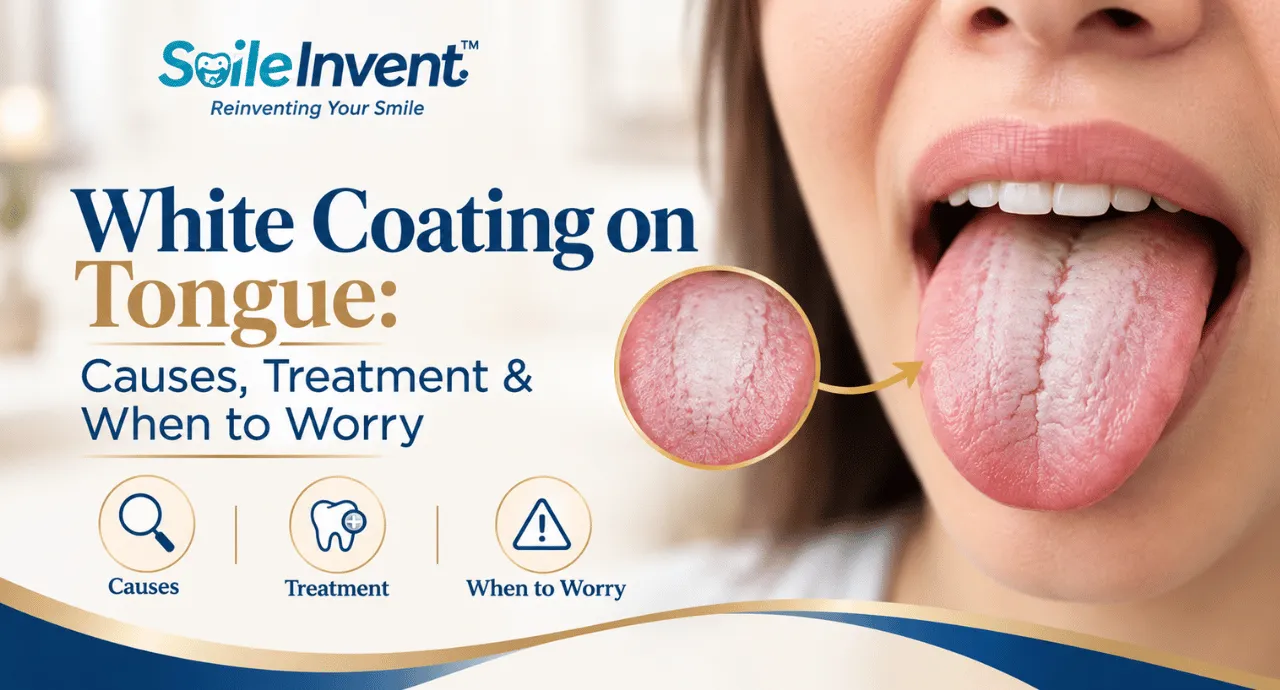
White coating on the tongue: A layer on the tongue may collect bacteria and food debris that contribute to bad breath.
Dry or sticky mouth: Reduced saliva can make your mouth feel dry and allow odour causing bacteria to build up.
Bleeding or swollen gums: These may be signs of gum problems that can contribute to persistent bad breath.
Thick saliva: Some people experience a sticky feeling in the mouth, especially when they have dry mouth.
These symptoms can point towards different oral health concerns, but they do not confirm the exact cause of halitosis. If bad breath continues or comes with gum bleeding, tooth pain or persistent dryness, a dental examination can help identify the problem.
Why Do I Have Bad Breath Even After Brushing?
Brushing your teeth twice a day is a good start, but it does not always remove everything that causes bad breath. Food particles can remain trapped between your teeth, around the gums and on the back of your tongue. Bacteria break down these particles and release unpleasant smelling gases. That's why you may still notice a bad smell from your mouth even after brushing regularly.
Another common reason is dry mouth. Saliva naturally washes away food particles and helps control bacteria. When your mouth does not produce enough saliva, bacteria can build up and make your breath smell unpleasant. Gum disease, tooth decay and certain oral infections can also cause bad breath that does not go away with regular brushing.
If you experience bad breath every day despite maintaining good oral hygiene, it is worth visiting a dentist. A dental examination can help identify whether the problem is related to your teeth, gums, tongue or another oral health concern. Simply using mouth fresheners or chewing gum may cover the smell for a short time, but it will not treat the underlying cause.
How to Get Rid of Bad Breath?
Getting rid of bad breath starts with finding out what is causing it. If the smell is related to bacteria, food particles or poor oral hygiene, improving your daily cleaning routine can make a difference. But if bad breath is linked to gum disease, tooth decay or dry mouth, you may need treatment for the underlying problem.
A few simple habits can help keep your breath fresh throughout the day:
1. Brush twice a day: Brush your teeth in the morning and before bed using fluoride toothpaste. Pay attention to the gum line, where plaque can collect.
2. Clean your tongue: Bacteria and food debris can collect on the tongue and cause an unpleasant smell. Gently clean it with a tongue scraper or toothbrush.
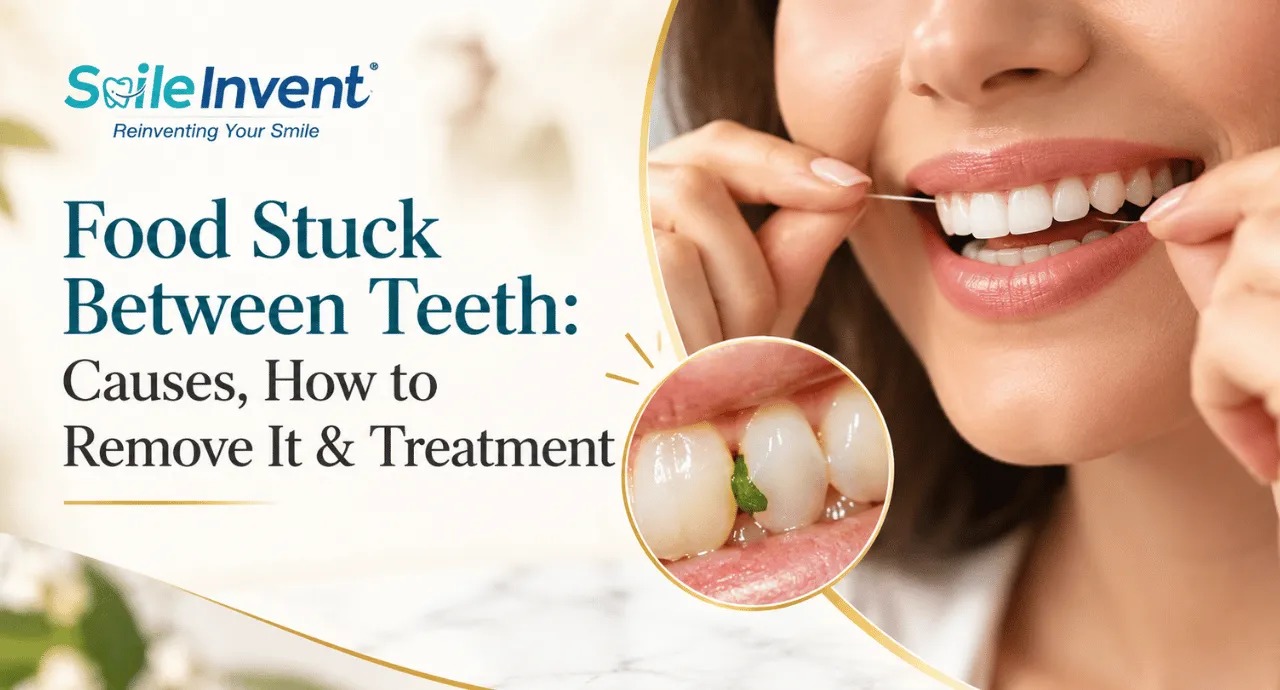
3. Clean between your teeth: Use dental floss or an interdental brush to remove food particles and plaque from areas your toothbrush cannot reach.
4. Drink enough water: Staying hydrated helps prevent dry mouth and supports normal saliva production.
5. Use mouthwash when needed: An appropriate mouthwash may help reduce bacteria and freshen your breath. Choose one recommended by your dentist, especially if you have dry mouth.
6. Avoid tobacco: Smoking and tobacco products can leave a strong smell and increase the risk of gum problems.
These habits can help manage everyday bad breath, but persistent halitosis should not be ignored. If the smell continues despite regular oral care, visit a dentist to check for possible dental problems.
Home Remedies for Bad Breath
Some simple home remedies may help manage bad breath, especially when it is caused by a dry mouth or food particles left behind after meals. These remedies can improve mouth freshness, but they may not solve the problem if it is linked to gum disease, tooth decay or another dental condition.
These remedies may offer temporary relief, but they should not replace regular brushing, tongue cleaning and cleaning between your teeth. If bad breath continues even after following these habits, consult a dentist to find the underlying cause.
What Is the Best Treatment for Bad Breath?
The best treatment for bad breath depends on what is causing it. If the problem is related to food particles, tongue coating or poor oral hygiene, your dentist may recommend improving your daily cleaning routine. Regular brushing, tongue cleaning and cleaning between your teeth can help control the bacteria responsible for unpleasant breath.
If bad breath is caused by gum disease or tooth decay, treating the dental problem is important. Your dentist may recommend professional teeth cleaning to remove plaque and tartar buildup. If you have cavities or an infection, you may need the appropriate dental treatment. For people with dry mouth, the dentist may suggest ways to keep the mouth moist and manage the underlying cause.
Mouthwash, chewing gum and breath fresheners may reduce the smell for a short time, but they do not treat the actual cause. If bad breath keeps returning, a dental examination is the best way to identify the problem and choose the right treatment.
How to Prevent Bad Breath?
Preventing bad breath starts with maintaining good oral hygiene every day. Brush your teeth twice a day with fluoride toothpaste and clean your tongue regularly. Food particles and bacteria can collect on the tongue, so cleaning it is an important part of your oral care routine.
Clean between your teeth once a day using dental floss or an interdental brush. This helps remove food particles from areas that a toothbrush may not reach. Drink enough water throughout the day to prevent your mouth from becoming dry. If you wear dentures, clean them properly and follow your dentist's instructions.
Your daily habits also matter. Avoid smoking and tobacco products, and limit foods that leave a strong smell in your mouth. Visit your dentist regularly for checkups and professional cleaning when needed. These steps can help reduce the chances of bad breath and support better oral health.
When Should You See a Dentist for Bad Breath?
Occasional bad breath after eating certain foods or waking up in the morning is common. It usually improves after brushing, cleaning your tongue and drinking water. But if the unpleasant smell continues throughout the day or keeps coming back despite regular oral care, it is important to consult a dentist.
You should also book a dental appointment if bad breath occurs along with symptoms such as bleeding or swollen gums, toothache, loose teeth, a persistent bad taste or visible tooth decay. These signs may point to an underlying dental problem that needs attention.
If you have persistent bad breath, do not rely only on mouth fresheners or chewing gum to hide the smell. A dentist can examine your teeth, gums and tongue to identify the possible cause and recommend suitable treatment. If no dental cause is found, you may be advised to consult a doctor to check for other health conditions.
When Should You See a Dentist for Bad Breath?
Occasional bad breath after eating certain foods or waking up in the morning is common. But if the smell continues despite regular brushing and tongue cleaning, it may be a sign of an underlying dental problem.
You should visit a dentist if you notice any of these signs:
1. Bad Breath That Does Not Go Away
If your breath smells unpleasant throughout the day or the problem keeps returning even after brushing, a dentist can help identify the cause.
2. Bleeding or Swollen Gums
Gums that bleed while brushing, look swollen or feel tender may indicate gum disease. Gum problems can contribute to persistent bad breath.
3. Toothache or Tooth Decay
Cavities, damaged teeth and dental infections can cause an unpleasant smell in the mouth. A dental examination can help detect and treat these problems.
4. Persistent Bad Taste in the Mouth
If you regularly notice a bitter, sour or unpleasant taste, it may be linked to oral health issues that need attention.
5. White Coating on the Tongue
A thick or persistent coating on the tongue may allow bacteria and debris to collect, contributing to bad breath. A dentist can check whether it is related to poor oral hygiene or another condition.
6. Bad Breath Along With Dry Mouth
If your mouth often feels dry or sticky, reduced saliva may be allowing bacteria to build up. A dentist can help identify the reason and suggest suitable care.
Do not depend only on mouth fresheners or chewing gum to hide persistent bad breath. A dental checkup can help find the actual cause and guide you towards the right treatment.
Bad Breath Treatment at Smile Invent Dental Clinic
If you are struggling with persistent bad breath, finding the actual cause is the first step towards getting the right treatment. At Smile Invent Dental Clinic, Bandra East, Mumbai, our dental team can examine your teeth, gums and tongue to identify possible oral health problems that may be causing unpleasant breath.
Depending on your dental condition, the treatment may include professional teeth cleaning to remove plaque and tartar, treatment for gum disease, or care for tooth decay and dental infections. If dry mouth or another concern is contributing to the problem, the dentist can guide you on suitable ways to manage it.
Do not let bad breath affect your confidence or make you uncomfortable while speaking with others. Book a dental consultation at Smile Invent Dental Clinic to understand the cause and discuss the right treatment for your oral health.
Bad Breath Treatment at Smile Invent Dental Clinic
If you are struggling with persistent bad breath, finding the right dental care is important. At Smile Invent Dental Clinic, patients receive dental evaluation to help identify possible causes of bad breath, including plaque buildup, gum problems, tooth decay and other oral health concerns.
The dentist examines your teeth, gums and tongue to understand what may be causing the unpleasant smell. Based on the findings, the treatment may include professional teeth cleaning, care for gum disease, treatment for cavities or advice on managing dry mouth. The aim is to treat the underlying problem rather than simply cover the smell with mouth fresheners.
If you are searching for a dentist in Mumbai for bad breath concerns, Smile Invent Dental Clinic in Bandra East can help you understand the cause and explore suitable treatment options. Regular dental checkups and good oral care habits can also help maintain fresh breath and healthier teeth and gums.
FAQ’s
1. How can I get rid of bad breath permanently?
Getting rid of bad breath for the long term depends on treating its cause. Brush twice a day, clean your tongue, floss daily and drink enough water. If the smell continues, visit a dentist to check for gum disease, tooth decay or other oral health problems.
2. Why does my breath smell bad even after brushing?
Brushing may not remove all the bacteria and food particles from your tongue, between your teeth or around your gums. Dry mouth, cavities and gum disease can also cause persistent bad breath. A dental checkup can help identify the reason.
3. Can bad breath come from the stomach?
Most cases of bad breath are related to the mouth. In some cases, conditions such as acid reflux may contribute to an unpleasant smell or taste. If your dentist cannot find an oral cause, they may suggest consulting a doctor for further evaluation.
4. Why do I have bad breath when I wake up in the morning?
Morning bad breath is common because saliva production decreases while you sleep. This allows bacteria and odour causing substances to build up in the mouth. Brushing your teeth, cleaning your tongue and drinking water usually help freshen your breath.
5. Does mouthwash help with bad breath?
Mouthwash can temporarily freshen your breath and some types can help reduce oral bacteria. But it may not treat the underlying cause, such as gum disease or tooth decay. Choose a suitable mouthwash with advice from your dentist.
6. Can tonsil stones cause bad breath?
Yes. Tonsil stones are small deposits that can form in the pockets of your tonsils. They may contain trapped food particles and bacteria, which can produce an unpleasant smell. If you notice recurring tonsil stones or persistent bad breath, consult a dentist or doctor.
7. What is the best toothpaste for bad breath?
A fluoride toothpaste is a good choice for everyday oral care because it helps protect your teeth against cavities. Toothpaste alone may not solve persistent bad breath. Cleaning your tongue and between your teeth is also important. Ask your dentist if you need a specialised toothpaste.
8. Is bad breath a sign of a serious health problem?
Bad breath is usually linked to oral health issues, but sometimes it may be associated with conditions such as sinus infections, acid reflux or other medical problems. If it continues despite good oral care, get it checked by a dentist. They can guide you on whether further medical evaluation is needed.
Conclusion
Bad breath is a common concern, but it should not be ignored when it continues despite regular brushing and oral care. It can be caused by bacteria on the tongue, dry mouth, gum disease, tooth decay or certain health conditions. Identifying the actual cause is the first step towards choosing the right treatment.
Maintain good oral hygiene by brushing twice a day, cleaning your tongue, flossing regularly and drinking enough water. If you experience persistent bad breath, consult a dentist instead of relying only on mouth fresheners. If you are looking for a dentist in Mumbai, Smile Invent Dental Clinic in Bandra East can help assess your oral health and guide you towards suitable treatment.
Fresh breath starts with a healthy mouth. Regular dental checkups and consistent oral care can help you maintain a healthier smile.
This article is general information, not a diagnosis. For advice about your own teeth, book a consultation.