
Table of Contents
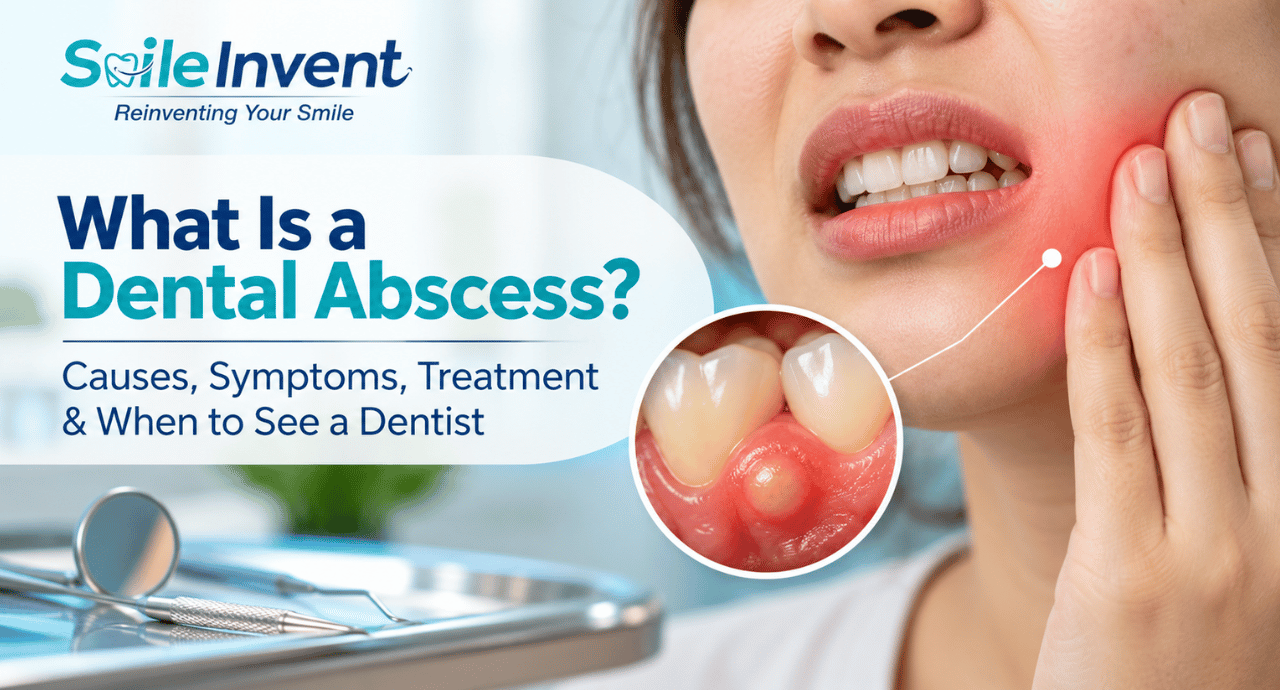
A toothache, swollen gum or small bump on the gum can sometimes be more than a simple dental problem. In some cases, these signs may point to a dental abscess, which is a pocket of pus caused by a bacterial infection in or around a tooth.
A dental abscess can develop because of problems such as deep tooth decay, a cracked tooth or gum disease. You may notice pain, swelling, sensitivity, a bad taste or pus in gums, but the symptoms can vary from person to person. An abscess does not usually heal on its own, so finding the cause early can help prevent the infection from spreading.
A dental abscess is a pocket of pus that forms because of a bacterial infection in or around a tooth. It can develop at the tip of the tooth root, inside the gum, or in the tissues that support the tooth. You may notice a swollen or pimple like bump on the gum, pain, redness, or swelling around the affected area.
A tooth abscess usually develops when bacteria get inside the tooth or into the tissues around it. Deep tooth decay, a cracked or damaged tooth, or gum disease can allow the infection to develop. Without proper dental treatment, the infection can spread to nearby tissues, so a dental abscess should not be ignored.
A dental abscess can develop in different areas around a tooth, depending on where the infection starts. There are three main types of dental abscesses: periapical, periodontal and gingival. Knowing the type helps a dentist understand where the infection is located and what treatment may be needed.
The symptoms can look similar across these types, so a dentist may need to examine the tooth and take an X ray to find the exact source of the infection.
A dental abscess usually develops when bacteria enter the tooth or the tissues around it. One of the most common causes is deep tooth decay. When decay reaches the inner part of the tooth, bacteria can cause an infection that may eventually lead to an abscess.
Other possible causes include a cracked or broken tooth, which can allow bacteria to enter, and gum disease, which can affect the tissues supporting the tooth. A dental abscess can also develop after an injury to the tooth or when bacteria build up because of poor oral hygiene.
If an infection is left untreated, it can continue to grow and form a pocket of pus. That is why symptoms such as swollen gum with pus, persistent tooth pain, or a pimple like bump on the gum should not be ignored./p>
The symptoms can be different from person to person. Some are easy to notice, while others may appear only when the infection becomes more serious.
Common dental abscess symptoms include:
Yes, a dental abscess can sometimes develop without noticeable pain. Some people may only notice a small swelling, pimple like bump on the gum, bad taste in the mouth, or pus around the affected tooth. A periodontal abscess, for example, can cause a swollen bump on the gums, while pain or tenderness may not always be present.
There is another situation where pain may disappear even though the infection is still present. If the infection damages or kills the nerve inside the tooth, the tooth may stop hurting, but the abscess can continue to develop. So, no pain does not always mean the infection is gone.
If you notice swelling, pus in gums, a gum boil, or an unusual taste even without pain, it is a good idea to have the area checked by a dentist.
A dentist will first examine the affected tooth and the surrounding gums to understand where the infection may be coming from. They may ask about your symptoms, when the pain or swelling started, whether you have noticed pus in gums, and whether the tooth feels sensitive while eating or drinking.
The dentist may use the following methods to diagnose a dental abscess:
The dentist checks the tooth and gums for signs such as:
They may also gently press or tap the tooth. If the tooth is unusually sensitive or painful to pressure, it can give the dentist a clue about the source of the infection.
A Dental X ray is often useful because an abscess may develop below the gum or around the root of the tooth where it cannot be seen during a normal examination. An X ray can help the dentist look for infection around the tooth root, deep decay, bone changes, or other problems affecting the tooth.
If the dentist suspects a periodontal abscess, they may check the gum tissue and the spaces around the tooth. This can help identify gum infection and determine whether the abscess is related to the supporting tissues around the tooth.
If the infection appears to have spread beyond the immediate area or the dentist needs a more detailed view, additional imaging may sometimes be recommended. The exact tests depend on the symptoms and findings during the examination.
After these checks, the dentist can identify the likely source and extent of the infection. This helps them decide whether the patient needs drainage, a root canal, gum treatment, tooth removal, or other dental abscess treatment. Antibiotics may also be prescribed in some cases, but they do not remove the underlying source of the infection on their own.How Is a Dental Abscess Treated?The treatment for a dental abscess depends on where the infection is located, how severe it is, and whether the affected tooth can be saved. The main goal is to remove the source of infection, drain the pus when needed, and protect the tooth or surrounding tissues.
The dentist will choose the treatment after examining the tooth and identifying the cause of the infection. Trying to squeeze or pop the abscess at home can make the problem worse and does not remove the infection.
A dental abscess cannot be cured at home because the infection and its source need proper dental treatment. Home care may give temporary relief from pain or swelling, but it does not remove the pus or treat the infected tooth. A dental abscess can also continue to spread even if the pain becomes less noticeable.
You can take a few simple steps to make yourself more comfortable while waiting for dental care:
These measures are only temporary. The dentist still needs to find the cause of the infection and provide the appropriate dental abscess treatment.
A dental abscess cannot be cured at home because the infection and its source need proper dental treatment. Home care may give temporary relief from pain or swelling, but it does not remove the pus or treat the infected tooth. A dental abscess can also continue to spread even if the pain becomes less noticeable.

You can take a few simple steps to make yourself more comfortable while waiting for dental care:
These measures are only temporary. The dentist still needs to find the cause of the infection and provide the appropriate dental abscess treatment.
A dental abscess should not be ignored, even if the pain becomes less or disappears. The infection can remain active and may continue to affect the tooth, gums, and nearby tissues. In some cases, the infection can spread beyond the tooth and cause more serious problems.
You should see a dentist as soon as you notice signs of a dental abscess. A small gum swelling or a pimple like bump may seem minor, but it can be a sign of an infection that needs proper treatment.
These symptoms can indicate that the infection is becoming more serious. A dental abscess does not usually heal on its own, so getting the cause checked early can help prevent the infection from spreading.
A dental abscess needs proper dental care because the infection does not usually go away on its own. At Smile Invent Dental Clinic, the dentist can examine the affected tooth and gums, identify the source of the infection, and recommend treatment based on the condition of the tooth. Depending on the case, treatment may include draining the abscess, root canal treatment, gum treatment, or tooth extraction.
If you notice tooth pain, swelling, a gum boil, pus in gums, or a bad taste in your mouth, getting the problem checked early can help prevent the infection from becoming more serious. If you are looking for a dentist in Mumbai for a dental abscess or other tooth problems, Smile Invent Dental Clinic in Bandra East can help you understand the cause of your symptoms and discuss the appropriate treatment options.
The aim is not just to reduce the pain but to treat the source of the infection. Once the dentist identifies the cause, you can understand what needs to be done to protect your tooth and maintain your oral health.
Yes, an abscess can sometimes drain or rupture on its own. You may notice a sudden release of fluid with a bad taste in your mouth, and the pain may reduce afterward. This does not mean the infection is cured. The source of the infection still needs dental treatment.
It is possible for an abscess to develop again after root canal treatment, although this does not happen in every case. Reinfection can occur if bacteria remain or enter the tooth later, or if the tooth develops another problem such as a root fracture. Your dentist may recommend further treatment depending on the cause.
A dental abscess itself is not generally considered contagious. The bacteria involved in oral infections can be transferred between people, but having an abscess does not mean someone else will automatically develop one. Good oral hygiene and regular dental care can help reduce the risk of dental infections.
Yes. An abscess can cause a bad or unpleasant taste, especially if pus drains into the mouth. A sudden salty or foul tasting fluid may also occur if the abscess ruptures. Even if the discomfort improves afterward, the infection still needs to be checked by a dentist.
Many people start feeling better after the infection is treated, but healing time varies depending on the treatment and severity of the infection. Some temporary sensitivity or discomfort can remain for a few days. Your dentist can tell you what recovery to expect based on your treatment.
Usually, no. Antibiotics may be prescribed in certain situations, but they do not remove the source of the infection inside an affected tooth. Treatment may require drainage, root canal treatment, or extraction depending on the condition of the tooth.
If you notice a swollen gum, gum boil, bad taste, pus, or persistent tooth discomfort, do not wait for it to settle on its own. A dentist can identify the source of the infection and recommend the right treatment to protect your tooth and oral health.
If you are searching for “What Is a Dental Abscess?”, the key thing to remember is that an abscess should not be ignored, even if the pain reduces. Getting it checked by a dentist can help prevent the infection from progressing and causing further damage.
A swollen gum around one tooth can be uncomfortable and sometimes...
Read More
Walk into any supermarket or pharmacy and you will find toothpast...
Read More
Wearing braces can make your daily brushing routine a little more...
Read More