
Table of Contents
Wisdom tooth pain often starts with a dull ache at the back of the mouth, but it can quickly become painful enough to affect your daily routine. Simple things like chewing, talking, or even sleeping may become uncomfortable. In many cases, the pain happens because the wisdom tooth does not have enough space to grow properly or gets trapped under the gums. Some people also notice swollen gums, jaw pain, or difficulty opening their mouth, while others may develop an infection without realizing it.
If you are searching for wisdom tooth pain relief, the first step is to understand what is causing the pain. Home remedies may help reduce discomfort for a short time, but they cannot fix problems such as impacted wisdom teeth or serious infections. Getting the right treatment at the right time can prevent complications and protect your oral health. In this guide, you will learn the common causes of wisdom tooth pain, its signs and symptoms, treatment options, and when wisdom teeth removal may be the best choice.
Wisdom teeth are the last set of permanent teeth to develop. Most people have four wisdom teeth, one in each corner at the back of the mouth. They usually appear between the ages of 17 and 25, although some people may get them earlier, later, or not at all. If there is enough space in the jaw and the teeth grow in the correct position, they may not cause any problems and can function like other molars.
Problems begin when wisdom teeth do not have enough room to erupt properly. They may grow at an angle, remain trapped under the gums, or only partially emerge through the gum tissue. This can make it difficult to clean the area, allowing food particles and bacteria to build up. As a result, many people experience wisdom tooth pain, swollen gums, infection, or damage to nearby teeth. If left untreated, these issues can develop into more serious dental conditions. Learn more about common major dental problems and how to prevent them. Regular dental checkups and X rays can help monitor the growth of wisdom teeth and identify potential problems before they become more serious.
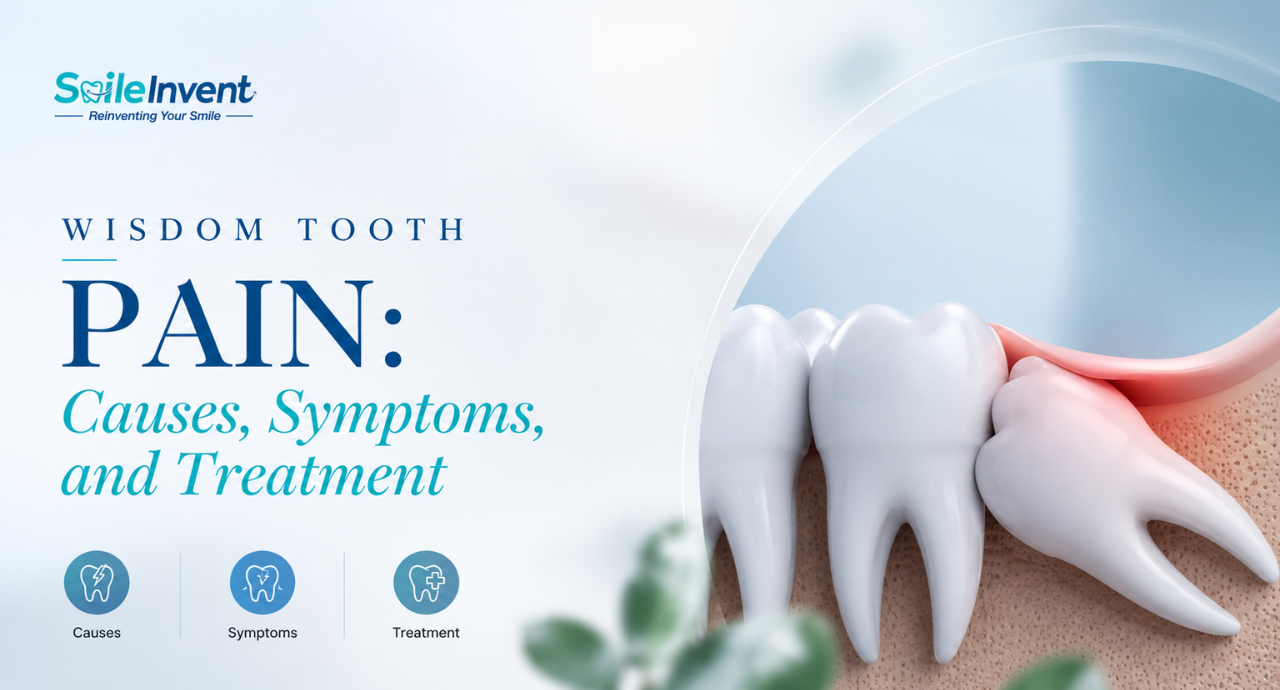
Impacted wisdom teeth are wisdom teeth that do not have enough space to grow normally. Instead of erupting fully, they may stay trapped inside the jawbone or beneath the gums. In some cases, only a small part of the tooth becomes visible, making it difficult to keep the area clean. This creates the perfect place for food particles and bacteria to collect, which can lead to pain, swelling, infection, and bad breath. Regular teeth cleaning and good oral hygiene can help reduce the buildup of plaque and bacteria around the affected area. Impacted wisdom teeth are one of the most common reasons people experience persistent wisdom tooth pain.
The way a wisdom tooth is positioned also affects the type of problems it can cause. A tooth growing sideways may press against the neighboring tooth, while a partially erupted tooth can irritate the surrounding gums. If left untreated, impacted wisdom teeth may increase the risk of tooth decay, gum disease, cyst formation, and damage to nearby teeth. Early diagnosis with a dental examination and X rays allows your dentist to recommend the best treatment before the condition becomes more painful.
Wisdom tooth pain does not always have the same cause. For some people, the discomfort lasts only a few days while the tooth is erupting. For others, the pain continues because of infection, pressure on nearby teeth, or other dental problems. Finding the exact cause is the first step toward choosing the right treatment.
Impacted wisdom teeth are one of the most common reasons for wisdom tooth pain. When there is not enough space in the jaw, the tooth cannot erupt properly and may remain trapped under the gums or jawbone. This puts pressure on the surrounding tissues and nearby teeth, leading to pain and swelling.
A partially erupted wisdom tooth creates a small flap of gum where food particles and bacteria can get trapped. This can cause an infection called pericoronitis, which often leads to swollen gums, redness, tenderness, bad breath, and difficulty chewing. If left untreated, the infection may spread to the surrounding gums, making Scaling and Root Planing necessary to remove plaque and bacteria from below the gum line and improve gum health.
Wisdom teeth are located at the back of the mouth, making them difficult to clean. If plaque builds up around these teeth, cavities can develop. Tooth decay in a wisdom tooth may cause sensitivity, pain while eating, or discomfort that spreads to the jaw.
A wisdom tooth growing at an angle may push against the neighboring molar. This pressure can cause pain, crowding, and damage to the adjacent tooth. In some cases, it may also affect the alignment of other teeth.
Although less common, an impacted wisdom tooth can sometimes lead to the formation of a cyst around the tooth. As the cyst grows, it may damage the surrounding bone, nearby teeth, or nerves. Early diagnosis helps prevent these complications.
Poor cleaning around wisdom teeth allows plaque and bacteria to collect along the gum line. Over time, this can lead to gum disease, causing swollen, bleeding, and painful gums. If left untreated, the infection may spread and affect the supporting tissues around the tooth. Removing tartar from your teeth can also help reduce plaque buildup and support healthier gums.
The signs and symptoms of wisdom tooth pain can vary from person to person. Some people experience only mild discomfort when the tooth starts to erupt, while others may develop severe pain because of an infection or an impacted wisdom tooth. The symptoms may appear gradually or suddenly, depending on the underlying cause.
If you notice any of the following signs, it is a good idea to schedule a dental checkup before the problem becomes more serious.
An infected wisdom tooth needs prompt dental treatment because the infection can spread if left untreated. Watch for these symptoms:
If your gum is swollen because of a wisdom tooth, do not ignore it even if the pain is mild. Swelling is often a sign that bacteria have entered the area around the tooth. Early treatment can help prevent the infection from worsening and reduce the need for more complex dental procedures.
If your wisdom tooth has just started hurting, a few simple home remedies may help reduce the discomfort for a short time. These methods can ease pain and swelling, but they cannot correct an impacted wisdom tooth or treat an infection. If your pain lasts for more than two days, keeps coming back, becomes severe, or is accompanied by swelling, fever, or difficulty swallowing, seek professional dental care without delay.
Mix half a teaspoon of salt in a glass of warm water and rinse your mouth for about 30 seconds. This helps clean the area, reduces bacteria, and can soothe swollen gums.
Place an ice pack or a cold compress on the outside of your cheek for 15 to 20 minutes. This may help reduce swelling and temporarily numb the pain.
Over the counter pain relievers such as ibuprofen or paracetamol may help reduce pain and inflammation. Always follow the recommended dosage or take them as advised by your dentist or doctor.
Brush your teeth gently and clean around the wisdom tooth as much as possible. Removing trapped food particles can help lower the risk of infection.
Choose foods like yogurt, soup, mashed potatoes, rice, or smoothies until the pain settles. Avoid hard, crunchy, spicy, or very hot foods that may irritate the affected area.
Drink plenty of water throughout the day. A dry mouth allows bacteria to multiply more easily, while good hydration helps keep your mouth cleaner.
While trying to relieve wisdom tooth pain at home, avoid chewing on the affected side of your mouth. Do not smoke or use tobacco products because they can slow healing and increase the risk of infection. Also, avoid placing aspirin directly on the gums, as it may burn the soft tissue instead of relieving the pain.
If home remedies do not provide lasting relief, a dental examination is the best next step. Your dentist will check the affected area, review your symptoms, and may recommend a dental X ray to see the position of the wisdom tooth. The right treatment depends on what is causing the pain, whether it is an infection, tooth decay, gum inflammation, or an impacted wisdom tooth.
If food particles and plaque have collected around a partially erupted wisdom tooth, your dentist may clean the area thoroughly. This helps reduce irritation, lowers the risk of infection, and makes it easier to keep the area clean at home.
If an infection is present, your dentist may prescribe antibiotics to control the infection. Pain relieving medicines or anti inflammatory medication may also be recommended to reduce discomfort while the affected area heals.
If the wisdom tooth has a cavity or the surrounding gums are infected, your dentist will recommend the appropriate treatment. This may include cleaning the infected area, treating the cavity, or managing the gum infection before deciding whether the tooth should be removed.
If the wisdom tooth is impacted, repeatedly causes pain, damages nearby teeth, or leads to frequent infections, wisdom teeth removal is often the best long term solution. The procedure is performed under local anesthesia, and your dentist will explain the steps involved before treatment. Removing a problematic wisdom tooth not only relieves pain but also helps prevent future dental complications.
No. Wisdom teeth do not always need to be removed. If they have enough space to grow properly, are healthy, and can be cleaned easily, your dentist may simply monitor them during regular checkups. Many people keep their wisdom teeth for life without experiencing any pain or dental problems.
Removal is usually recommended when wisdom teeth become impacted, cause repeated infections, damage nearby teeth, or make it difficult to maintain good oral hygiene. Your dentist will examine your mouth and review dental X rays before deciding whether wisdom teeth removal is the right option for you.
The decision to remove a wisdom tooth is based on your symptoms, the position of the tooth, and your overall oral health. An early dental evaluation can help prevent more serious problems and allow treatment to be planned before the pain becomes severe.
If your dentist recommends wisdom teeth removal, knowing what to expect can make the procedure feel much less stressful. Wisdom tooth extraction is a common dental procedure, and most people recover well when they follow their dentist's aftercare instructions.
Your dentist will examine your mouth and take a dental X ray to check the position of the wisdom tooth, its roots, and the surrounding bone. This helps determine the safest way to remove the tooth.
Before the procedure begins, the area around the tooth is numbed with local anesthesia. You will remain awake during the treatment but should not feel pain. In some cases, sedation may be recommended for patients with multiple impacted wisdom teeth or dental anxiety.
If the tooth has fully erupted, it can usually be removed with dental instruments. For impacted wisdom teeth, your dentist or oral surgeon may make a small incision in the gum to access the tooth. In some cases, the tooth is divided into smaller pieces to make the removal easier.
After the tooth is removed, the area is cleaned thoroughly. If needed, dissolvable stitches may be placed to help the gums heal properly. A gauze pad is then placed over the extraction site to control bleeding.
Mild pain, swelling, and slight bleeding are normal during the first few days after the procedure. Applying a cold compress, eating soft foods, taking prescribed medicines, and following your dentist's instructions can help speed up recovery. Most people return to their normal routine within a few days, while complete healing of the extraction site may take several weeks.
Mild discomfort while a wisdom tooth is erupting is common, but some symptoms should never be ignored. If the pain becomes severe or is accompanied by signs of infection, delaying treatment can lead to more serious dental problems. Contact your dentist as soon as possible if you notice any of the following warning signs:
Early treatment can prevent the infection from spreading and reduce the risk of complications. If you experience difficulty breathing, severe facial swelling, or trouble swallowing, seek emergency medical care immediately, as these symptoms may indicate a serious infection that requires urgent attention.
You cannot always prevent wisdom tooth pain, especially if there is not enough space for the teeth to erupt properly. Still, good oral hygiene and regular dental checkups can reduce the risk of infection, tooth decay, and other problems. Taking these simple steps can lower the chances of developing painful wisdom tooth problems and help keep your teeth and gums healthy for years to come.
Choosing the right dental clinic is just as important as deciding to have your wisdom tooth removed. At Smile Invent Dental Clinic, we provide personalized care backed by experienced dentists, modern technology, and a patient first approach. Every treatment begins with a detailed dental examination and digital X rays to understand the exact position of your wisdom tooth and recommend the most suitable treatment. Whether you have an impacted wisdom tooth, an infection, or recurring wisdom tooth pain, our team focuses on providing safe, effective, and comfortable care tailored to your needs.
If you are looking for the best dentist in Mumbai for wisdom tooth removal, Smile Invent Dental Clinic offers the expertise and support you need throughout your treatment journey. We explain every step of the procedure, answer your questions, and provide complete guidance before and after the extraction to help you recover comfortably. Our goal is not just to remove the painful tooth but to protect your long term oral health and make your dental experience as stress free as possible.
Wisdom tooth pain can feel like a dull ache, sharp pain, or throbbing discomfort at the back of the mouth. It may spread to the jaw, ear, or head, especially if the tooth is impacted or infected.
Mild pain may last a few days while the tooth is growing. If the tooth is impacted or infected, the pain may continue until you receive proper dental treatment.
3. Do all wisdom teeth need surgery?No. Surgery is only needed if the wisdom tooth is impacted, infected, causing pain, or affecting nearby teeth. Healthy wisdom teeth may not need to be removed.
4. Can wisdom teeth be removed under local anesthesia?Yes. Most wisdom tooth extractions are done under local anesthesia, so you stay awake but do not feel pain during the procedure.
5. Will removing a wisdom tooth affect eyesight or hearing?No. Wisdom tooth removal does not affect your eyesight or hearing. This is a common myth and has no scientific basis.
6. Can people with diabetes or high blood pressure have wisdom tooth removal?Yes, if the condition is well controlled. Your dentist will review your medical history before planning the procedure.
7. Can I have a wisdom tooth removed if I take blood thinners?Yes, but tell your dentist about all the medicines you take. Never stop taking blood thinners without your doctor's advice.
It is best to avoid long trips for the first 24 to 48 hours. This gives your mouth time to start healing and helps avoid complications.
Now you know that Wisdom Tooth Pain is not something you should ignore. It may start as a mild ache, but it can become more painful if it is caused by an impacted wisdom tooth, infection, or other dental problem. While home remedies can offer temporary relief, they cannot treat the underlying cause. Getting the right diagnosis early can help you avoid bigger dental issues in the future.
If you are experiencing wisdom tooth pain, swollen gums, or discomfort while chewing, do not wait for the pain to get worse. Visit Smile Invent Dental Clinic for a proper evaluation and personalized treatment. Our experienced dentists are here to help you find lasting relief and keep your smile healthy.

Walk into any supermarket or pharmacy and you will find toothpast...
Read More
Wearing braces can make your daily brushing routine a little more...
Read More
Have you ever noticed a small white mark on your tooth while look...
Read More