




A damaged or weak tooth can make even simple things like eating or smiling uncomfortable. Sometimes the tooth is not completely gone, but it’s not strong enough to function normally. That’s where a dental crown comes in. It acts like a protective cover that restores the shape and strength of your tooth, so you can use it again without worry.
Many people ignore small cracks or cavities at first, but over time, these problems can get worse and lead to bigger treatments. A dental crown is often suggested before things reach that stage. It not only protects the tooth but also improves how your smile looks, which is important for confidence too.
If you’ve been told you might need a crown, or you’re simply trying to understand your options, this guide will walk you through everything in a clear and easy way. We’ll also talk about dental crown cost, types, and what you can expect during the procedure.
What is a Dental Crown?
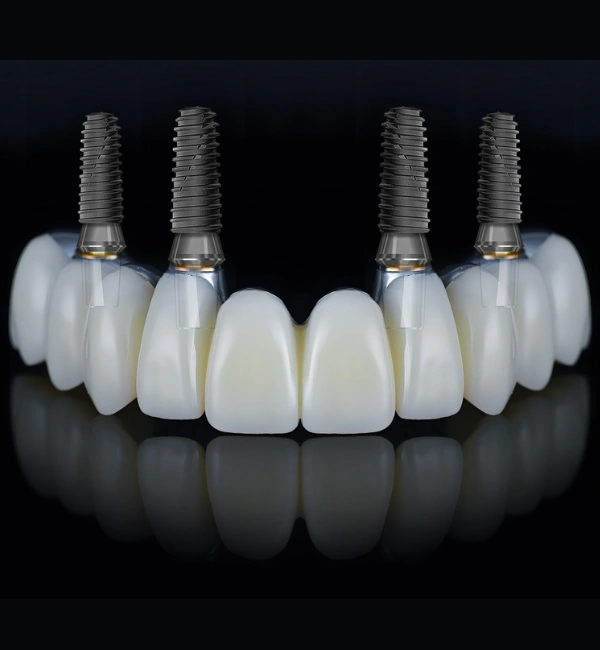
A dental crown is a cap that is placed over a damaged or weak tooth to restore its shape, strength, and appearance. It covers the entire visible part of the tooth, so it looks and works like a natural one. Once the crown is fixed, you can bite, chew, and smile without discomfort.
Dentists usually suggest a crown when a tooth is not strong enough to hold a filling. This often happens in cases of deep decay, cracks, or even after a root canal treatment, where the tooth becomes weaker over time. A crown acts like a protective layer, holding the tooth together and preventing further damage.
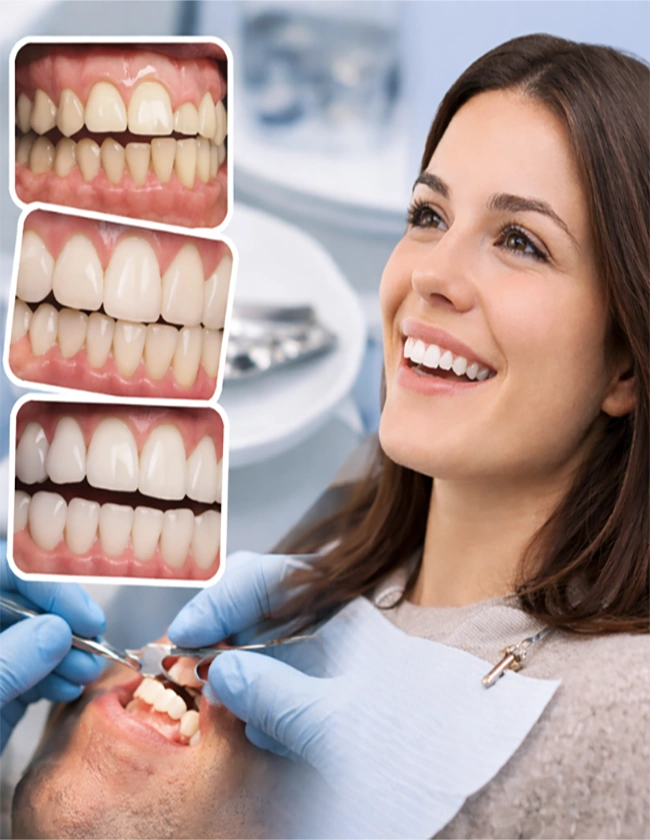
It’s not just about protection. A dental crown also improves how your tooth looks. If a tooth is discolored, uneven, or worn down, a crown can give it a clean and natural finish. That’s why many people choose crowns to fix both dental problems and their smile.
When Do You Need a Dental Crown?
You may need a dental crown when your tooth is damaged but still can be saved. Many people think extraction is the only option, but in most cases, a crown can protect the tooth and keep it working normally for years.
Here are some common situations where a dental crown is recommended:
- A cracked or broken tooth
- Severe tooth decay or a large cavity
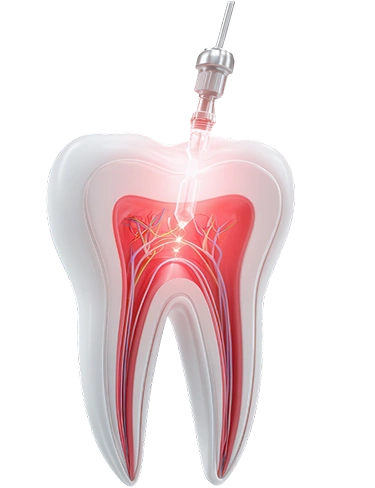
- After a root canal treatment to protect the weakened tooth
- A worn-down tooth due to grinding
- To improve the look of a discolored or uneven tooth
Sometimes the damage is not very visible, but you might feel sensitivity or pain while eating. That’s usually a sign that the tooth is not strong anymore. In such cases, a dental crown helps cover and support the tooth before the problem becomes worse.
Getting a crown at the right time can save you from bigger treatments later. It keeps your natural tooth safe and helps you avoid discomfort while eating or speaking.
Types of Dental Crowns
There are different types of dental crowns, and each one is designed for a specific need. Some focus more on strength, while others are better for a natural look. The right choice depends on which tooth needs treatment, how visible it is, and your budget.
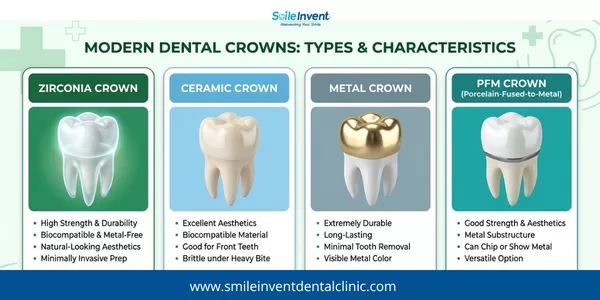
Your dentist will usually guide you, but having a basic idea helps you make a better decision. Here are the most common types of dental crowns used today:
1. Zirconia Crowns
Zirconia crowns are strong and long-lasting. They look very natural, which makes them a popular choice for both front and back teeth. These crowns can handle strong biting pressure, so they are often used for molars. They are slightly higher in cost, but many people prefer them because of their durability and clean finish.
2. Ceramic Crowns
Ceramic crowns are mainly used for front teeth because they match the natural color of your teeth very well. If your main concern is appearance, this is a good option. They are not as strong as zirconia, but they give a very natural smile.
3. Metal Crowns
Metal crowns are made from materials like gold or other alloys. They are extremely strong and rarely break, but they don’t look like natural teeth. That’s why they are usually used for back teeth where they are not visible.
4. PFM (Porcelain-Fused-to-Metal) Crowns
PFM crowns have a metal base with a porcelain coating on top. This gives a balance of strength and appearance. They look like natural teeth from the outside but are stronger than full ceramic crowns. However, over time, the metal layer may become slightly visible near the gums.
Benefits of Dental Crowns
A dental crown is not just about fixing a damaged tooth. It gives both functional and cosmetic benefits, which is why dentists often recommend it when a tooth cannot be treated with a simple filling.
1. Restores Strength of the Tooth
A weak or cracked tooth can break easily while eating. A crown covers the tooth completely and holds it together, so you can bite and chew without fear. This is especially helpful for back teeth that handle more pressure.
2. Improves Appearance
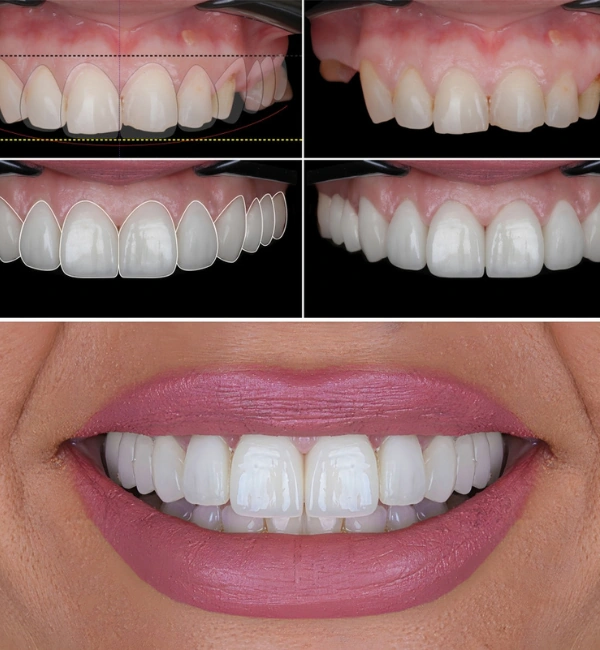
If a tooth is discolored, uneven, or damaged, a crown can make it look natural again. It blends well with your other teeth, so your smile looks clean and balanced. In some cases, treatments like digital smile design can also help you plan and achieve an even better smile.
3. Protects After Major Treatments
After procedures like a root canal, the tooth becomes weaker. A crown protects it from breaking and keeps it stable for long-term use.
4. Long-Lasting Solution
Dental crowns are designed to last for many years with proper care. They are a reliable option if you want a solution that doesn’t need frequent replacement.
5. Helps in Comfortable Eating
When a tooth is damaged, chewing can be painful or uncomfortable. A crown restores proper function, so you can eat normally without sensitivity or pain.
Dental Crown vs Filling vs Veneer
A dental crown, filling and veneer all restore or improve a tooth, but they are used for different situations. The right option depends on how much of the tooth is damaged and whether the main goal is restoring function, protecting the tooth or improving its appearance.
Crown vs Filling
A filling is generally used when the damaged or decayed area can be repaired without covering the whole tooth. A crown may be recommended when a tooth has lost more structure and needs greater protection.
For example, a small cavity may only need a filling, while a severely damaged tooth may need a crown to restore its strength and function.
Crown vs Veneer
A dental crown covers the entire visible portion of the tooth, while a veneer is a thin covering placed mainly on the front surface. Veneers are generally used for cosmetic changes, while crowns are primarily used to restore and protect weakened or damaged teeth.
If a tooth is healthy but has a cosmetic concern, a veneer may be considered. If the tooth is significantly weakened or damaged, a crown may be more appropriate.
Your dentist will examine the tooth and recommend the treatment that best suits its condition, your bite and your dental needs.
Dental Crown Procedure (Step-by-Step)
Getting a dental crown is a simple and common procedure. It usually takes two visits, and each step is planned to make sure the crown fits perfectly and feels natural.
1. Consultation and Examination
The dentist first checks your tooth and may take an X-ray to understand the condition. This helps decide if a crown is the right solution or if any other treatment is needed before that.
2. Tooth Preparation
The damaged tooth is gently reshaped to make space for the crown. If the tooth is weak or broken, it may be built up first so that the crown can sit properly.
3. Impression or Digital Scan
After shaping the tooth, an impression or digital scan is taken. This is used to create a crown that matches your tooth size, shape, and bite.
4. Temporary Crown Placement
A temporary crown is placed to protect your tooth while the permanent one is being made. You can use your tooth normally, but it’s better to avoid very hard or sticky foods during this time.
5. Final Crown Placement
In the next visit, the temporary crown is removed and the permanent crown is fixed in place. The dentist checks the fit and bite, and once everything feels comfortable, the crown is cemented securely.
After the procedure, the crown looks and feels very similar to your natural tooth. It matches your other teeth, so your smile looks normal and balanced. In the first few days, you may notice a slight difference while biting or some mild sensitivity. This is normal and settles quickly as your mouth adjusts. Soon, you can eat, speak, and smile comfortably just like before, with no major changes to your daily routine.
Recovery & How Long It Takes to Feel Normal
After getting a dental crown, recovery is usually quick and simple. Most people don’t need much downtime and can continue their normal routine the same day. You might feel slight numbness for a few hours after the procedure, especially if local anesthesia was used.
In the first 2–3 days, it’s common to notice mild sensitivity while eating or drinking, especially with hot or cold items. Some people also feel a small difference in their bite. This usually settles as your mouth adjusts to the new crown. If the bite still feels uncomfortable after a few days, your dentist can easily correct it.
Within a week, the crown starts to feel completely natural. You can eat normally, speak comfortably, and won’t even notice it’s there. If you’re planning to get one, you can also explore our dental crown treatment to understand the process and options available. Just avoid very hard or sticky foods in the beginning and maintain good oral hygiene for smooth recovery.
Are Dental Crowns Painful?
Getting a dental crown is usually not painful because the dentist uses local anesthesia to numb the area before preparing the tooth. You may still feel some pressure or movement during the procedure, but you should not feel sharp pain. If you feel uncomfortable during treatment, tell your dentist so they can check the anesthesia and keep you comfortable.
After the crown is placed, you may notice mild sensitivity or tenderness, especially when eating or drinking something hot or cold. This usually improves as your mouth adjusts to the crown. Some people may also notice mild soreness around the gum for a few days.
If you have persistent or severe pain, increasing sensitivity, or discomfort when biting, contact your dentist. These symptoms may need to be checked to make sure the crown fits properly and that there is no underlying problem with the tooth.
Risks & Possible Complications
A dental crown is a safe and commonly done treatment, and most people don’t face any major problems. It is designed to protect your tooth and improve its function, so in most cases, the results are smooth and long-lasting.
That said, like any dental procedure, a few minor issues can happen in the beginning. These are usually temporary and part of the normal adjustment phase. Your mouth needs a little time to get used to the new crown, especially while eating or drinking.
The good part is that most of these problems are easy to manage or fix with a quick dental visit. With proper care and regular checkups, you can use your crown comfortably for many years.
1. Tooth Sensitivity
You may feel sensitivity to hot or cold foods after the procedure. This is normal and usually goes away within a few days.
2. Discomfort While Biting
If the crown feels slightly high, you might feel discomfort while chewing. Your dentist can adjust it easily.
3. Loose Crown
Over time, the cement holding the crown may weaken, which can make the crown feel loose. This can be fixed by re-cementing.
4. Crown Falling Off
In some cases, the crown may come off due to wear or improper fit. It can be placed back securely by your dentist.
5. Gum Irritation
You may notice slight redness or irritation around the gums near the crown. This usually improves with good oral hygiene.
Aftercare & Maintenance Tips
Taking care of your dental crown is simple, but it makes a big difference in how long it lasts. A crown can stay strong for many years if you follow basic oral care and avoid habits that can damage it.
1. Maintain Good Oral Hygiene
Brush your teeth twice a day and floss regularly. Even though the crown itself cannot decay, the area around it can still develop cavities if not cleaned properly.
2. Avoid Very Hard or Sticky Foods
Try not to bite on hard items like ice or very sticky foods like chewing gum, especially in the first few days. These can put extra pressure on the crown and may loosen it over time.
3. Don’t Use Teeth as Tools
Avoid using your teeth to open packets or bottles. This habit can damage both your natural teeth and the crown.
4. Visit Your Dentist Regularly
Regular checkups help ensure that your crown is in good condition. Your dentist can spot any small issue early before it becomes a bigger problem.
5. Wear a Mouthguard if Needed
If you have a habit of grinding your teeth, especially at night, a mouthguard can protect your crown from unnecessary pressure and damage.
How Smile Invent Dental Clinic Helps with Dental Crown Treatment
At Smile Invent Dental Clinic, getting a dental crown is a smooth and comfortable experience. The focus is not just on treatment, but also on making sure you feel confident and informed at every step. From the first consultation to the final placement, everything is planned based on your tooth condition and comfort.
The clinic uses modern techniques and quality materials to make sure your crown looks natural and fits properly. Whether you need it after a root canal or for a damaged tooth, the treatment is done with attention to detail so that it lasts long and feels comfortable while eating or speaking.
If you’re planning to restore your tooth, it’s always a good idea to visit a trusted dentist in Mumbai who can guide you properly. At Smile Invent, you get the right advice, clear explanation of your options, and care that is focused on long-term results.
FAQs
1. Are dental crowns painful?
Dental crowns are not painful because the procedure is done under local anesthesia. You may feel slight sensitivity for a few days after, but it usually goes away quickly.
2. How long do dental crowns last?
Dental crowns usually last 10 to 15 years or more with proper care. Regular brushing, flossing, and dental checkups help increase their lifespan.
3. What’s the most common alternative to a crown?
For minor damage, fillings or inlays/onlays can be used. If the tooth is badly damaged or missing, options like dental implants or bridges may be recommended.
4. How much does a crown cost?
The dental crown cost depends on the material, tooth condition, and clinic. Zirconia and ceramic crowns are usually more expensive than metal ones.
5. Can I eat normally with a crown?
Yes, once the crown is properly placed, you can eat normally. It’s best to avoid very hard or sticky foods in the first few days.
Conclusion
A dental crown is a simple and effective way to protect and restore a damaged tooth. If you were wondering what is a dental crown, it’s basically a strong cap that brings back the shape, function, and appearance of your tooth so you can eat and smile comfortably again.
From understanding when you need it to knowing the types, benefits, and dental crown cost, having the right information helps you make a better decision. With proper care, a dental crown can last for many years and save your natural tooth from further damage.
If you’re facing any tooth issue or thinking about getting a crown, it’s always better to get the right advice early. A quick consultation can help you understand the best option for your dental health and avoid bigger problems later.
This article is general information, not a diagnosis. For advice about your own teeth, book a consultation.