


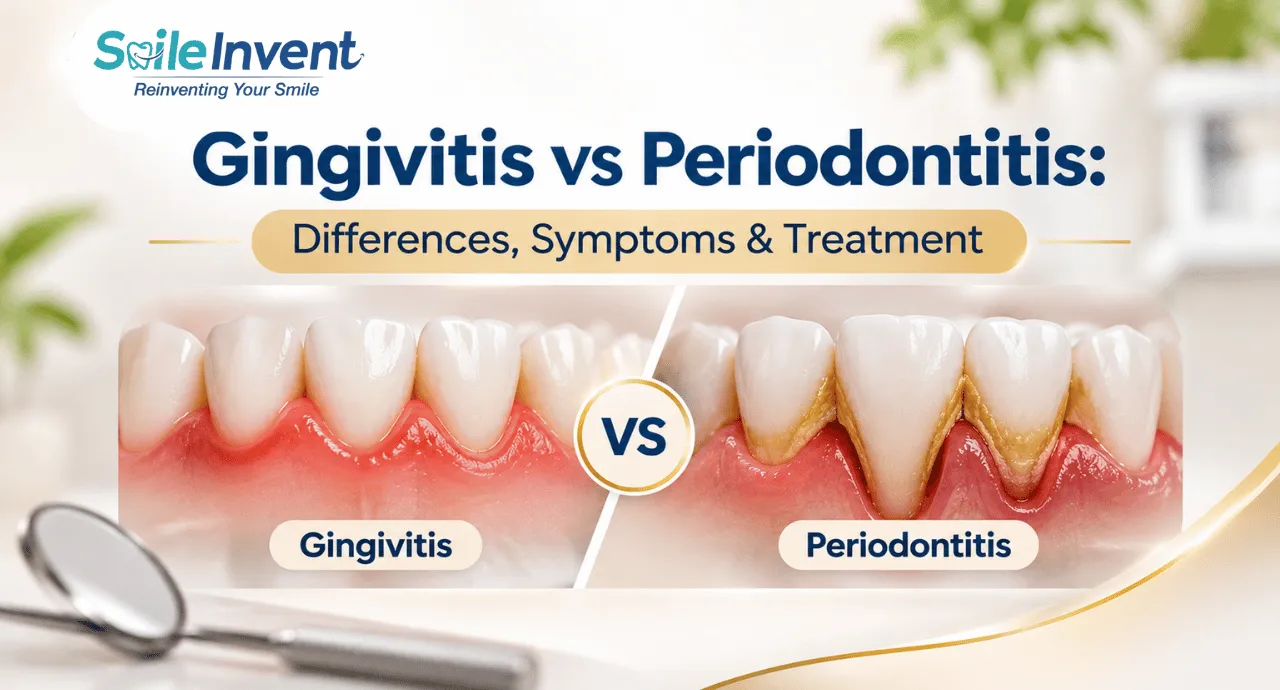
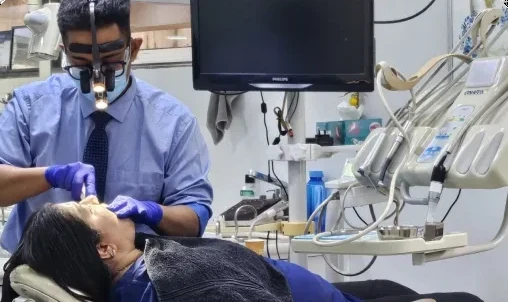


Gum problems often start with small signs, such as bleeding while brushing, red gums or bad breath. Many people ignore these symptoms because they do not cause much pain at first. But they can be early signs of gum disease. Two common conditions are gingivitis and periodontitis. Although both affect gum health, they are not the same. Gingivitis is an early stage of gum disease that causes gum inflammation, while periodontitis is a more advanced condition that can damage the tissues and bone supporting your teeth.
So, what is the actual difference between gingivitis vs periodontitis? Can early gum disease be reversed, and what happens if it is left untreated? Knowing the difference can help you recognise warning signs and seek dental care at the right time. In this guide, we will explain the causes, symptoms, differences and treatment options for both conditions, so you can make better decisions about your gum health.
What Is Gingivitis?
Gingivitis is the early stage of gum disease that causes inflammation of the gums. It usually develops when plaque, a sticky layer of bacteria, builds up around the teeth and along the gum line. If plaque is not removed through regular brushing and flossing, it can irritate the gums and cause redness, swelling and bleeding. You may notice blood while brushing or flossing, even if your teeth do not hurt. This is why many people overlook gingivitis in its early stages.
The good news is that gingivitis is usually reversible with proper dental care. Professional cleaning helps remove plaque and hardened tartar, while regular brushing and flossing prevent further buildup. At this stage, the infection has not damaged the bone supporting your teeth. But if gum inflammation is ignored, it can progress to a more serious condition called periodontitis. That's why it is better to get bleeding or swollen gums checked rather than waiting for the symptoms to become worse.
What Is Periodontitis?
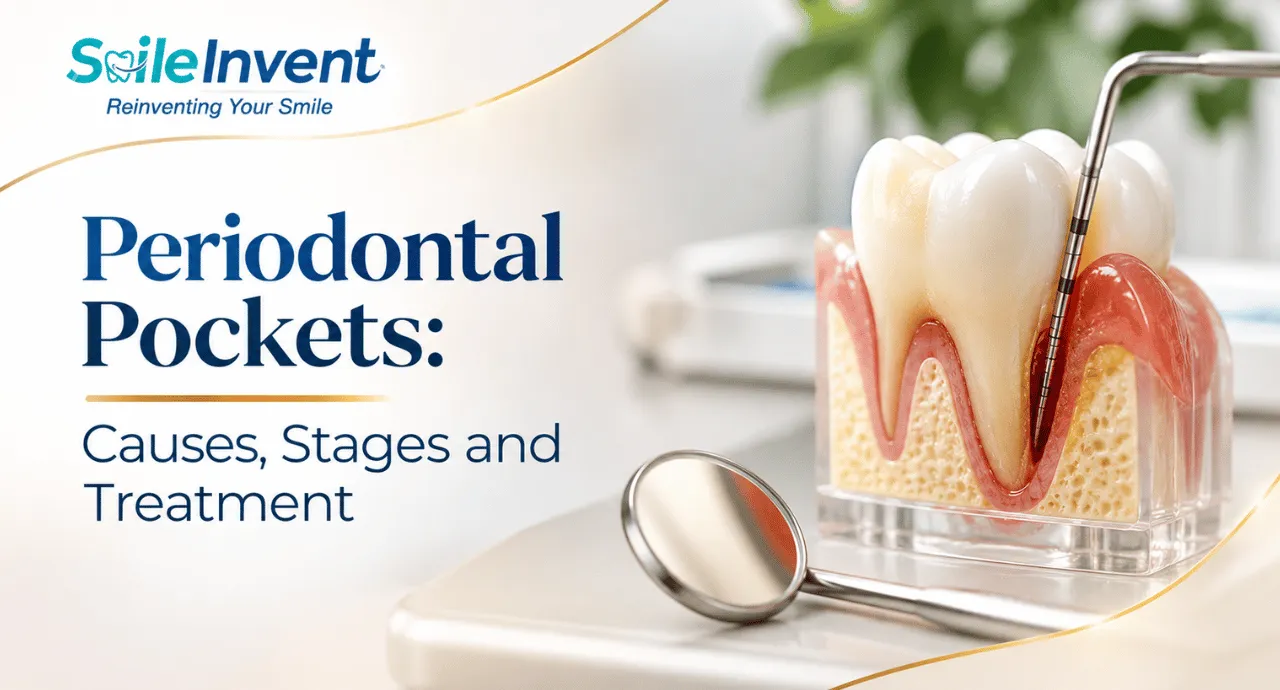
Periodontitis is an advanced form of gum disease that affects the gums and the bone supporting your teeth. It usually develops when gingivitis is left untreated and bacteria spread below the gum line. As the infection progresses, the gums start pulling away from the teeth, creating deeper spaces called periodontal pockets.
Common signs of periodontitis include:
Bleeding or swollen gums
Persistent bad breath
Gums pulling away from the teeth
Pus between the teeth and gums
Loose or shifting teeth
Discomfort while chewing
Unlike gingivitis, periodontitis can cause permanent damage to the supporting bone and tissues. Treatment can control the infection and prevent further damage, but lost bone and gum tissue may not fully recover.
Gingivitis vs Periodontitis: What Are the Key Differences?
Gingivitis and periodontitis are two stages of gum disease, but they affect your gums in different ways. Gingivitis causes inflammation of the gums without damaging the bone or supporting tissues around the teeth. Periodontitis is more advanced and can damage these supporting structures if left untreated.
Here is a simple comparison to understand the difference between gingivitis and periodontitis:
The main difference: Gingivitis affects the gums and is usually reversible. Periodontitis affects the gums and the supporting bone, making early diagnosis and treatment important.
What Causes Gingivitis and Periodontitis?
The main cause of both gingivitis and periodontitis is plaque buildup on the teeth. Plaque is a sticky layer of bacteria that forms on teeth throughout the day. When it is not removed through regular brushing and flossing, it can irritate the gums and cause inflammation. Over time, plaque can harden into tartar, which cannot be removed with a regular toothbrush and requires professional dental cleaning. This plaque buildup and gum disease connection is important because untreated gum inflammation can sometimes progress to more serious problems.
Common causes and risk factors include:
Poor oral hygiene: Inadequate brushing and flossing allow plaque to collect around the teeth and gum line.
Tartar buildup: Hardened plaque creates a surface where bacteria can collect and irritate the gums.
Smoking and tobacco use: Tobacco can increase the risk of gum disease and affect the healing of gum tissues.
Diabetes: Poorly controlled blood sugar can increase the risk of gum infections.
Hormonal changes: Pregnancy and other hormonal changes can make gums more sensitive to plaque.
Certain medications: Some medicines can reduce saliva production or cause changes in gum tissue.
Family history: Genetics can influence a person's risk of developing gum disease.
Having one or more of these risk factors does not mean you will definitely develop periodontitis. Regular dental checkups, proper brushing, flossing and professional cleaning can help control plaque and reduce the risk of gum disease.
Can Gingivitis Turn Into Periodontitis?
Yes, untreated gingivitis can progress into periodontitis. When plaque stays on the teeth for a long time, bacteria can spread below the gum line and cause a deeper infection. This can damage the tissues that hold the teeth in place, including the supporting bone.
The progression does not happen in everyone, and gingivitis does not automatically lead to periodontitis. The risk increases when gum inflammation is ignored or plaque is not controlled.
Signs that gum disease may be progressing include:
Gums that continue to bleed while brushing or flossing
Persistent bad breath
Gums pulling away from the teeth
Spaces developing between the teeth and gums
Teeth feeling loose or shifting position
Can early gum disease be stopped?
Yes. Gingivitis can usually be reversed with professional dental cleaning and consistent oral hygiene. If periodontitis has already developed, treatment can control the infection and help prevent further damage. This is why it is important to get bleeding or swollen gums checked by a dentist instead of waiting for the symptoms to become worse.
How Are Gingivitis and Periodontitis Diagnosed?
A dentist can diagnose gingivitis or periodontitis by examining your gums and checking the areas around your teeth. The dentist looks for signs such as redness, swelling, bleeding, gum recession and plaque or tartar buildup. They may also ask about your oral hygiene habits, medical history, smoking habits and any symptoms you have noticed.
Common methods used to diagnose gum disease include:
Gum examination: The dentist checks your gums for swelling, redness, bleeding and signs of infection.
Periodontal pocket measurement: A small dental probe is used to measure the space between your teeth and gums. Deeper pockets may indicate periodontitis.
Checking tooth movement: The dentist checks whether any teeth are loose or have shifted from their usual position.
Dental X-rays: X-rays may be taken to check for bone loss around the teeth, which can help identify the severity of periodontitis.
Why is early diagnosis important?
Gingivitis can often be reversed with timely treatment and proper oral hygiene. Periodontitis needs more detailed evaluation because it can damage the supporting bone and tissues. A dental examination helps identify the condition and determine the right treatment before further damage occurs.
What Are the Treatment Options for Gingivitis and Periodontitis?
The treatment for gum disease depends on how far the condition has progressed. Gingivitis usually needs professional cleaning and better daily oral care, while periodontitis may require deeper cleaning or additional dental procedures to control the infection and protect the supporting tissues.
1. Treatment for Gingivitis
Gingivitis can usually be reversed with timely treatment. The main aim is to remove plaque and tartar and reduce gum inflammation.
Common treatment options include:
Professional dental cleaning: Removes plaque and tartar from the teeth, especially around the gum line.
Improved brushing and flossing: Helps remove plaque and prevent it from building up again.
Antibacterial mouthwash: A dentist may recommend a suitable mouthwash to help control bacteria.
Regular dental checkups: Help monitor gum health and prevent inflammation from returning.
2. Treatment for Periodontitis
Periodontitis requires more detailed treatment because the infection affects the tissues and bone supporting the teeth. The dentist will recommend treatment based on the severity of the condition.
Common treatment options include:
Scaling and root planing: A deep cleaning procedure that removes plaque and tartar from below the gum line and smooths the tooth roots.
Periodontal maintenance: Regular follow-up cleanings help control bacteria and monitor gum health.
Medication: In selected cases, the dentist may recommend medication to help control the infection.
Gum surgery: Advanced cases may need surgical treatment to reduce deep pockets or manage damaged gum tissues.
Bone or tissue regeneration: Certain procedures may help restore some of the supporting structures lost due to periodontitis, depending on the condition.
Can deep cleaning cause bleeding gums?
Some bleeding, tenderness or sensitivity may occur after scaling and root planing, especially when the gums are already inflamed. These symptoms are usually temporary. Follow your dentist's aftercare instructions and contact the clinic if bleeding is heavy, persistent or getting worse.
The most suitable treatment depends on your gum condition, pocket measurements and the amount of supporting tissue affected. Early treatment can help protect your natural teeth and reduce the risk of further damage.
Can Gingivitis and Periodontitis Be Prevented?
Yes. Good oral hygiene and regular dental checkups can help prevent gingivitis and reduce the risk of developing periodontitis. The key is to control plaque buildup before it causes inflammation or damage to the supporting tissues around your teeth.
Here are some simple ways to protect your gum health:
Brush twice a day: Use a soft-bristled toothbrush and fluoride toothpaste. Brush gently along the gum line to remove plaque.
Floss daily: Clean between your teeth to remove food particles and plaque that a toothbrush may miss.
Get regular dental cleanings: Professional cleaning helps remove hardened plaque (tartar) that cannot be removed at home.
Avoid tobacco: Smoking and tobacco use increase the risk of gum disease and can affect gum healing.
Eat a balanced diet: Include nutritious foods and limit frequent sugary snacks to support your oral health.
Manage health conditions: Keep conditions such as diabetes under control, as they can affect gum health.
Do not ignore bleeding gums: Bleeding, swelling or persistent bad breath should be checked by a dentist.
When Should You See a Dentist?
Do not ignore changes in your gums, even if they seem minor. Early signs of gum disease can be easier to treat, while delayed treatment may allow the condition to progress.
Here are some common symptoms and when you should seek dental care:
If you notice any of these symptoms, avoid waiting for them to disappear on their own. A dental examination can help identify whether you have gingivitis, periodontitis or another dental problem and guide the right treatment.
Periodontal Care at Smile Invent Dental Clinic
Healthy gums are essential for keeping your natural teeth strong. At Smile Invent Dental Clinic, patients can get dental evaluation and guidance for gum-related concerns, including bleeding gums, swelling, gum recession and signs of periodontal disease.
If you are looking for a reliable Dentist in Mumbai, it is important to choose a dental clinic that focuses on early diagnosis, appropriate treatment and long-term oral health. Regular dental checkups can help identify gum problems before they become more serious.
Whether you are experiencing early signs of gingivitis or need an evaluation for periodontitis, book a dental consultation at Smile Invent Dental Clinic in Bandra East, Mumbai, to understand your gum health and discuss suitable treatment options.
FAQ’s
1. Can periodontitis come back after treatment?
Yes. Periodontitis can become active again if plaque builds up or regular periodontal maintenance is missed. Even after successful treatment, patients need ongoing dental checkups and good oral hygiene to keep the condition under control.
2. Does periodontitis always lead to tooth loss?
No. Periodontitis does not always result in tooth loss. With timely professional treatment, proper oral care and regular maintenance, many people can keep their natural teeth for many years. The outcome depends on the severity of the disease and the amount of supporting tissue affected.
3. Can you have periodontitis without pain?
Yes. Periodontitis can develop slowly and may not cause noticeable pain in its early stages. Some people discover the condition only during a routine dental examination.
4. Does gum recession always mean you have periodontitis?
No. Gum recession can happen for reasons other than periodontitis, including brushing too aggressively. A dentist can examine your gums and supporting tissues to identify the actual cause.
5. Can gum disease develop around dental implants?
Yes. Bacteria can collect around dental implants and cause inflammation. This is known as peri-implant mucositis. If it progresses and affects the supporting bone, it is called peri-implantitis. Regular cleaning and dental checkups help monitor the tissues around implants.
6. How often should you visit a dentist after periodontitis treatment?
Follow-up visits depend on your gum health and risk of disease recurrence. Many patients need periodontal maintenance every three to six months. Your dentist or periodontist will recommend an appropriate schedule based on your condition.
Conclusion
Gingivitis and periodontitis are two stages of gum disease that should not be ignored. While gingivitis can usually be reversed with timely care, periodontitis can cause damage to the gums and supporting bone if left untreated. Understanding the difference between gingivitis vs periodontitis can help you recognise the importance of protecting your gum health.
Regular dental checkups, proper brushing and flossing, and professional cleaning can help keep your gums healthy. If you notice bleeding gums, persistent bad breath, gum recession or loose teeth, consult a dentist for an examination. Early attention can help prevent further damage and protect your natural teeth for years to come.
If you are looking for a Dentist in Mumbai, Smile Invent Dental Clinic in Bandra East can help you understand your gum health and discuss suitable dental care options.
This article is general information, not a diagnosis. For advice about your own teeth, book a consultation.