




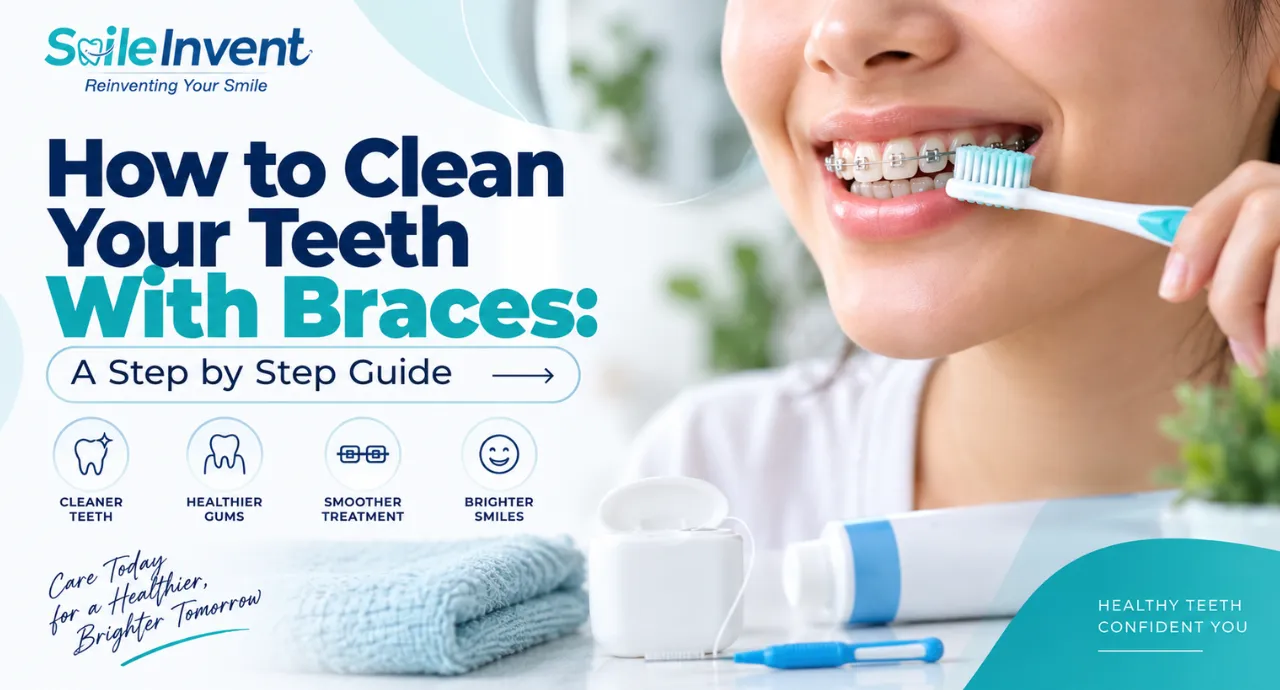
Wearing braces can make your daily brushing routine a little more difficult. Food can get stuck around the brackets and wires, while plaque can build up in areas that are harder to reach with a regular toothbrush. That is why knowing how to clean your teeth with braces is an important part of keeping your teeth and gums healthy during orthodontic treatment.
You do not need a complicated routine, but you do need to be a little more careful than usual. With the right brushing technique, regular cleaning between your teeth and a few simple habits, you can keep your teeth cleaner and reduce the risk of cavities, gum problems and white spots while wearing braces.
Why Is Oral Hygiene Important With Braces?
Braces give you a straighter smile, but they also create more places where food and plaque can collect. Brackets, wires and the small spaces around them can make regular brushing harder. If these areas are not cleaned properly, plaque can build up and increase the risk of cavities, gum problems and white spots on teeth.
Good oral hygiene with braces is not just about keeping your braces looking clean. It helps protect the teeth underneath and around the brackets throughout your treatment. A little extra time spent brushing and cleaning between your teeth each day can make a big difference by the time your braces are removed.
How Often Should You Clean Your Teeth With Braces?
When you have braces, your teeth need more frequent cleaning because food and plaque can collect around the brackets and wires. Brush at least twice a day with fluoride toothpaste, and if possible, brush after meals or snacks. Flossing at least once a day is also important because a toothbrush cannot clean properly between the teeth and around every part of the braces.
If you cannot brush after eating, especially when you are at work, college or travelling, rinse your mouth well with water and brush when you get the chance. Keeping a small toothbrush, toothpaste and floss with you can make the routine easier. The goal is to avoid leaving food and plaque around your braces for long periods, especially before going to bed.
How to Clean Your Teeth With Braces: Step by Step
Cleaning your teeth with braces takes a little more care than brushing without braces. The brackets and wires create small spaces where food and plaque can collect, so simply brushing over the front of your teeth is not enough. Take your time and clean around each bracket, along the gumline and between your teeth.
Step 1: Rinse Your Mouth First
Start by rinsing your mouth with water. This helps loosen food particles that may be stuck around the brackets and wires, making the rest of your cleaning routine easier.
Step 2: Brush Along the Gumline
Place your soft bristled toothbrush at a slight angle toward the gumline and gently brush along the area where your teeth meet your gums. Plaque can collect here even when the brackets are cleaned properly, so do not skip this area.
Step 3: Clean Above and Below the Brackets
This is one of the most important parts of brushing teeth with braces. Gently brush above each bracket and then below it, making sure the bristles reach the tooth surface around the bracket. Avoid scrubbing too hard, as excessive pressure can irritate your gums.
Step 4: Brush the Brackets and Wires
Move the toothbrush gently over the brackets and wires. Clean each bracket rather than quickly brushing across the entire row of teeth. Pay extra attention to areas where you can see food or plaque collecting.
Step 5: Clean the Inner and Chewing Surfaces
Braces are usually placed on the front of your teeth, but the other surfaces still need proper cleaning. Brush the inner surfaces and chewing surfaces of your teeth to remove plaque from areas that the brackets do not cover.
Step 6: Clean Between Your Teeth and Around the Wire
A regular toothbrush cannot reach every small space between your teeth or underneath the orthodontic wire. Use an interdental brush or another cleaning tool recommended by your dentist to gently clean these areas.
Step 7: Floss Between Your Teeth
Flossing helps clean the spaces between your teeth where plaque can remain even after brushing. With braces, you may need a floss threader or another orthodontic friendly method to guide the floss around the wire.
Step 8: Rinse and Check Your Teeth
After you finish, rinse your mouth and look at your teeth in a mirror. Check around the brackets and gumline for any food or plaque that you may have missed. If something is still stuck, clean that area again rather than leaving it until later.
What Tools Can Help You Clean Your Teeth With Braces?
Having the right tools can make cleaning teeth with braces much easier. You do not need to buy every product available, but a few simple tools can help you reach the areas around brackets, wires and between your teeth. A soft bristled toothbrush and fluoride toothpaste should form the base of your routine, while an interdental brush can help clean spaces that a regular toothbrush may miss.
Here are some useful tools to keep in your braces cleaning kit:
You can also keep a small braces cleaning kit with you when you are travelling, at work or at college. This can include a toothbrush, toothpaste, interdental brush and floss so you can clean your teeth when needed instead of waiting until you get home.
How to Floss Your Teeth With Braces
Flossing can feel a little awkward when you first get braces because the wire makes it harder to move regular floss between your teeth. But cleaning between your teeth is still important because brushing cannot reach these spaces properly. You can use a floss threader to guide the floss under the wire, then gently clean between each tooth and along the gumline. An interdental brush can also be useful for cleaning around brackets and in spaces that are difficult to reach.
Take your time and avoid snapping or pulling the floss against the wire. If regular floss feels difficult to manage, ask your dentist or orthodontist which interdental cleaning method would work best for your braces. The right method is one that you can use comfortably and consistently.
A simple way to floss with braces
- Thread the floss under the orthodontic wire.
- Gently move it between two teeth.
- Curve the floss around one tooth and clean along the gumline.
- Repeat on the other tooth.
- Carefully remove the floss and move to the next space.
- Continue until you have cleaned between all your teeth.
What Foods Should You Avoid While Wearing Braces?
Some foods can make it harder to keep your teeth clean with braces, while others can damage the brackets or wires. It is best to avoid hard, sticky, crunchy and chewy foods such as hard candy, caramel, popcorn, nuts, ice, hard chips and very crusty foods. These foods can get stuck around the braces or put too much pressure on the brackets and wires.
You do not need to stop eating all your favourite foods. In many cases, you can make them easier to eat by cutting food into smaller pieces or choosing softer versions. For example, slice apples and carrots instead of biting into them whole, and choose softer bread or cooked vegetables when possible. Sugary and acidic drinks should also be limited because they can increase the risk of enamel damage and cavities when plaque is left around the braces.
Foods to be careful with
- Hard candy and ice
- Sticky sweets such as caramel and toffee
- Popcorn and nuts
- Hard chips and pretzels
- Very crunchy raw vegetables
- Tough or chewy foods
- Sugary and acidic drinks
Common Mistakes to Avoid When Cleaning Teeth With Braces
Even with a regular brushing routine, it is easy to miss certain areas when you have braces. Some people brush only the front of the brackets, rush through their routine, or skip cleaning between the teeth because flossing feels difficult. These habits can leave plaque around the brackets and gumline, increasing the risk of cavities, gum problems and white spots on the teeth.
Here are some common mistakes to watch out for:
- Brushing too quickly: Rushing can leave plaque around the brackets and along the gumline.
- Using too much pressure: Scrubbing hard does not clean better and can irritate the gums
- Skipping the spaces around brackets: Food and plaque can collect above, below and between the brackets.
- Avoiding flossing: Brushing cannot clean properly between the teeth, so these areas can be missed.
- Not cleaning after meals when possible: Food left around braces can sit against the teeth for hours.
- Ignoring a loose bracket or wire: A damaged part of the braces should be reported to your orthodontist rather than ignored.
How to Prevent White Spots While Wearing Braces
White spots can develop around braces when plaque stays on the teeth and acids remove minerals from the enamel. The brackets and wires can make these areas harder to clean, so regular brushing and cleaning between the teeth become even more important during orthodontic treatment.
To lower the risk of white spots, brush thoroughly at least twice a day and ideally after meals, paying extra attention to the areas above and below the brackets. Clean between your teeth every day using floss, a floss threader or an interdental brush. It is also a good idea to limit frequent sugary and acidic drinks and keep up with regular dental checkups during your braces treatment.
Simple habits that can help
- Brush around every bracket and along the gumline.
- Clean between your teeth every day.
- Use fluoride toothpaste as recommended by your dentist.
- Rinse your mouth with water when you cannot brush after eating.
- Limit frequent sugary and acidic drinks.
- Do not skip regular dental checkups during orthodontic treatment.
Should You Get Professional Teeth Cleaning While Wearing Braces?
Yes, you can still get professional teeth cleaning while wearing braces. In fact, it can be helpful because brackets and wires create areas that are harder to clean properly at home. A dentist or dental hygienist can remove plaque, tartar and surface stains from areas that your toothbrush and interdental tools may not reach easily.
Professional cleaning does not replace your daily routine. You still need to brush and clean between your teeth regularly, while professional appointments can provide extra cleaning and allow your dentist to check your teeth and gums during orthodontic treatment. The frequency of these visits can vary depending on your oral health, so follow the schedule recommended by your dentist.
What If You Cannot Clean Your Teeth After a Meal?
You may not always be able to brush your teeth immediately after eating, especially when you are at work, college, school or travelling. If brushing is not possible, rinse your mouth well with water to loosen food particles around the brackets and wires. This is only a temporary step, so brush properly when you get the chance.
It can also help to carry a small oral care kit with you. A travel toothbrush, fluoride toothpaste, floss, interdental brush and a small mirror can make oral hygiene with braces much easier when you are away from home.
A simple routine when you are outside
- Rinse your mouth thoroughly with water after eating.
- Check for food stuck around the brackets and wires.
- Remove any visible food with your interdental brush if you have one.
- Brush your teeth properly when you have access to your toothbrush.
- Make sure you clean your teeth before going to bed.
When Should You See Your Dentist or Orthodontist?
Good oral hygiene with braces can prevent many problems, but some changes should not be ignored. If you notice persistent gum swelling or bleeding, unusual tooth pain, new white or brown marks around the brackets, or ongoing discomfort, speak with your dentist or orthodontist. These signs may need a professional check rather than simply changing your cleaning routine.
You should also contact your orthodontist if a bracket becomes loose or a wire moves out of place, especially if it is causing irritation. Broken or loose braces can interfere with treatment, so it is better to let your orthodontist know rather than waiting for your next scheduled appointment.
Get help if you notice:
- A loose or broken bracket
- A loose or poking wire
- Persistent tooth pain
- Swollen or bleeding gums
- New white or brown marks around the brackets
- Discomfort that does not improve
How Can Smile Invent Dental Clinic Help With Braces?
Braces treatment is easier to manage when you have the right guidance and regular dental care. At Smile Invent Dental Clinic, braces treatment is planned according to your teeth alignment, bite and overall oral health. The team also explains how to care for your teeth and braces throughout the treatment.
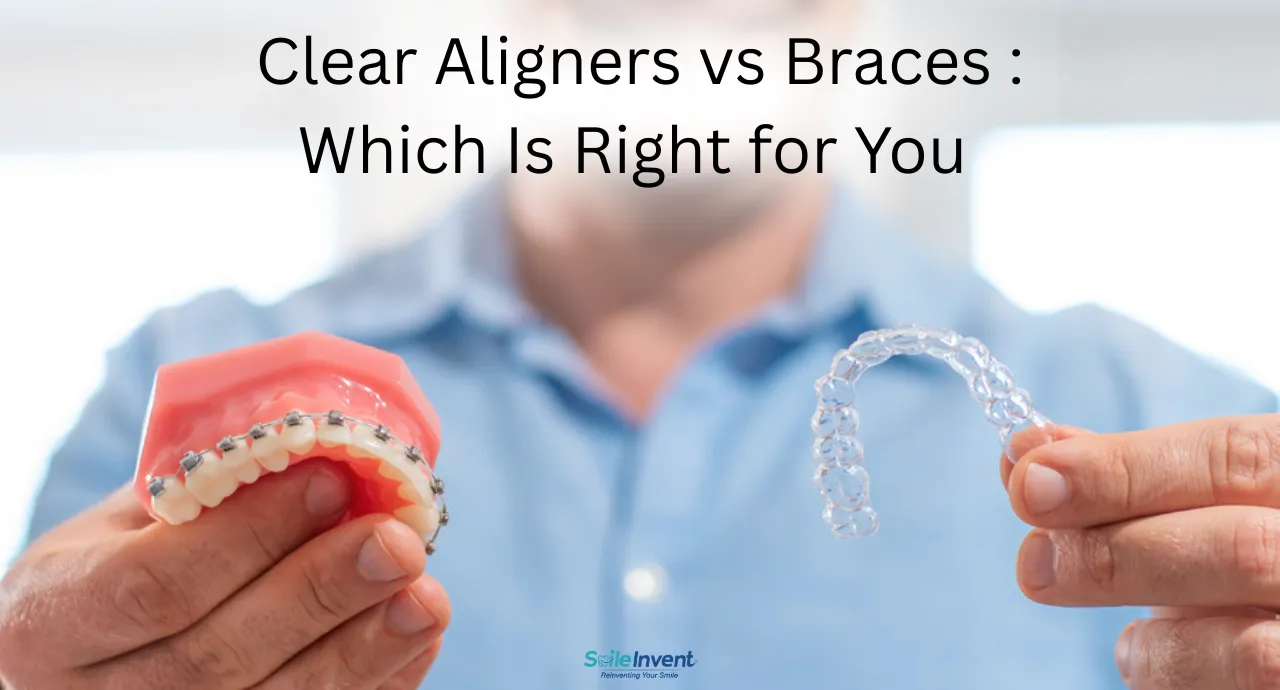
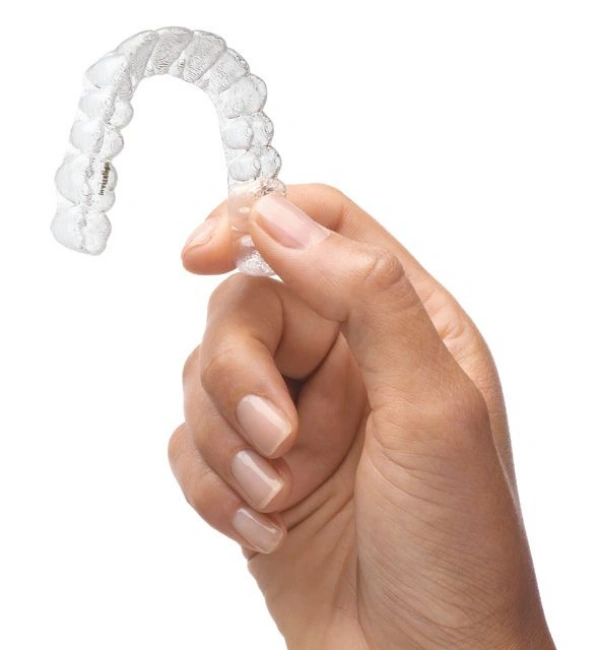
If you are looking for a dentist in Mumbai for braces, Smile Invent Dental Clinic offers different orthodontic options, including metal, ceramic and lingual braces, as well as clear aligners. Your teeth and bite are checked before treatment, and the suitable option, expected treatment time and follow up care are explained during your consultation.
FAQs
1. Can I use an electric toothbrush with braces?
Yes. An electric toothbrush can be used with braces as long as you clean gently around the brackets and gumline. The key is thorough cleaning, not whether the toothbrush is manual or electric.
2. Is it better to floss before or after brushing with braces?
Flossing before brushing may help loosen food and plaque between your teeth, allowing brushing to clean those areas afterward. The most important thing is to floss and brush thoroughly every day.
3. Can I use mouthwash with braces?
Yes, a fluoride mouthwash may be recommended during orthodontic treatment, particularly if you are at higher risk of tooth decay. Ask your dentist or orthodontist which type is suitable for you.
4. How long should I brush my teeth with braces?
Aim to brush for about two minutes each time, giving extra attention to the areas around your brackets and gumline.
5. Can I clean my braces with a water flosser?
Yes. A water flosser can help remove food and plaque from around brackets, wires and between teeth. It can be useful alongside regular brushing and interdental cleaning.
6. Why do my teeth look different after getting braces?
Changes such as white marks around brackets can occur when plaque remains on the teeth and minerals are lost from the enamel. Good daily cleaning and regular dental care can help reduce this risk.
Conclusion
Learning how to clean your teeth with braces may take a little extra time, but it does not have to be difficult. A consistent routine of brushing, cleaning between your teeth, checking around the brackets and making smart food choices can help keep your teeth and gums healthy throughout orthodontic treatment.
Your braces are working to straighten your teeth, so your daily care should work alongside the treatment. Take a few extra minutes to clean those hard to reach areas, and speak with your dentist or orthodontist if you notice any changes or problems during treatment.
This article is general information, not a diagnosis. For advice about your own teeth, book a consultation.