





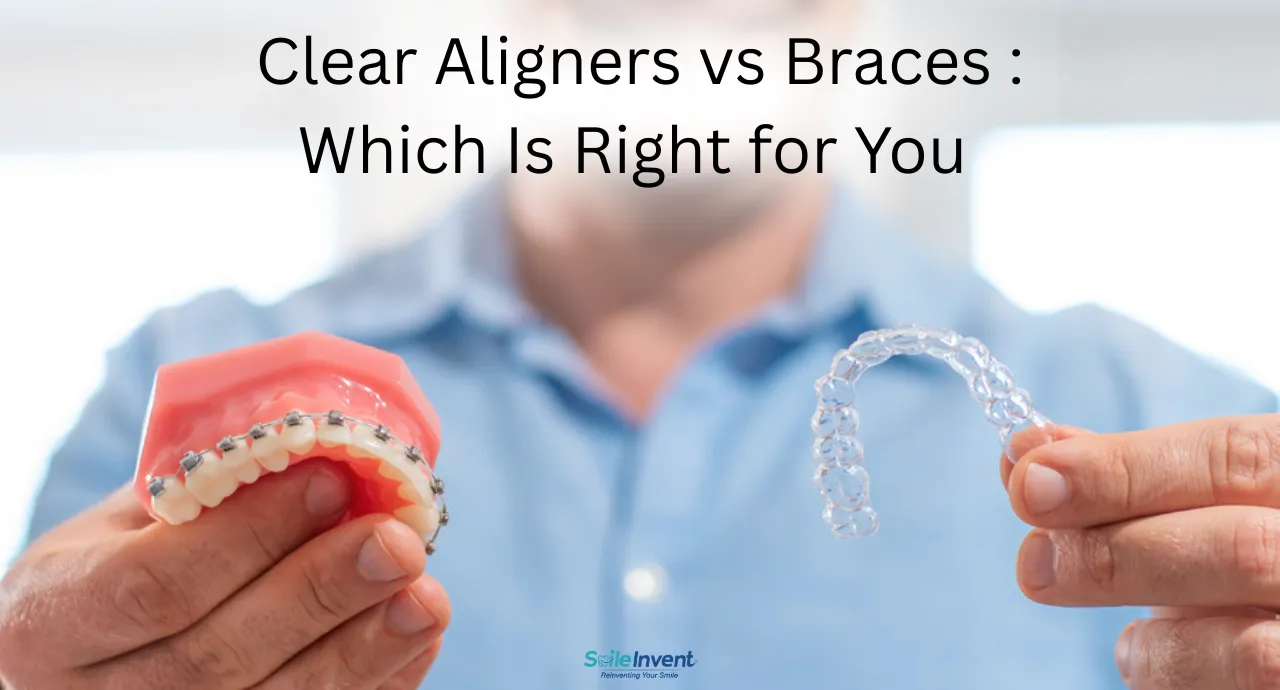
If you’re thinking about straightening your teeth, you’ve probably heard this question a lot — clear aligners vs braces, which is better? Both options work well, but they suit different people and lifestyles. Some want something invisible, others just want the most effective solution, even if it shows.
The good part is, you don’t have to guess. Once you understand how both options work and what fits your daily life, the choice becomes much easier.
What Are Braces?
Braces are the traditional way to straighten teeth. They use brackets and wires fixed on your teeth to slowly move them into the right position. You’ll need regular visits to the dentist for tightening and adjustments.
There are different types of teeth braces too. Metal braces are the most common and budget-friendly. Ceramic braces are less visible because they match your tooth color. Lingual braces sit behind your teeth, so they’re hidden. Braces are strong and can fix even complicated dental problems.
What Are Clear Aligners?
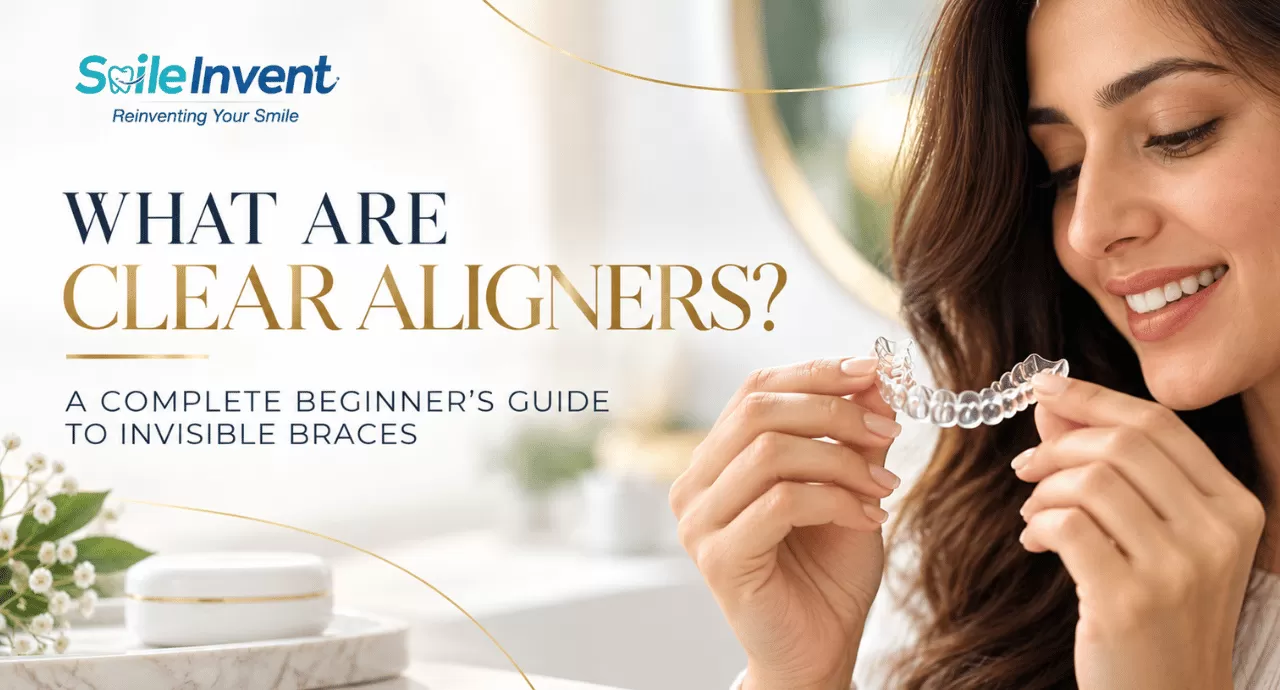
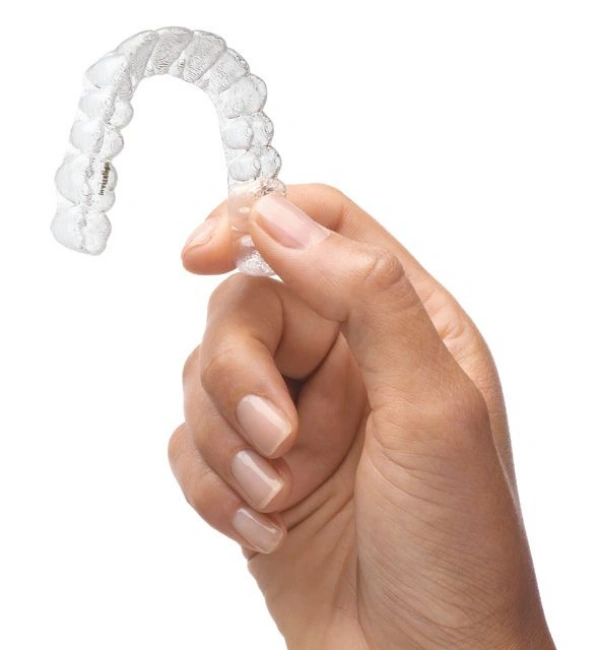
Clear aligners are transparent trays made just for your teeth. You wear them for most of the day and switch to a new set every few weeks. Each set gently shifts your teeth step by step.
They are removable, so you can take them out while eating or brushing. That’s why many adults prefer aligners. They are almost invisible and more comfortable in daily life. If you want to understand this treatment in more detail, you can also read our complete guide on what are clear aligners.
Difference Between Braces and Aligners
When comparing clear aligners vs braces, it’s not just about how they look. The real difference is in how they work, how you manage them daily, and what suits your lifestyle.
1. Fixed vs Removable
Braces are fixed on your teeth. You can’t remove them, so they keep working all the time without any effort from your side. This makes them a good option if you don’t want to worry about wearing or removing anything.
Aligners are removable. You can take them out while eating, brushing, or for special occasions. That flexibility makes them convenient, but it also means you need to be responsible enough to wear them regularly.
2. Eating Habits
With braces, you need to be careful about what you eat. Sticky, hard, or chewy foods can damage the brackets or wires. So your food choices may feel a bit limited during treatment.
Aligners don’t have this problem. You simply remove them before eating and enjoy your meals normally. No major food restrictions, which makes daily life easier.
3. Oral Hygiene
Brushing and cleaning with braces can take extra effort. Food can get stuck around brackets, so you need to clean properly to avoid cavities or stains.
With aligners, maintaining hygiene is simpler. You remove them, brush your teeth normally, and clean the trays before wearing them again.
4. Discipline & Responsibility
Braces don’t depend on your routine. Since they are fixed, they keep working 24/7 without you thinking about it.
Aligners need discipline. You must wear them for 20–22 hours a day. If you keep removing them often or forget to wear them, your treatment can slow down.
5. Comfort Level
Braces can feel tight, especially after adjustments. Sometimes they may cause slight irritation inside the mouth.
Aligners are smoother and generally more comfortable. There are no wires or sharp edges, so irritation is less.
Aligners vs Braces: Which Works Faster?
Everyone wants quick results when it comes to straightening teeth. But the speed of treatment is not the same for everyone. It depends on how complex your case is and how well you follow the dentist’s advice. Some treatments work faster for certain problems, while others take time but give strong results. So instead of looking for a “one-size-fits-all” answer, it’s better to understand how both options perform.
Invisible Braces vs Metal Braces: Looks Matter
For many people, this is the biggest deciding factor. You’re not just fixing your teeth — you’re also thinking about how you’ll look during the process. And that matters in daily life, whether it’s work, social events, or even simple photos.
Metal braces are clearly visible. When you smile or talk, they stand out. Many teenagers are okay with that, and some even like choosing colored bands. But for adults, it can feel a bit uncomfortable, especially in professional settings or meetings.
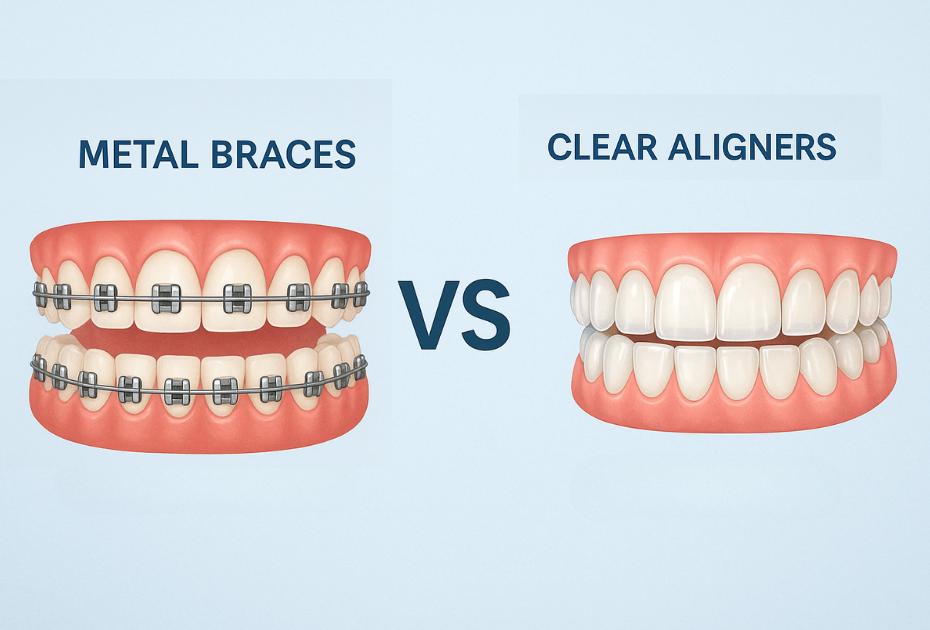
Invisible options like clear aligners or ceramic braces are much more subtle. They blend with your teeth or stay almost unnoticeable. You can talk, smile, and interact without feeling conscious. That’s why working professionals, business owners, and people who are often in public prefer them.
But looks are not the only thing. Metal braces are strong and reliable, especially for complex cases. Invisible options focus more on comfort and appearance. So the choice is really about what matters more to you - visibility or convenience.
- If you don’t mind visible braces and want a budget-friendly, powerful solution, metal braces work well.
- If you want a clean, confident look during treatment, invisible options are a better fit.
At the end of the day, both will give you a great smile. The journey just looks different.
Pros and Cons of Braces vs Aligners
When choosing between braces vs clear aligners, it helps to look at both sides clearly. Each option has its own strengths and small challenges. What works best depends on your comfort, routine, and how complex your case is.
Braces – Pros
Braces are strong and reliable. They can fix simple to very complex dental issues like crowded teeth, large gaps, or bite problems. Since they are fixed on your teeth, they keep working all the time. You don’t have to remember anything or worry about wearing them properly.
They are also more budget-friendly compared to aligners, which makes them a good option if cost is a concern.
Braces – Cons
Braces are visible, and that can make some people feel conscious while smiling or talking. In the beginning, they may feel tight or slightly uncomfortable. Food choices also need some control - sticky, hard or chewy items should be avoided.
Cleaning takes extra effort too, because food can get stuck around brackets and wires.
Aligners – Pros
Clear aligners are almost invisible, which is a big plus if you care about appearance. They are smooth and comfortable, with no wires or sharp edges.
You can remove them while eating and brushing, so there are no major food restrictions. Maintaining oral hygiene is also easier compared to braces.
Aligners – Cons
Aligners need discipline. You have to wear them for 20–22 hours daily. If you forget or remove them too often, your treatment slows down.
They may not be the best option for very complex cases. Also, aligners are usually more expensive because of the advanced technology and customization involved.
Who Should Choose What?
Choose Braces if:
- You have complex dental issues (crowding, gaps, bite problems)
- You don’t want to worry about removing or wearing trays daily
- You prefer a more budget-friendly option
- You are okay with visible braces
Choose Clear Aligners if:
- You have mild to moderate alignment issues
- You want a nearly invisible treatment
- You are a working professional or attend public/social events often
- You can commit to wearing them 20–22 hours daily
- You want flexibility while eating and brushing
How Smile Invent Dental Clinic Will Help You Choose
Choosing between braces and aligners can feel confusing, especially when both options sound good. That’s where the right guidance makes a big difference. At Smile Invent Dental Clinic, you get proper advice from some of the best dentist in Mumbai, so you don’t have to make this decision alone.
The process starts with a detailed check-up. The dentist looks at your teeth alignment, bite, and overall oral health. Based on that, they explain clearly whether braces or aligners will suit your case. You get honest suggestions, not just trendy options.
They also guide you about treatment time, comfort, and what daily care will look like. If you prefer something invisible and flexible, aligners may be suggested. If your case needs stronger correction, braces might be the better choice.
With regular follow-ups and proper support, your treatment stays on track. So you’re not just choosing between two options. You’re choosing the right plan with expert help to get the best results.
FAQs
1. Are clear aligners painful?
Clear aligners are not painful, but you may feel slight pressure when you start a new set of trays. This feeling is normal and usually settles within a few days. It’s a sign that your teeth are moving in the right direction.
2. Can I eat while wearing the aligners?
No, aligners should be removed before eating or drinking anything other than water. Eating with them can damage the trays and also affect hygiene. After eating, you should brush your teeth before wearing them again.
3. What are self-ligating braces?
Self-ligating braces are a type of braces that use a special clip instead of elastic bands to hold the wire in place. They are designed to reduce friction and may feel slightly more comfortable than traditional braces. They also require fewer adjustments.
4. Aligners cost vs cost of braces
Braces are usually more affordable and are a good option if budget is a concern. Clear aligners tend to cost more because they use advanced technology and are custom-made. The final cost depends on your case and treatment duration.
5. How long do clear teeth aligners take compared to braces?
Clear aligners can take around 6 to 18 months for mild to moderate cases. Braces usually take about 12 to 24 months, especially for complex issues. The exact time depends on your teeth condition and how well you follow the treatment.
6. Do clear teeth aligners cause discomfort like braces?
Aligners are generally more comfortable than braces because they don’t have wires or brackets. You may feel slight pressure, but they rarely cause irritation or cuts inside the mouth like braces sometimes do.
Conclusion
Choosing between braces and aligners doesn’t have to be confusing. Both options can give you a great smile. It just depends on what suits your teeth condition, lifestyle and comfort level. Braces are strong and reliable for all types of cases, while aligners offer flexibility and a more subtle look.
If you’re still wondering Clear Aligners vs Braces: Which Is Right for You, the best step is to get a proper consultation. A dentist can guide you based on your exact needs instead of guesswork.
In the end, the goal is simple - a confident, healthy smile. And with the right choice, you’ll get there smoothly.
This article is general information, not a diagnosis. For advice about your own teeth, book a consultation.