
Table of Contents
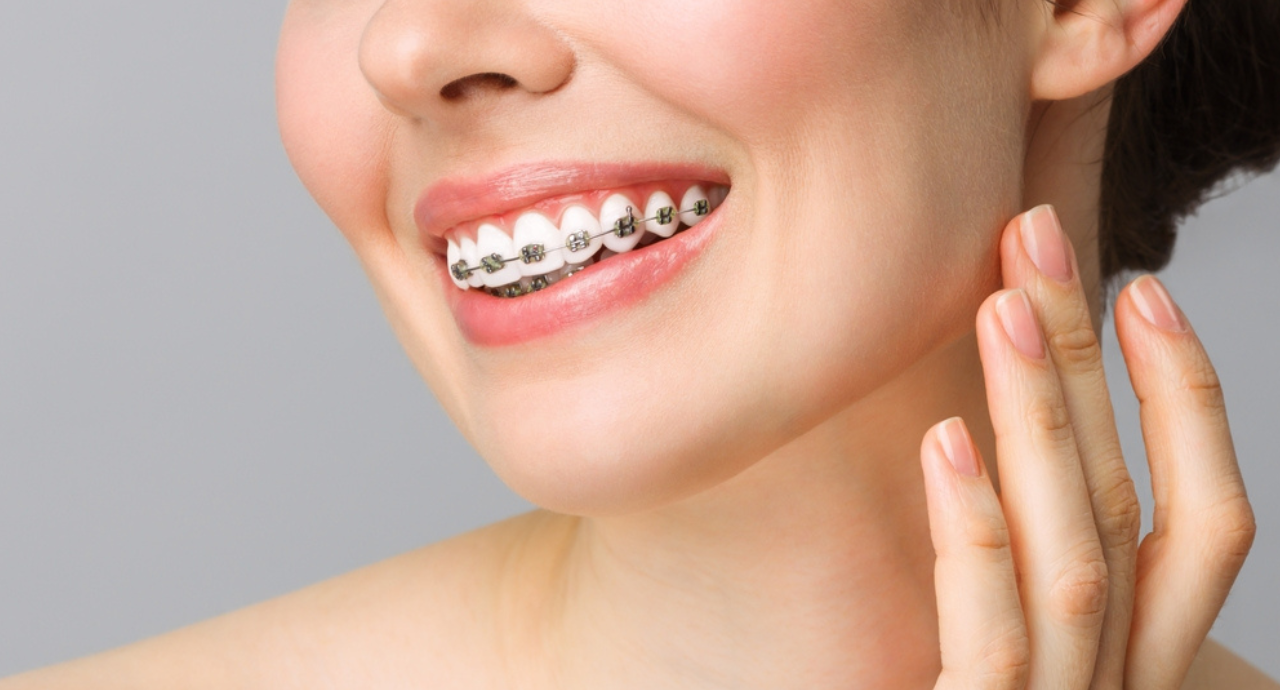
Braces are a common orthodontic treatment used to straighten teeth and improve the alignment of your smile. They work by applying gentle and continuous pressure on the teeth, gradually moving them into the correct position over time. Because this process involves changes in the teeth, gums, and jawbone, it cannot happen instantly.
One of the most common questions people ask before starting treatment is, “How long do braces take to straighten teeth?” The answer varies from person to person. In most cases, the average braces treatment time is between 12 and 24 months, but the exact duration depends on factors such as the condition of your teeth, the type of braces used, and how carefully the treatment instructions are followed.
In this article, we will discuss the average treatment time for braces, the factors that influence it, the stages of orthodontic treatment, and what you can expect throughout your braces journey.
Many people think braces work very quickly, but teeth do not move overnight. Braces slowly guide your teeth into the correct position. This process takes time because the teeth, gums, and bone around them need to adjust safely. If you would like to understand more about how braces and alignment treatments work for adults, you can also read our guide on orthodontic treatment for adults.
If you are planning to get braces, one of the first questions that usually comes to mind is: “How long will I have to wear them?” The answer can be different for everyone. Some people may need braces for about a year, while others may wear them for two years or sometimes a little longer.
The treatment time mainly depends on how crowded or misaligned the teeth are, the type of braces used, and how well you follow your orthodontist’s instructions. Regular check-ups and proper care can also make a big difference in the overall treatment duration.
In this guide, we will explain the average braces treatment time, what factors affect it, what happens during orthodontic treatment, and what you can expect each month while wearing braces.
The average braces treatment time usually ranges from 12 to 24 months, but this can vary for each patient. Several factors influence how long braces take to straighten teeth.
The condition of your teeth plays a major role in treatment time.
Age can also influence how long braces treatment takes. Braces often work faster for children and teenagers because their jawbones are still growing, which allows teeth to move more easily. In adults, the bones are fully developed, so teeth may take slightly longer to shift into the correct position. However, both children and adults can achieve great results with proper orthodontic care. If you want to learn more about early orthodontic treatment, you can read our guide on braces for kids.
Different types of braces can influence treatment time. Traditional metal braces, ceramic braces, lingual braces, or clear aligners may have slightly different timelines depending on the complexity of the case.
Following your orthodontist’s instructions is very important. Regular dental visits, wearing rubber bands if advised, and avoiding foods that can damage braces can help ensure the treatment stays on schedule.
Good oral hygiene helps keep teeth and gums healthy during treatment. Poor oral hygiene can cause dental problems that may delay the braces process.
The type of braces used for orthodontic treatment can also influence how long it takes to straighten teeth. While the average braces treatment time is usually between 12 and 24 months, different braces may have slightly different timelines depending on the dental condition.
Metal braces are the most common and traditional type of braces. They are very effective for treating mild to severe alignment issues. With modern technology, metal braces are smaller and more comfortable than before. Treatment with metal braces usually takes about 18 to 24 months, depending on the complexity of the case.
Ceramic braces work similarly to metal braces but use tooth-colored brackets, making them less noticeable. They are a popular choice for patients who want a more discreet option. Treatment time with ceramic braces is usually similar to metal braces, but in some cases, it may take slightly longer.
Lingual braces are placed on the back side of the teeth, making them almost invisible from the front. They are customized for each patient, but they may require more adjustments. The treatment time with lingual braces can be similar or slightly longer than traditional braces.
Clear aligners are removable and transparent trays that gradually move teeth into the correct position. They are comfortable and convenient for many patients. For mild to moderate alignment problems, clear aligners may straighten teeth in 12 to 18 months, but complex cases may require longer treatment.
Choosing the right type of braces depends on your dental condition, lifestyle, and treatment goals. To better understand the different types of dental braces and choose the most suitable option for your smile, it is important to consult an orthodontist for a proper examination.
Orthodontic treatment with braces usually happens in several stages. Each stage helps gradually move the teeth into the correct position and improve the overall alignment of your smile.
The first step is a detailed consultation with the orthodontist. During this visit, the dentist examines your teeth, takes X-rays, photographs, and dental impressions, and evaluates the alignment of your teeth and jaw. Based on this assessment, a personalized treatment plan is created.
Once the treatment plan is ready, the braces are placed on the teeth. Brackets are attached to the teeth, and a wire is connected to guide the teeth into the desired position. This procedure is painless and usually takes about one to two hours.
After the braces are placed, you will need to visit the orthodontist regularly, usually every 4–6 weeks. During these visits, the orthodontist adjusts the wires or replaces elastics to keep the teeth moving in the right direction.
As treatment continues, the teeth gradually move into better alignment. At this stage, the orthodontist may focus on correcting bite issues such as overbite, underbite, or crossbite.
Once the teeth have reached the desired position, the braces are removed. After that, retainers are provided to help maintain the new alignment and prevent the teeth from shifting back.
Orthodontic treatment with braces is a gradual process. While the average braces treatment time is usually 12 to 24 months, patients often notice changes in stages as their teeth slowly move into better alignment. Here is a general month-by-month overview of what you can expect during braces treatment.
During the first month, braces are placed on your teeth. You may feel some mild discomfort or pressure for a few days as your teeth begin to move. It is also a period of adjustment where you get used to eating, speaking, and cleaning your teeth with braces.
In this stage, your teeth begin to shift slightly into better positions. You might start noticing small improvements in alignment. Regular orthodontic visits help adjust the wires and ensure your treatment is progressing properly.
By this time, many patients begin to see visible changes in their smile. Crowded or crooked teeth start to align more evenly. Your orthodontist may adjust the wires or add elastics to guide the teeth further.
During this stage, the orthodontist focuses on correcting bite issues such as overbite, underbite, or crossbite. Teeth continue to move into their proper positions, and the overall alignment of the smile improves significantly.
Most of the major movement has already occurred by this time. The orthodontist now makes small adjustments to perfect the alignment and ensure the teeth fit together correctly.
Once the desired alignment is achieved, the braces are removed. After removal, retainers are provided to maintain the new position of the teeth and prevent them from shifting back.
This timeline may vary depending on each patient’s dental condition, the type of braces used, and how well the treatment instructions are followed. Regular dental visits and proper care can help ensure the best results from your braces treatment.
It is normal to feel some discomfort after getting braces. However, the pain is usually mild and temporary. Most patients experience soreness for a short time as the teeth begin to move into their new positions.
After braces are placed, you may feel pressure or soreness in your teeth and gums. This usually begins a few hours after the appointment and may last for 3 to 5 days. During this time, eating soft foods and taking mild pain relief medication (if recommended by your dentist) can help reduce discomfort
Orthodontic adjustments are usually done every 4 to 6 weeks. After each adjustment, you might again feel mild soreness for one or two days as the braces continue to guide your teeth into proper alignment.
Sometimes the brackets or wires may rub against the inner cheeks or lips, causing minor irritation. Using orthodontic wax can help protect the soft tissues and make wearing braces more comfortable.
The discomfort does not last the entire treatment period. Most patients only experience pain during the first few days after braces are placed or adjusted. As you get used to wearing braces, the process becomes much more comfortable.
Maintaining the right diet is important during orthodontic treatment. Certain foods can damage braces or slow down the average braces treatment time, so choosing soft and healthy foods helps protect the brackets and wires while keeping your teeth strong.
Soft foods are easier to chew and reduce pressure on the braces, especially during the first few days after getting them.
Some good food options include:
These foods help you stay comfortable while ensuring you get the necessary nutrients.
Hard, sticky, or crunchy foods can damage braces or cause wires to bend. It is best to avoid foods such as:
Avoiding these foods can prevent damage to your braces and help your orthodontic treatment stay on track.
If you want to eat harder foods like apples or carrots, it is better to cut them into small pieces instead of biting directly with your front teeth. This reduces pressure on the braces and protects them from damage.
Along with a proper diet, brushing and flossing regularly is essential while wearing braces. Good oral hygiene helps prevent cavities and gum problems during orthodontic treatment.
After months of orthodontic treatment, the day finally arrives when your braces are removed. While your teeth will look straighter and your smile more confident, proper care is still important to maintain the results of your treatment.
Once the braces are removed, your orthodontist will provide retainers. Retainers help keep your teeth in their new position and prevent them from shifting back. Initially, you may need to wear them for most of the day, and later only at night, depending on your orthodontist’s advice.
It is normal for teeth to feel slightly sensitive for a few days after braces removal. Your teeth and gums may take some time to adjust to the new alignment.
Without braces, brushing and flossing become much easier. Maintaining good oral hygiene helps keep your teeth healthy and your smile bright.
Even after orthodontic treatment, regular dental visits are important. Your dentist or orthodontist will check your teeth alignment and ensure that your retainers are working properly.
The biggest benefit after braces is a healthier and more confident smile. Straight teeth not only improve appearance but also make it easier to clean your teeth and maintain good oral health.
Choosing the right dental clinic is important for successful orthodontic treatment. At Smile Invent Dental Clinic, patients receive personalized care and advanced treatment options to achieve a healthy and confident smile.
The clinic is supported by experienced dental professionals who carefully evaluate each patient’s dental condition and recommend the most suitable braces treatment.
Every patient has different dental needs. At Smile Invent Dental Clinic, customized treatment plans are created to ensure the best results for each individual.
The clinic offers modern orthodontic treatments, including different types of braces designed to improve comfort and effectiveness during the treatment process.
Smile Invent Dental Clinic focuses on patient comfort and clear communication. Patients are guided through every stage of the braces journey, from the initial consultation to post-treatment care.
The goal is not only to straighten teeth but also to improve overall oral health and help patients maintain a beautiful smile for years to come.
The longest braces treatment usually takes about 2 to 3 years. This typically happens in cases with severe crowding, large gaps, or complex bite problems that require more time to correct.
Most patients start noticing small changes in their teeth within 4 to 6 weeks after getting braces. However, complete alignment usually takes 12 to 24 months, depending on the condition of the teeth.
The final stage of braces treatment involves fine adjustments to perfect the alignment of the teeth and bite. After this stage, the braces are removed and retainers are provided to maintain the new position of the teeth.
For mild alignment problems, braces treatment may take as little as 6 to 12 months. However, the exact time depends on the severity of the dental issue and the type of braces used.
There is no specific age limit for braces. Orthodontic treatment can be done at any age as long as the teeth and gums are healthy.
Yes, a 70-year-old can wear braces if their teeth and gums are in good condition. Many adults choose braces later in life to improve their smile and oral health. Regular dental evaluation helps determine the best treatment option.
Many patients wonder, how long do braces take to straighten teeth? In most cases, the average braces treatment time ranges between 12 and 24 months, depending on factors such as the severity of the dental problem, the type of braces used, and how well patients follow their orthodontist’s instructions.
Although braces treatment takes time, the results are long-lasting and can greatly improve both your smile and overall oral health. With proper care, regular dental visits, and good oral hygiene, patients can achieve effective and lasting results from orthodontic treatment.
If you are considering braces and want to understand the best treatment option for your teeth, the experts at Smile Invent Dental Clinic can guide you through the entire process and help you achieve a healthy, confident smile.

Walk into any supermarket or pharmacy and you will find toothpast...
Read More
Wearing braces can make your daily brushing routine a little more...
Read More
Have you ever noticed a small white mark on your tooth while look...
Read More