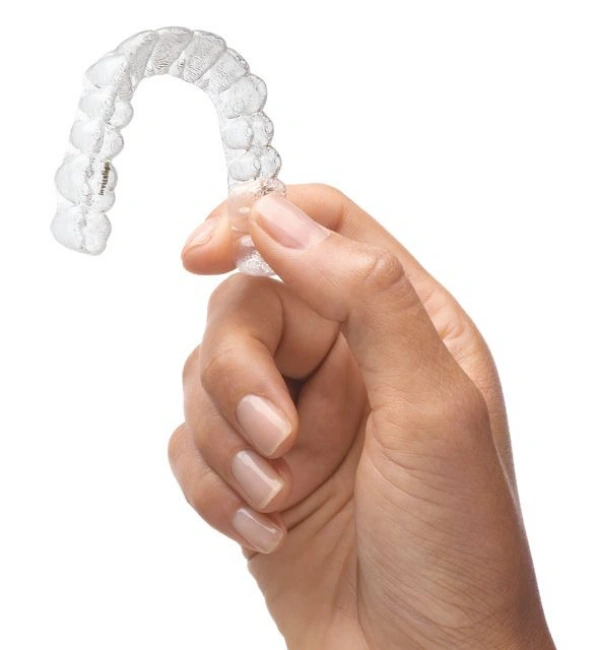





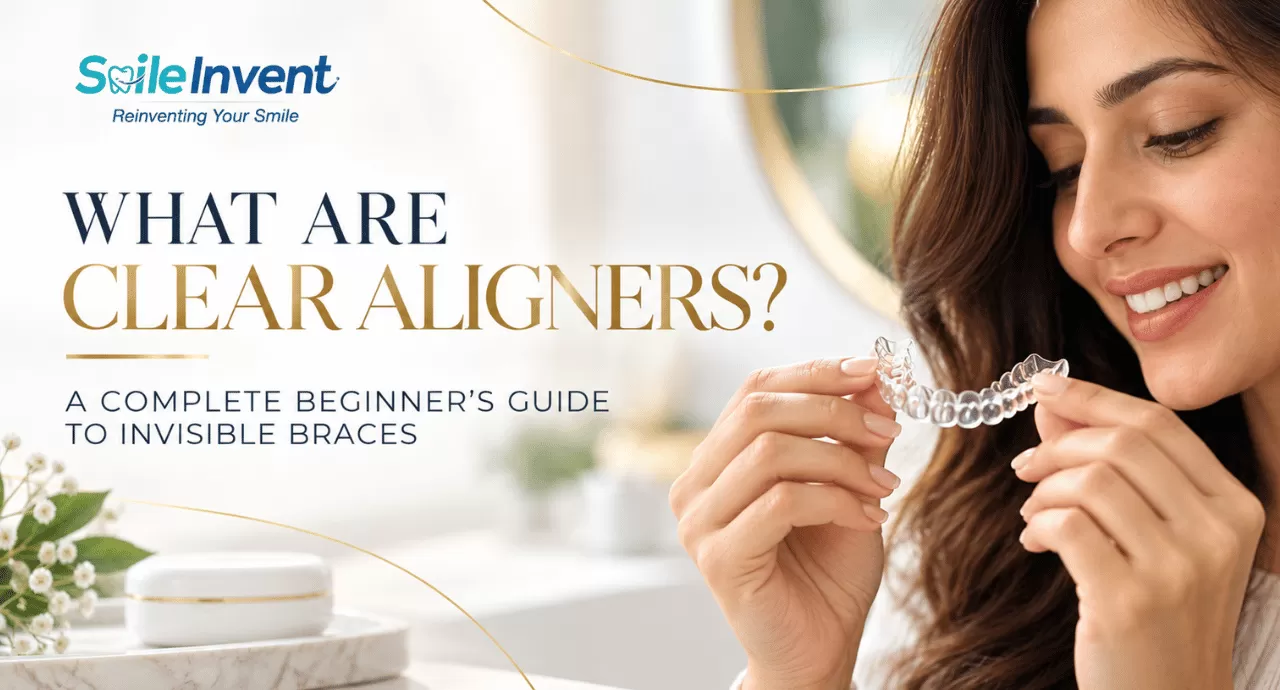
Clear aligners are transparent, removable trays that gradually move teeth into a better position. They are a less noticeable alternative to traditional braces and can be used to treat several common orthodontic problems, including crooked, crowded, or gapped teeth and some bite issues.
Unlike traditional braces, clear aligners do not use metal brackets and wires. They are custom-made for your teeth and need to be worn for most of the day to work as planned.
This guide explains what clear aligners are, how they work, who they may be suitable for, their benefits and limitations, how to care for them, and what you can expect during treatment.
What Are Clear Aligners?
Clear aligners are clear plastic trays that are made to fit your teeth properly and help move them into the right position. They are created using a digital scan of your teeth, so each aligner fits comfortably and works according to your smile.These aligners do not use wires or brackets. Instead, they gently apply pressure on your teeth and move them step by step. The movement is slow and controlled, so over time, your teeth start coming into proper alignment.
Many people know about Invisalign, which is one of the most popular clear aligner options. There are also other aligner systems available, and your dentist or orthodontist will suggest the right one based on your teeth condition.
It also helps to understand how this is different from braces. Traditional braces use metal brackets and wires to correct issues like crooked teeth, gaps, and bite problems. They are still widely used, especially for children and teenagers. If you want to learn more about this option, you can check our detailed guide on braces for kids.
Clear aligners, on the other hand, are removable and less noticeable. This makes them a good choice for adults and working professionals who want a more comfortable and flexible way to straighten their teeth. Both options are effective, but the experience of wearing them is quite different.
How Do Clear Aligners Work?
Clear aligner treatment follows a planned, step-by-step process to gradually move your teeth into their desired position. Your dentist or orthodontist first evaluates your teeth and bite, then creates a treatment plan based on your individual needs. Here’s what you can expect during the treatment:
1. Consultation with the Dentist
Your treatment begins with a consultation. The dentist checks your teeth, bite, and overall oral health to determine whether clear aligners are suitable for you. You can also discuss the changes you want to make to your smile and understand what the treatment may involve.
2. Digital Scan or Impressions
A digital scan or impressions of your teeth are taken to create a detailed view of your current tooth position. A digital scan provides a 3D view of your teeth and helps the dentist plan your treatment more accurately.
3. Personalized Treatment Plan
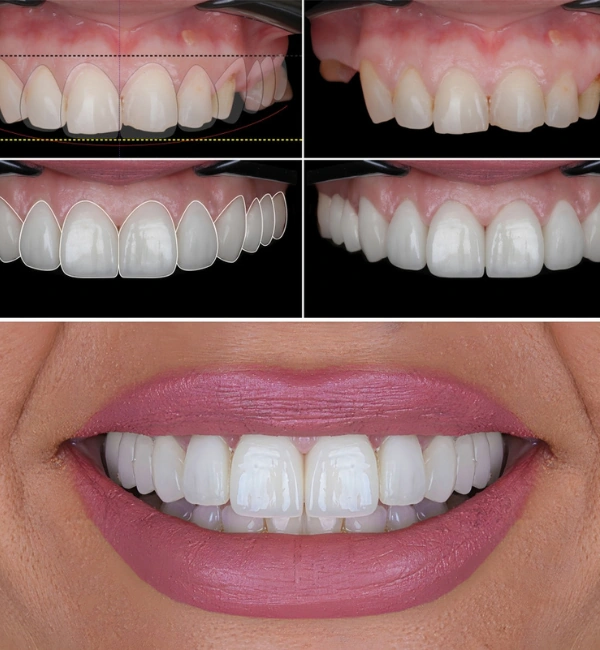
Your dentist creates a treatment plan based on your teeth and bite. The plan shows how your teeth are expected to move during each stage of treatment and gives you an estimated treatment timeline. In some cases, you may also be able to see a digital preview of your planned smile.
4. Receiving Your Custom Aligners
Once your treatment plan is finalized, you receive a series of clear aligners made for your teeth. Each aligner is designed to make small, controlled movements. In some cases, your dentist may place small tooth-coloured attachments on certain teeth to help guide specific movements.
5. Wearing and Changing Your Aligners
You need to wear your aligners for around 20–22 hours a day, or as advised by your dentist. They can be removed while eating, drinking, and brushing your teeth. You will change to the next aligner according to the schedule provided by your dentist, often every 1–2 weeks.
6. Regular Check-Ups
Regular follow-up visits allow your dentist to monitor how your teeth are moving and check whether your treatment is progressing as planned. Your dentist may make changes to your treatment plan if needed.
7. Final Results and Retainers
Once your planned aligner treatment is complete, your dentist will assess your final tooth position. You may then need to wear retainers as advised to help maintain the results and reduce the chance of your teeth shifting back.
Clear Aligners vs Braces: What's the Difference?
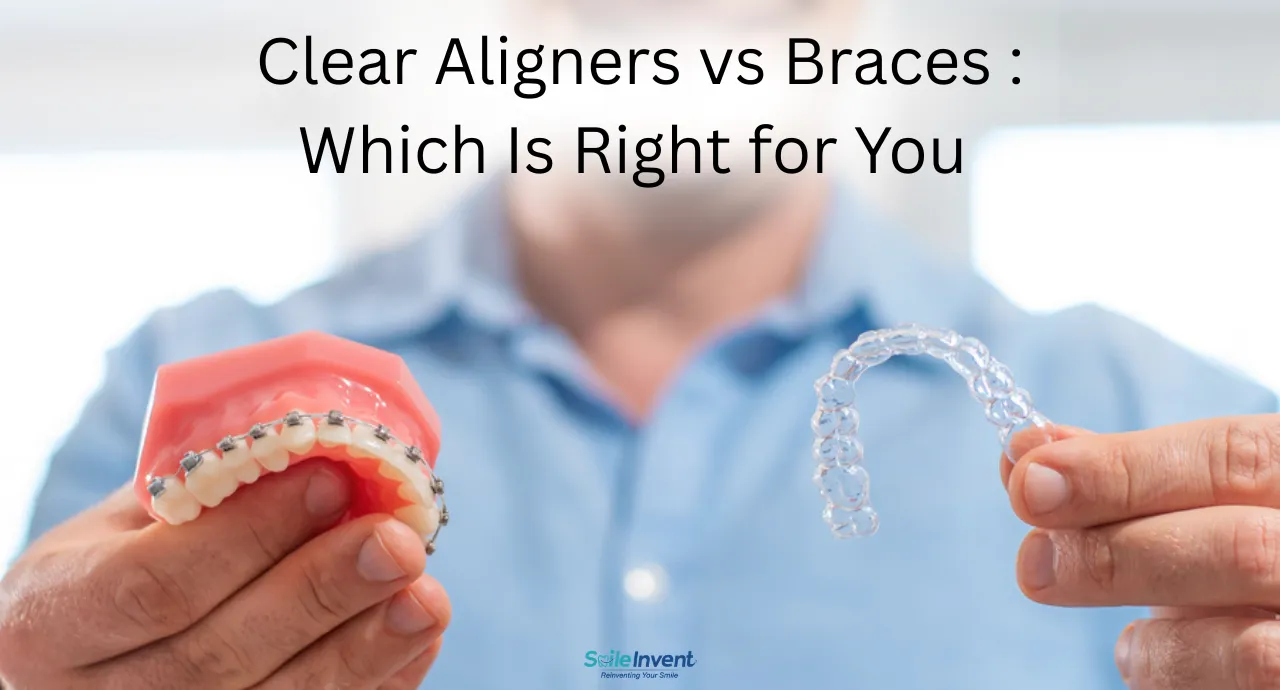
Clear aligners and traditional braces can both help straighten teeth and improve bite problems, but they work in different ways. Clear aligners are removable and less noticeable, while braces use brackets and wires that remain fixed to the teeth during treatment. The right option depends on your teeth, bite, treatment needs, lifestyle, and how well you can follow the recommended treatment routine.
Key Differences at a Glance
Benefits of Clear Aligners
Clear aligners are popular because they are easy to manage and don’t disturb your daily routine. Here are the main benefits explained in a simple way:
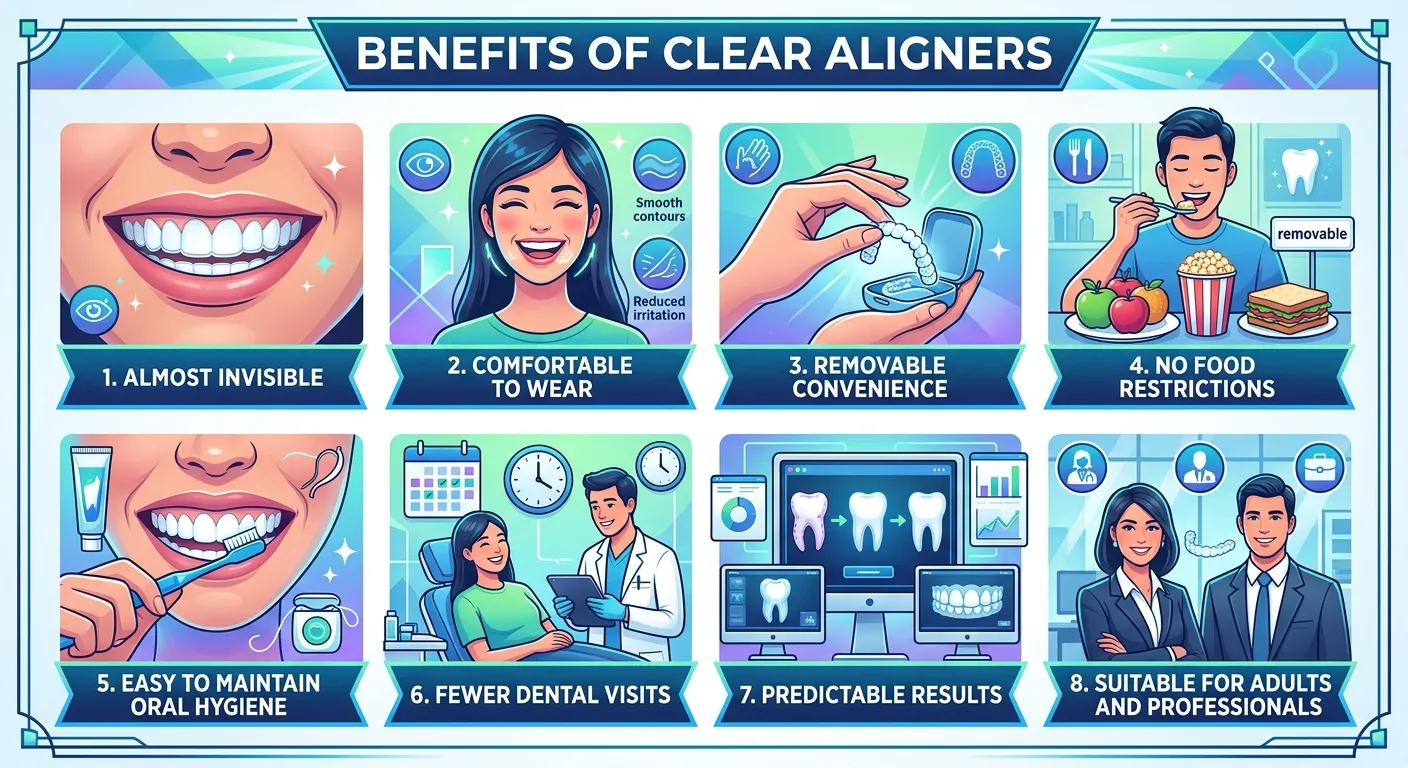
Almost Invisible
Clear aligners are made from transparent material, so they are not easily visible. Most people won’t even notice you are wearing them, which helps you feel more confident while talking, smiling, or attending social and work events.
Comfortable to Wear
They are designed using smooth plastic, so they don’t have sharp edges. This means less pain, no cuts inside the mouth, and overall a more comfortable experience compared to metal braces.
Removable Convenience
You can remove aligners anytime while eating, drinking, brushing, or for any special occasion. This flexibility makes it easier to adjust the treatment into your daily lifestyle without major changes.
No Food Restrictions
Since aligners are removed before eating, you can enjoy your regular food without worry. There is no need to avoid hard, sticky, or crunchy foods like you would with braces.
Easy to Maintain Oral Hygiene
Brushing and flossing your teeth is simple because there are no wires or brackets. This helps reduce the risk of plaque buildup, cavities, and gum problems during the treatment.
Fewer Dental Visits
Clear aligner treatment usually requires fewer clinic visits. There are no frequent tightening sessions, and most follow-ups are quick and just for progress checking.
Predictable Results
The entire treatment is planned in advance using digital technology. This allows you to see how your teeth will move and what your smile may look like after the treatment.
Suitable for Adults and Professionals
Clear aligners are a good option for adults, especially working professionals, because they are discreet and do not affect daily communication or appearance.
Who is the Best Candidate for Clear Aligner Treatment?
Clear aligners work well for many people, but they are not the right choice for everyone. Here are the types of people who usually get the best results with this treatment:
1. People with Mild to Moderate Teeth Issues
Clear aligners are ideal for fixing common problems like slightly crooked teeth, small gaps, mild crowding, or minor bite issues. These cases respond well to gradual movement with aligners.
2. Adults and Teenagers
Clear aligners are a popular choice for adults and teenagers who want a more subtle way to straighten their teeth. Since they are less visible, many people feel more comfortable using them in daily life.
3. Working Professionals
People who interact a lot with others, attend meetings, or are always on the go often prefer clear aligners. They don’t affect appearance much and are easy to manage during a busy routine.
4. People Who Can Follow Instructions Properly
Aligners need to be worn for 20–22 hours every day. So, they are best for people who can follow this routine regularly. Skipping wear time can affect the final results.
5. Those Who Want a Flexible Treatment Option
If you prefer a treatment that allows you to remove the appliance while eating or brushing, clear aligners are a good option. They give more flexibility compared to fixed braces.
6. People Looking for a Comfortable Experience
If you are worried about pain, cuts, or discomfort from metal braces, clear aligners can be a better choice because they are smooth and gentle on the mouth.
What Are the Limitations of Clear Aligners?
Clear aligners are a convenient and modern option, but they may not be suitable for every type of dental problem. They work best for mild to moderate alignment issues, while more complex cases may still require traditional braces for better results. Since aligners are removable, the treatment also depends a lot on discipline. You need to wear them for around 20–22 hours a day, and skipping wear time can delay progress. Some people may also find it slightly inconvenient to remove aligners every time they eat or drink anything other than water. In the beginning, there can be mild discomfort or pressure when switching to a new set, but this usually settles within a day or two. There is also a chance of misplacing the aligners if they are not stored properly. In certain cases, small attachments are placed on the teeth to help movement, which may be slightly visible.
Clear Aligners Before and After Results
The real impact of clear aligners can be seen when you compare the before and after results. Different types of teeth problems improve in different ways during the treatment.
Tooth Alignment – Before and After
Before treatment, teeth may look slightly rotated, uneven, or not properly placed. Some teeth may stick out while others may be pushed back.
After completing the aligner treatment, teeth come into a straight line and look more balanced. The smile appears more even, and the teeth align better with the center of the face.
Spacing (Gaps) – Before and After
Gaps between teeth can affect both appearance and daily comfort. Food can get stuck easily, and many people feel conscious while smiling.
With clear aligners, these gaps are slowly reduced as teeth move closer together. The final result is a more complete smile with evenly placed teeth.
Teeth Crowding – Before and After
Crowded teeth happen when there is not enough space in the jaw, so teeth overlap or grow in different directions. This also makes cleaning difficult.
After treatment, teeth are properly arranged, making them easier to clean and giving a neater, more organised look.
Bite Correction – Before and After
Bite issues like overbite, underbite, or crossbite can affect how you chew and may even cause discomfort over time.
Clear aligners help improve the position of upper and lower teeth so they fit properly when you bite. This not only improves appearance but also makes chewing and speaking more comfortable.
Confidence After Treatment
Along with physical changes, many people feel more confident after their teeth are aligned. A better smile often makes people feel more comfortable in photos, conversations, and social situations.
Dos and Don’ts of Clear Aligners
Following the right habits during your clear aligner treatment can make a big difference in your results. Here are some simple dos and don’ts to keep in mind:
Dos
Wear your aligners regularly
Make sure you wear your aligners for 20–22 hours every day. This is important for your teeth to move as planned.
Clean your aligners daily
Rinse and gently clean your aligners to keep them clear and free from bacteria. This also helps avoid bad smell.
Brush your teeth before wearing aligners
Always brush your teeth before putting your aligners back. This prevents food particles from getting trapped inside.
Store them properly
Keep your aligners in their case when not in use. This helps avoid losing or damaging them.
Follow your dentist’s instructions
Stick to the schedule given for changing aligners and attend your follow-up visits on time.
Don’ts
Don’t eat with aligners on
Remove your aligners before eating to avoid damage or stains.
Don’t drink coloured or hot beverages
Avoid tea, coffee, or soft drinks while wearing aligners, as they can stain or damage them.
Don’t skip wearing time
Wearing aligners for fewer hours can delay your treatment and affect the final results.
Don’t use hot water to clean them
Hot water can change the shape of the aligners. Always use normal or lukewarm water.
Don’t leave them uncovered
Avoid keeping aligners wrapped in tissue or out in the open, as they can easily get lost or thrown away.
How to Care for Clear Aligners
Taking proper care of your clear aligners helps keep them clean, comfortable, and in good condition throughout your treatment. Good oral hygiene is also important because the aligners stay against your teeth for most of the day.
Wear Your Aligners as Advised
Wear your aligners for around 20–22 hours a day, or for the amount of time recommended by your dentist. Consistent wear helps your teeth move according to the treatment plan. Avoid regularly skipping wear time, as this can affect your treatment progress.
Keep Your Aligners Clean
Rinse your aligners whenever you remove them and clean them regularly as advised by your dentist. This helps reduce plaque, bacteria, stains, and unpleasant smells. Avoid using hot water to clean your aligners because it can affect their shape.
Maintain Good Oral Hygiene
Brush and floss your teeth regularly, especially before putting your aligners back in. Cleaning your teeth helps prevent food particles and plaque from becoming trapped between your teeth and the aligners.
Remove Aligners Before Eating
Remove your aligners before eating. Eating with aligners can damage or stain them and may allow food particles to become trapped. After eating, clean your teeth before putting the aligners back in.
Drink Water While Wearing Aligners
Water is the safest drink while wearing your aligners. Remove them before having tea, coffee, soft drinks, or other coloured or hot beverages to help prevent staining and damage.
Store Your Aligners Properly
Keep your aligners in their case whenever you are not wearing them. Avoid wrapping them in tissue or leaving them on tables, as they can easily be misplaced or accidentally thrown away.
Follow Your Aligner Schedule
Change to your next set of aligners only according to the schedule given by your dentist. Do not change them earlier or continue using them longer without professional advice.
Attend Your Follow-Up Appointments
Regular follow-up appointments allow your dentist to check your progress and make sure your teeth are moving as planned. Your dentist can also address any discomfort or fit issues during these visits.
Why Choose Smile Invent Dental Clinic for Clear Aligners?
Choosing the right clinic is important if you want good results from your clear aligner treatment. At Smile Invent Dental Clinic, the focus is on understanding your teeth and giving you a treatment plan that suits you. Many people searching for the best dental clinic in Mumbai look for a place where they feel comfortable and get clear guidance from the start.
The clinic uses modern technology to scan your teeth and plan your treatment properly. This helps in making aligners that fit well and work better. The dental team also has experience in handling different types of teeth problems like gaps, crowding, and bite issues, so the treatment is always planned as per your needs.
At Smile Invent, the whole process is kept simple and easy to follow. You get proper support at every step, from consultation to final results. Regular check-ups and clear instructions help you stay on track. The aim is not just to straighten your teeth, but to give you a smile that you feel confident about for a long time.
FAQs
1. Does Invisalign change your face shape?
Clear aligners, including Invisalign, mainly work on aligning your teeth. They do not directly change your face shape. But as your teeth come into proper position, your smile looks more balanced, which can slightly improve your overall appearance.
2. Which is faster, braces or Invisalign?
The treatment time depends on your teeth condition. For mild to moderate cases, clear aligners can sometimes work faster. For more complex issues, braces may take less time. Your dentist can guide you better based on your case.
3. How long does clear aligner treatment take?
In most cases, treatment can take anywhere between 6 to 18 months. The exact time depends on how much correction your teeth need and how regularly you wear your aligners.
4. Are clear aligners painful?
Clear aligners are generally comfortable. You may feel slight pressure when you start a new set, but this is normal and usually goes away in a day or two.
5. Can I eat while wearing clear aligners?
No, you should remove your aligners before eating or drinking anything other than water. This helps prevent damage and keeps them clean.
6. How many hours should I wear clear aligners daily?
You should wear your aligners for about 20–22 hours every day for the best results.
7. Are clear aligners better than braces?
Both options are effective. Clear aligners are more comfortable and less visible, while braces are better for complex cases. The right choice depends on your teeth condition.
Conclusion
If you are someone who has been thinking about improving your smile but don’t feel comfortable with traditional braces, clear aligners can be a good option to consider. They are simple to use, comfortable, and fit easily into your daily routine without affecting your confidence.
Many people start with one basic question - what are clear aligners? As you’ve seen, they are a modern way to straighten teeth using clear, removable trays that work gradually over time. With proper use and guidance from a dentist, they can give effective and long-lasting results.
If you are planning to start your smile journey, the first step is to understand your teeth and the treatment options available. Getting the right advice can help you choose a solution that works best for you and gives you a smile you feel happy about.
This article is general information, not a diagnosis. For advice about your own teeth, book a consultation.