



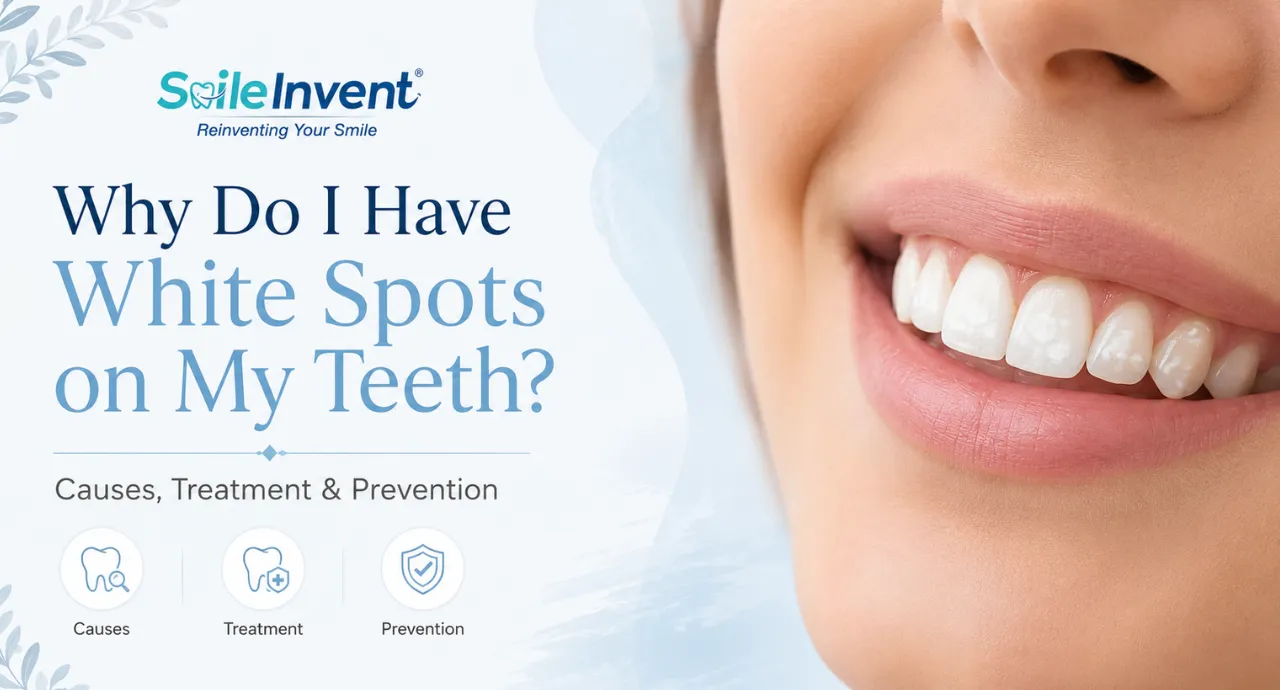
Have you ever noticed a small white mark on your tooth while looking in the mirror? It may look like a simple stain, but white spots on teeth can have several different causes. Sometimes they are related to changes in the tooth enamel, while in other cases they may be linked to fluorosis, early demineralization, enamel development problems or braces.
The good news is that white spots do not always mean that something is seriously wrong with your teeth. But because the cause can vary, it is worth understanding what you are seeing instead of trying a random whitening product or home remedy. In this guide, we will look at what causes white spots on teeth, whether food and drinks can contribute to them, how they differ from tooth decay, and what treatment options are available.
Why Do I Have White Spots on My Teeth?
White spots on teeth can appear for several reasons, and the cause is not always easy to identify just by looking at them. They may develop because of enamel demineralization, dental fluorosis, enamel development problems, or changes that occur around braces. In some cases, a white spot can also be an early sign of tooth decay.
The good news is that having a white spot does not automatically mean you have a cavity. The appearance, location and condition of the tooth can give a dentist useful clues about the cause. If the spots are new, changing or appearing along with sensitivity, a dental checkup can help determine what is happening and whether treatment is needed.
What Are White Spots on Teeth?
White spots are areas of a tooth that look lighter than the surrounding enamel. They may appear as small white specks on teeth, larger patches, or chalky areas that are easier to notice on the front teeth. The spots can look different from person to person, depending on what has caused the change in the enamel.
These marks are not always a sign of a serious dental problem. Changes in the mineral content of enamel, fluorosis, enamel development problems and early demineralisation can all cause white patches on teeth. Since some early tooth decay can also appear as a white spot, a dentist may need to examine the tooth to find the actual cause.
Common Causes of White Spots on Teeth
There is no single reason for white spots on teeth. In many cases, they are caused by changes in the enamel that happen either while the teeth are developing or after they have erupted. The appearance and location of the spots can give some clues, but a dentist may need to examine them to confirm the cause.
Common causes include:
- Enamel demineralization: Loss of minerals from the enamel can create chalky or opaque white areas. This can be an early stage of tooth decay.
- Dental fluorosis: Too much fluoride exposure while permanent teeth are developing can lead to white lines, spots or patches.
- Enamel hypoplasia: When enamel does not develop properly, affected teeth may have areas that look white, yellow or brown.
- White spots after braces: Plaque can collect around orthodontic brackets, and the acids produced by bacteria can cause mineral loss around those areas.
- Poor oral hygiene: Plaque buildup can increase the risk of enamel demineralisation, particularly when combined with frequent sugar exposure.
- Acid exposure: Frequent acidic foods and drinks can weaken enamel and contribute to changes in its appearance.
Can Food and Drinks Cause White Spots on Teeth?
Yes, food and drinks can contribute to white spots on teeth, particularly when they are high in sugar or acidic and are consumed frequently. Sugary foods can feed bacteria in dental plaque, which produce acids that remove minerals from the enamel. Acidic foods and drinks can also weaken the enamel directly, making early demineralisation more likely.
You do not need to completely avoid every food or drink that contains sugar or acid. The bigger concern is frequent exposure, such as regularly sipping soft drinks or having sugary snacks throughout the day. Drinking water after meals, limiting frequent snacking and maintaining good oral hygiene can help protect the enamel and reduce the risk of developing white patches.
Foods and Drinks to Be Careful With
- Soft drinks and carbonated beverages
- Packaged fruit juices
- Sports and energy drinks
- Sour candies
- Sugary snacks
- Citrus based drinks
- Other highly acidic foods and beverages
White Spots on Teeth vs Tooth Decay
White spots do not always mean that a tooth has a cavity. Sometimes they are simply related to fluorosis or the way the enamel developed. But a chalky white spot can also be an early sign of tooth decay, especially when minerals have started to leave the enamel. This early stage is often called a white spot lesion.
So, if you suddenly notice a new white patch on your teeth, don't assume that it is just a stain. A dentist can examine the area and determine whether it is related to demineralization, fluorosis, enamel development or tooth decay.
White Spots After Braces: Why Do They Happen?
White spots can become noticeable after braces are removed because plaque and food particles can collect around the brackets during treatment. If these areas are not cleaned well, acids produced by bacteria can remove minerals from the enamel. This process, called demineralization, can leave white patches on teeth around the places where the brackets were attached.
The good news is that not every white spot after braces means permanent damage. Early demineralization may improve with better oral hygiene and remineralization care, while more established spots may need professional treatment. Regular brushing, cleaning between the teeth and following your orthodontist's cleaning advice can help reduce the risk during orthodontic treatment.
Can White Spots on Teeth Go Away?
Whether white spots on teeth disappear depends on what caused them and how much the enamel has changed. White spots caused by early demineralization may improve when the underlying cause is controlled and the enamel gets the right support. But spots caused by fluorosis or enamel development problems generally do not disappear on their own.
If the spots have been present for a long time, are becoming more noticeable or are affecting your confidence, a dentist can check their cause and discuss suitable options. Treatment may focus on strengthening the enamel or, when needed, improving the appearance of the affected teeth through professional cosmetic procedures.
Treatment Options for White Spots on Teeth
Treatment for white spots on teeth depends on what caused them and how much the enamel has been affected. A dentist may first check whether the spots are linked to early demineralisation, fluorosis, enamel development problems or another condition. Not every white spot needs cosmetic treatment, especially if it is small and not causing any dental problems.
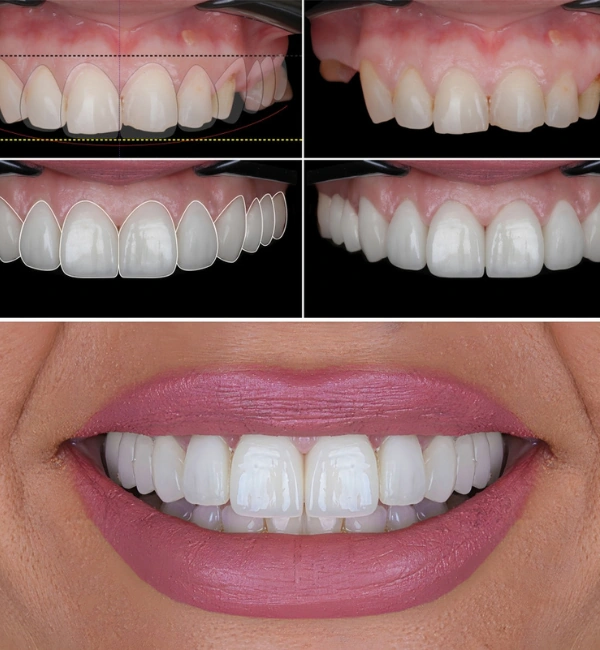
When treatment is needed, the options can range from preventive care to cosmetic procedures. Fluoride treatment and remineralisation may be recommended when the enamel has lost minerals at an early stage. For more noticeable spots, a dentist may consider treatments such as microabrasion or resin infiltration. If the main concern is appearance, dental bonding, teeth whitening or dental veneers may be suitable in selected cases. The right option depends on the cause, depth and appearance of the spots.
Treatment Options at a Glance
There is no single best treatment for every white spot. A dentist should first identify the cause before deciding how to treat it.
How to Prevent White Spots on Teeth
Preventing white spots on teeth starts with protecting your enamel and keeping plaque under control. Brush your teeth twice a day with fluoride toothpaste and clean between your teeth regularly. If you wear braces, pay extra attention to the areas around the brackets, where plaque can collect more easily.
Your diet also matters. Try to reduce frequent sugary snacks and acidic drinks, and choose water more often. Regular dental checkups can also help your dentist spot early enamel changes before they become more noticeable.
Simple Ways to Prevent White Spots
- Brush twice a day with fluoride toothpaste.
- Pay extra attention to teeth cleaning around braces and brackets.
- Limit frequent sugary snacks and drinks.
- Reduce frequent exposure to acidic foods and beverages.
- Choose water between meals.
- Follow your dentist's advice about fluoride care.
- Get regular dental checkups.
When Should You See a Dentist?
Not every white spot on teeth needs immediate treatment, but you should have it checked if you are unsure about its cause or notice that it is changing. A new white patch, increasing sensitivity, roughness on the tooth surface or other visible changes can sometimes point to enamel demineralisation or an early dental problem. A dentist can examine the area and determine whether it is a cosmetic concern or something that needs treatment.
You should also consider a dental checkup if white spots appeared after braces, are becoming more noticeable, or are affecting your confidence. Getting them assessed early can make it easier to identify the cause and decide whether you need preventive care, treatment for an underlying dental problem or a cosmetic option.
You Should Consider a Dental Checkup If:
- The white spots are new or changing.
- You have sensitivity or discomfort.
- The affected area feels rough or different from the surrounding tooth.
- White patches appeared after braces.
- You notice signs of tooth decay along with the white spot.
- The spots are becoming more noticeable.
- You are unsure what caused them.
How Can Smile Invent Dental Clinic Help?
If you have noticed white spots on your teeth and are not sure what is causing them, a dental examination can help you get a clearer answer. At Smile Invent Dental Clinic, a dentist in Mumbai can examine the affected teeth and look for signs of enamel demineralisation, fluorosis, tooth decay or other enamel changes. This is especially useful when the spots are new, becoming more noticeable or appearing along with sensitivity.
Once the cause is identified, the dentist can discuss the most suitable approach for your teeth. Some cases may only need better preventive care, while others may benefit from cosmetic treatments such as dental bonding, teeth whitening or dental veneers. The aim is not simply to cover the white spots, but to understand why they appeared and choose treatment that suits the condition of your teeth.
FAQs
1. Can white spots on teeth be a sign of vitamin deficiency?
Not usually. White spots can have several causes, including enamel demineralisation, fluorosis and enamel development problems.
2. Are white spots on teeth caused by calcium deficiency?
Calcium deficiency is not a common cause of white spots on teeth. The spots can develop for several other reasons, so a dentist can help identify the actual cause.
3. Can fluoride cause white spots on teeth?
Yes. Excessive fluoride exposure while teeth are developing can cause dental fluorosis, which may appear as white spots, lines or patches.
4. Why are white spots more noticeable after teeth whitening?
Whitening can make existing white spots look more noticeable because the surrounding enamel becomes lighter. The whitening itself does not necessarily cause the spots.
5. Can white spots on teeth become darker over time?
They can change in appearance depending on their cause. If a spot becomes darker, larger or develops with sensitivity, have it checked by a dentist.
6. Are white spots on teeth contagious?
No. White spots caused by fluorosis, enamel changes or demineralization are not contagious and cannot spread from one person to another.
Conclusion
You may notice a small white mark on your tooth and wonder, “Why do I have white spots on my teeth?” The answer can vary. White spots may be linked to enamel demineralization, fluorosis, enamel development problems or changes that occur after braces. Some are harmless, while others may need dental attention.
The good news is that identifying the cause early can make treatment easier. Good oral hygiene, a balanced diet and regular dental checkups can help protect your teeth. If the spots are new, changing or affecting your confidence, a dentist can recommend the right treatment based on the condition of your teeth.
This article is general information, not a diagnosis. For advice about your own teeth, book a consultation.