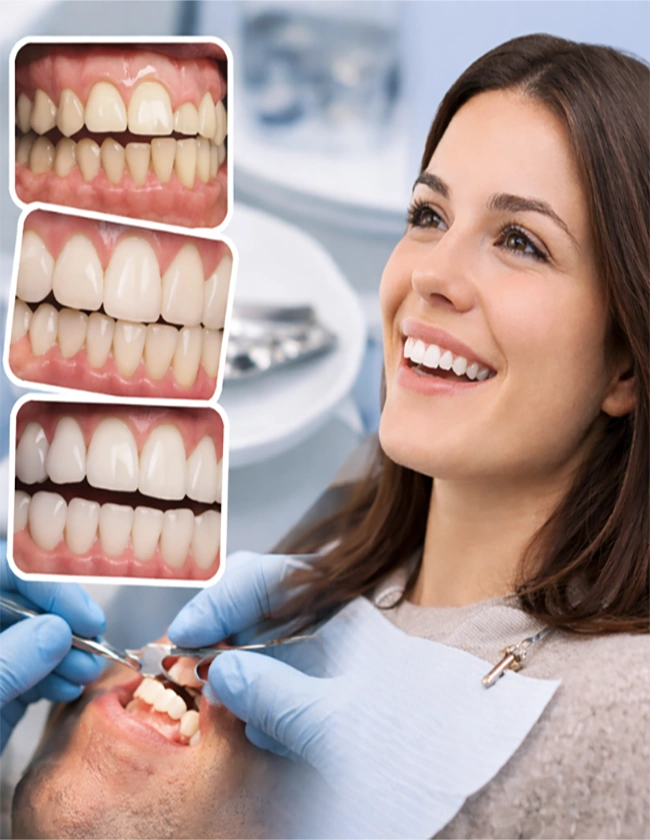
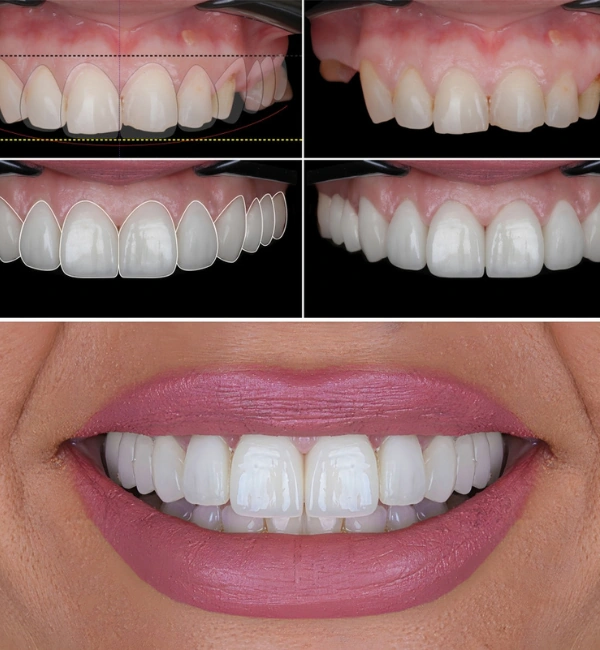




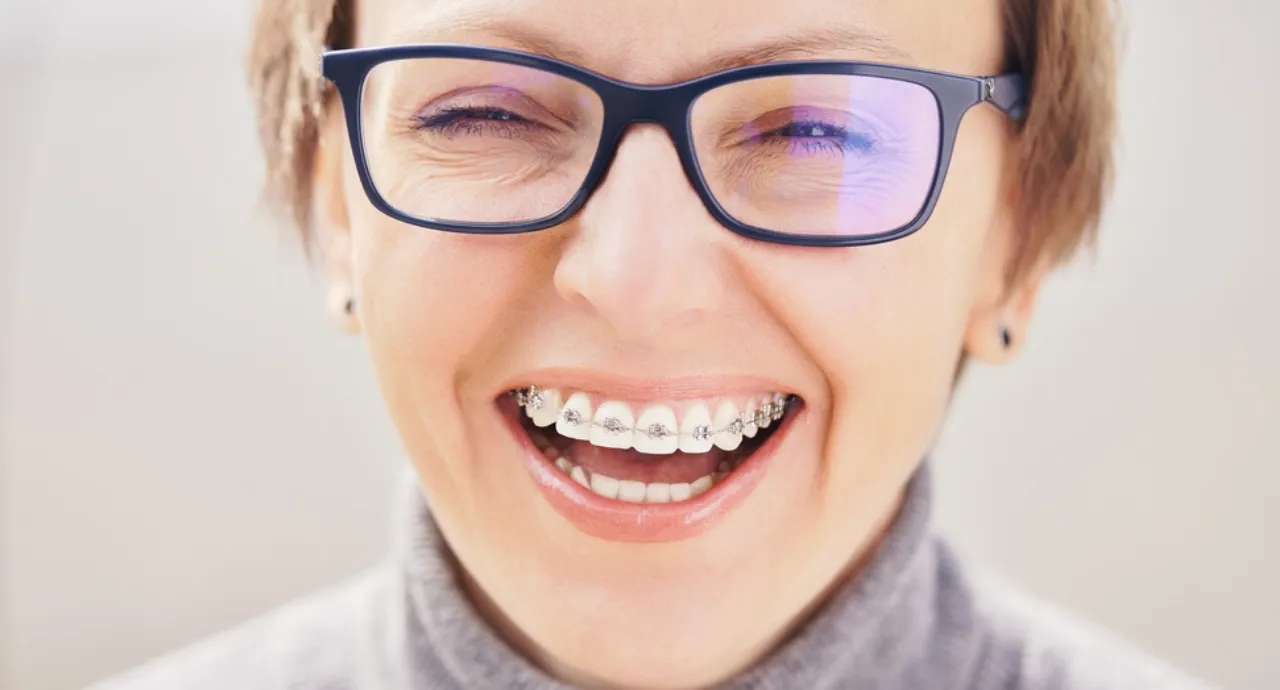
Adult orthodontics refers to correcting teeth and jaw alignment after growth has stopped. While orthodontic treatment was once associated mainly with children and teenagers, today an increasing number of adults are choosing it. Thanks to modern techniques, discreet appliances, and greater awareness, achieving a well-aligned smile at any age is now possible.
This guide to adult orthodontics explains what it is, why more adults are opting for treatment, the benefits and challenges, available options, and common myths. At Smile Invent Dental Clinic, our specialists provide personalized orthodontic solutions designed to improve alignment, bite function, and overall confidence. With the right care, a healthier and more confident smile is always within reach.
What is Orthodontics for Adults?
Orthodontics for adults refers to the diagnosis, prevention, and correction of misaligned teeth and jaws in individuals aged 18 and older. While the biological process of tooth movement is the same at any age, adult treatment often requires a more tailored approach due to differences in bone density, gum health, and previous dental work.
Adults may seek orthodontic care for various reasons, such as correcting long-standing dental issues, preparing for restorative treatments, or simply wanting a straighter, more balanced smile. Common problems addressed in adult orthodontics include:
- Crooked or crowded teeth
- Gaps between teeth
- Overbite, underbite, or crossbite
- Jaw pain or dysfunction
- Shifting teeth due to aging or tooth loss
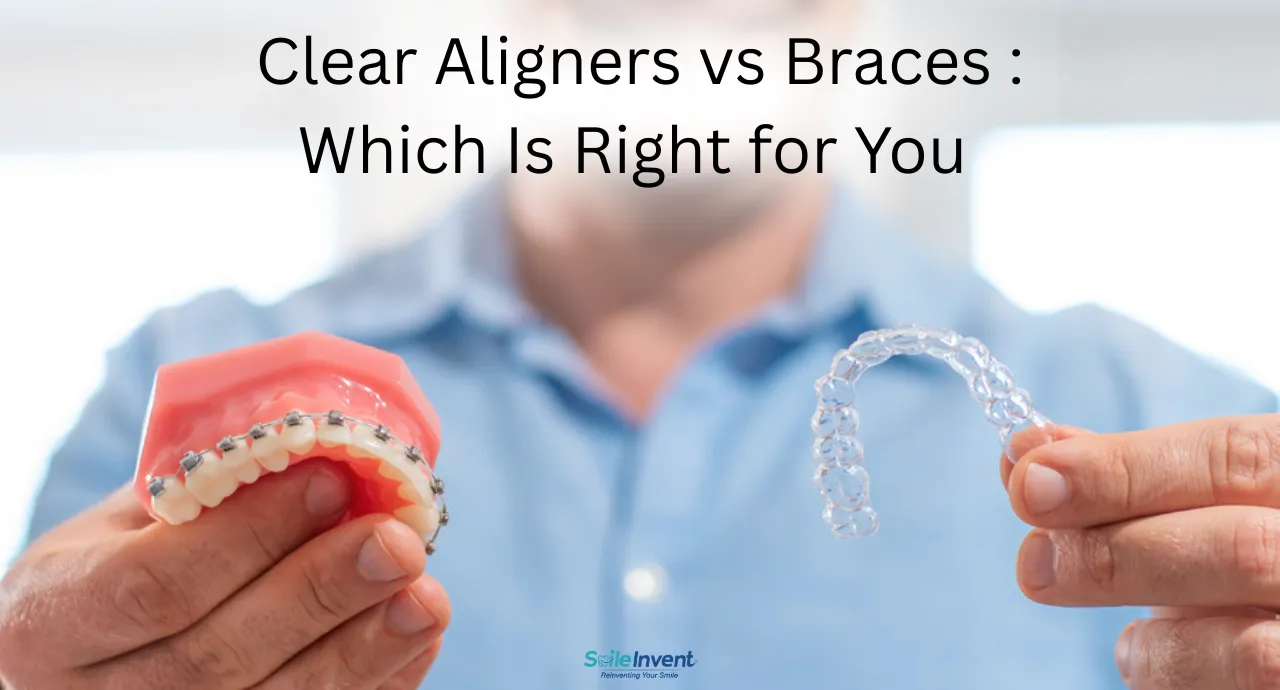
Today’s orthodontic treatments for adults are more discreet, comfortable, and efficient than ever. Whether it's metal braces, ceramic braces, or clear aligners, adults have flexible options to meet their lifestyle and aesthetic goals.
Why Are More Adults Choosing Orthodontic Treatment?
An increasing number of adults are turning to orthodontic treatment, and the reasons go beyond just aesthetics. With advancements in technology and a better understanding of oral health’s role in overall well-being, adult orthodontics has become a popular and practical option.
Here are the main reasons adults are choosing orthodontics today:
Increased Awareness of Oral Health
Many adults now understand how misaligned teeth can affect gum health, cause abnormal wear of tooth enamel, and contribute to jaw joint pain. Treating these issues can prevent future dental complications.
Better Treatment Options
Modern orthodontic treatments like clear aligners and ceramic braces are less visible and more comfortable, making them suitable for adults who want a subtle solution without the look of traditional braces.
Delayed or Missed Treatment in Youth
Some adults never had the opportunity to correct their alignment as children or teens. As they age, they want to finally address these long-standing concerns.
Preparing for Restorative Dental Work
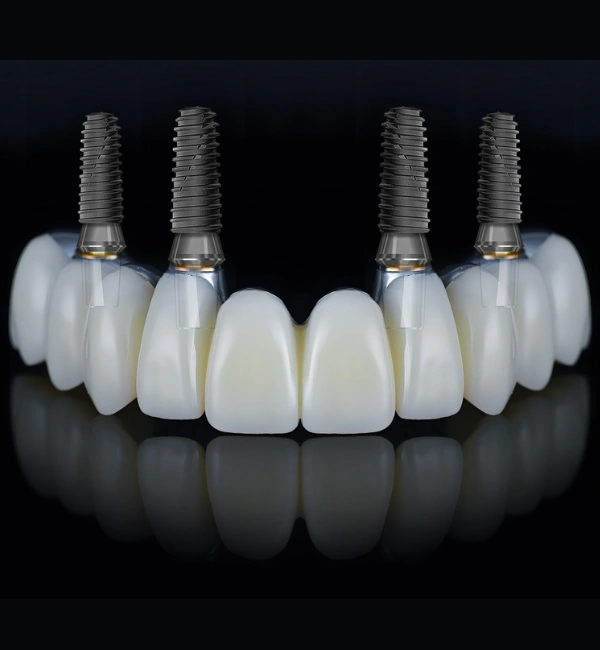
Orthodontics is often used before procedures like implants, crowns, or bridges to properly align the teeth and ensure long-term success of these treatments.
Confidence in Personal and Professional Life
A confident smile can influence self-esteem, job opportunities, and social interactions. Many adults view orthodontic treatment as an investment in themselves.
Benefits of Orthodontic Treatment for Adults
Orthodontic treatment offers more than just a straighter smile. It plays a vital role in long-term oral health and overall quality of life. For adults, correcting dental alignment can address both cosmetic concerns and functional problems that may have developed or worsened over time.
Improved Oral Health
Crowded or misaligned teeth can be difficult to clean properly, increasing the risk of plaque buildup, gum disease, and tooth decay. Straightening teeth makes brushing and flossing more effective, leading to healthier gums and teeth.
Reduced Risk of Dental Problems
Misalignment can cause uneven wear on the teeth, leading to premature damage or tooth sensitivity. Orthodontic treatment helps balance your bite and reduce pressure on specific teeth.
Relief from Jaw Pain or Dysfunction
In some cases, orthodontic issues contribute to temporomandibular joint (TMJ) problems, headaches, or difficulty chewing. Correcting the bite can relieve these symptoms and improve jaw function.
Better Support for Dental Restorations
Proper alignment creates a stable foundation for crowns, implants, and bridges, improving their longevity and performance. Orthodontics may be a key step in full-mouth rehabilitation.
Boost in Confidence
A straighter smile often leads to improved self-esteem and greater confidence in both personal and professional settings. Many adults report feeling more comfortable smiling and speaking after treatment.
Problems with Braces in Adults
While braces can bring significant benefits, adult orthodontic patients may face some unique challenges during treatment. Recognizing these issues and how to manage them, can help make the experience smoother. Here are the top five difficulties reported by many adults, along with coping strategies based on insights from professionals:
Swollen Gums
Braces can irritate sensitive gum tissue, especially in adults with pre-existing gum inflammation. Poor oral hygiene frequently contributes to this swelling. To ease discomfort, thorough brushing and flossing are crucial, along with warm saltwater rinses. If inflammation persists, your orthodontist may recommend professional cleaning or periodontal care.
Food Trapped in Brackets
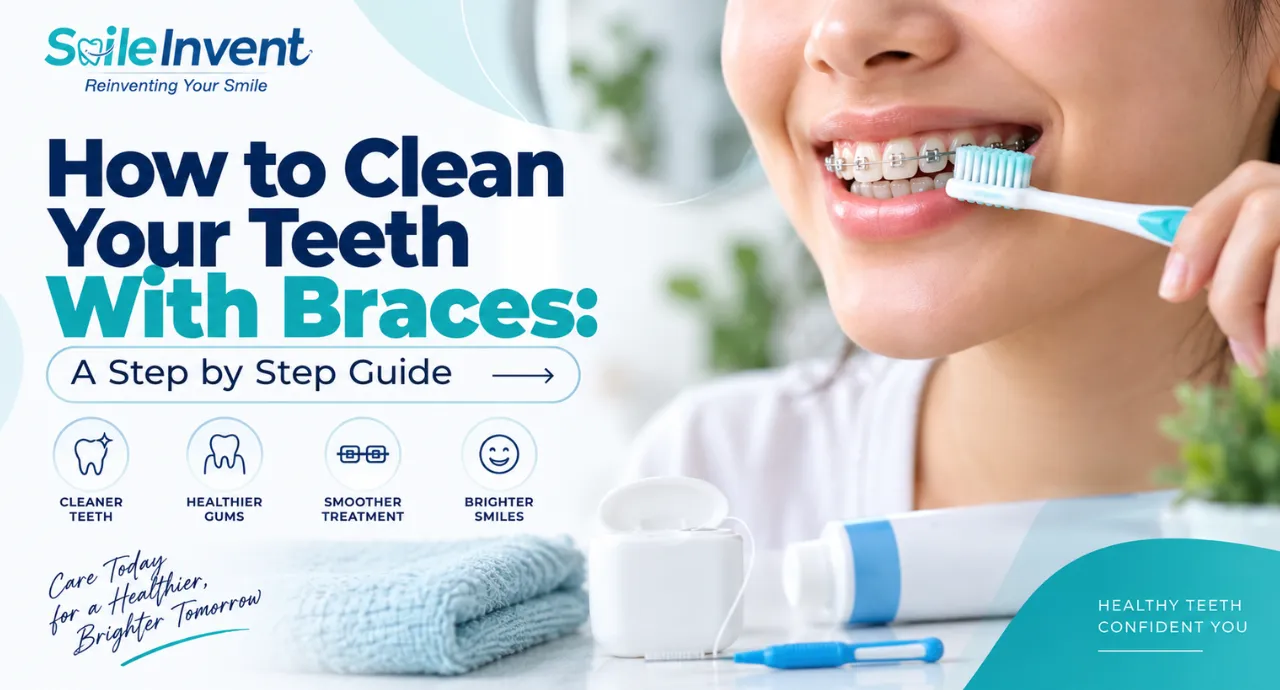
The structures of braces create spaces where food easily gets lodged, increasing risk for plaque buildup and decay. Sticky or hard foods are the worst offenders. To manage this: follow dietary guidelines from your orthodontist, avoid problematic foods, brush thoroughly after meals, and floss carefully using tools like floss threaders or interdental brushes.
Mouth Irritation
Brackets and archwires often rub against the lips, cheeks, and tongue, causing soreness or minor cuts. Applying orthodontic wax over rough spots, rinsing with salt water, and asking your provider for minor adjustments can reduce irritation.
Broken Wires or Brackets
Brackets or archwires may dislodge or break—often due to biting hard or sticky foods. If this occurs, applying orthodontic wax over the affected area can prevent further irritation until you can visit the orthodontist for repair. Prompt repair helps keep treatment on schedule.
Tooth Tenderness or Discomfort
New or tightened braces apply force to move teeth, causing sensitivity or pain, particularly after adjustments. Over‑the‑counter pain relievers, a diet of soft foods like yogurt or soup, and avoiding hard bites during this time can make the first few days more comfortable.
Available Treatment Options for Adult Orthodontics
Adults today have access to a variety of orthodontic treatments that are both effective and suitable for different lifestyles, aesthetic preferences, and dental conditions. Whether you're seeking subtlety, comfort, or speed, there is a solution designed to fit your goals.
Here are the most common treatment options for adult orthodontics:
Metal Braces
Traditional metal braces are the most durable and effective method, particularly for complex cases involving significant misalignment or bite issues. While more visible, they remain a reliable choice with consistent results.
Ceramic Braces
Ceramic braces function like metal braces but are made with clear or tooth-colored materials that blend in with natural teeth. They are less noticeable, making them a popular choice for adults who want a discreet option without switching to aligners.
Clear Aligners
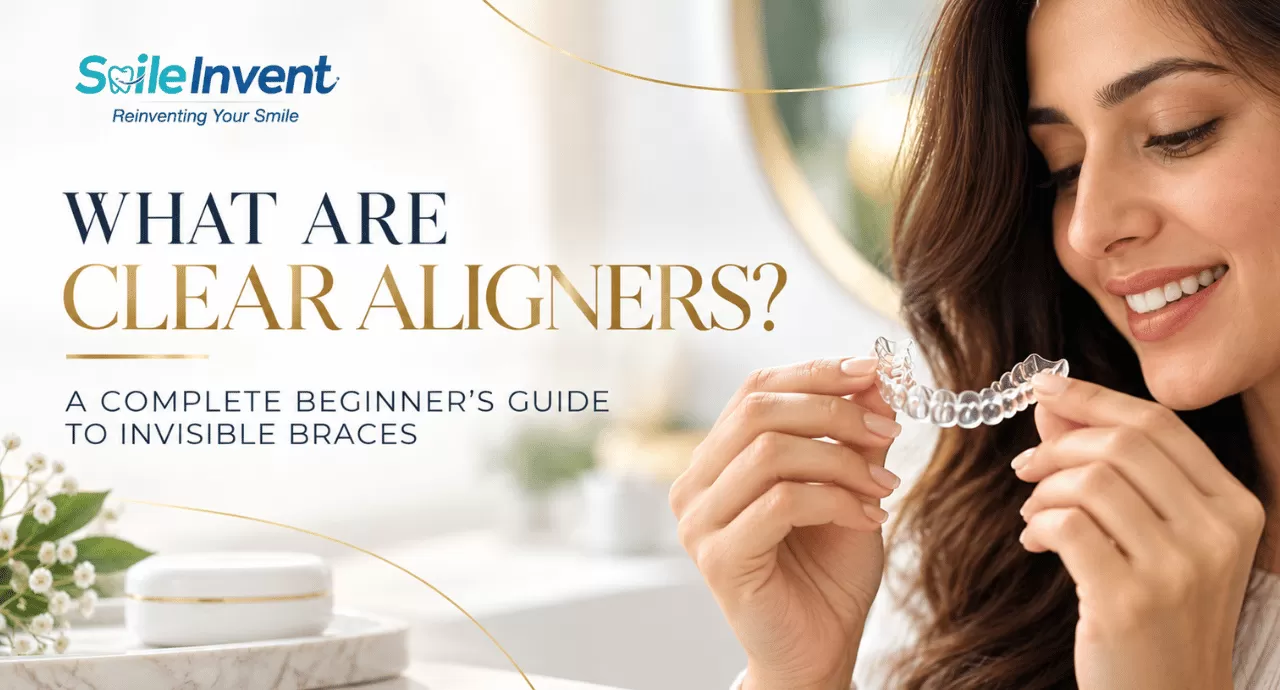
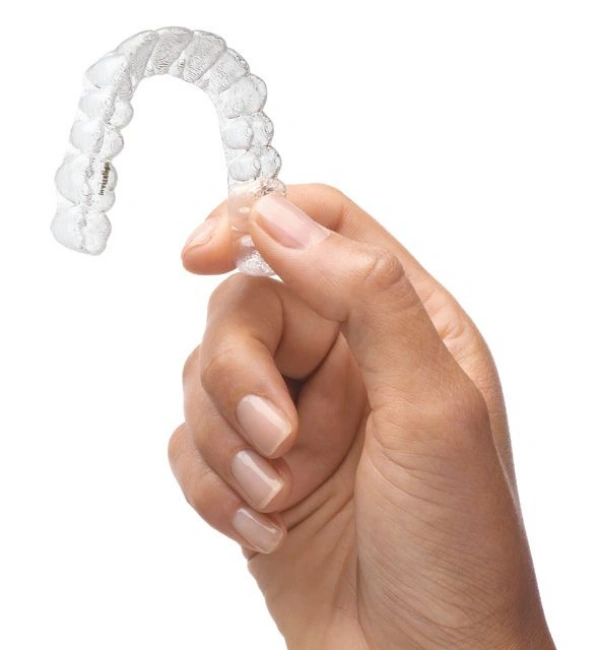
Clear aligners are nearly invisible trays that gradually move teeth into place. Popular in adult orthodontics, they offer flexibility during meals and oral hygiene routines. Best for mild to moderate cases, they provide both convenience and aesthetics.
Lingual Braces
Lingual braces are placed on the inner surfaces of the teeth (facing the tongue), making them invisible from the outside. They’re highly aesthetic but can take time to get used to and may not be suitable for all bite types.
Self-Ligating Braces
These braces use a specialized clip instead of elastic bands to hold the wire in place. This can reduce friction and make adjustments quicker. Both metal and ceramic versions are available.
Retainers (Post-Treatment)
After active treatment, adults will need retainers to keep the teeth in their new positions. Retainers can be fixed or removable and must be worn as instructed to prevent relapse.
Myths About Orthodontic Treatment for Adults
Orthodontic treatment is still surrounded by misconceptions, especially when it comes to adults. Let’s break down some of the most common myths and clarify the facts behind them.
Orthodontics is just for children or teens
Orthodontics works effectively at any age. While it's common to see braces in kids or teens, adults also benefit from treatment. Today, one in four orthodontic patients is over 18. Whether you're fixing long-term issues or making room for restorative work, adult treatment is both safe and effective when supervised by a trained orthodontist.
It will ruin my professional image
Modern orthodontics offers discreet solutions suited for adults in the workplace. Clear aligners and ceramic or lingual braces make it possible to straighten teeth without drawing attention. You can continue speaking, smiling, and meeting clients with confidence during treatment, often without anyone noticing you’re wearing braces.
Braces are painful and uncomfortable
Braces today are far more advanced and comfortable than they were decades ago. You might feel slight pressure or soreness after adjustments, but it’s temporary and manageable. Orthodontic wax, soft food, and over-the-counter pain relief typically reduce early discomfort. Most patients adjust quickly and feel little day-to-day disruption.
Adult treatment takes much longer
Treatment time depends on the complexity of your case, not your age. Many adult cases are completed in 12–24 months. Technologies like digital planning and high-efficiency braces or aligners can actually shorten treatment time compared to traditional methods.
Orthodontics is purely cosmetic
While a straighter smile looks good, the benefits go beyond appearance. Proper alignment improves bite function, makes oral hygiene easier, reduces jaw pain, and helps prevent gum disease, tooth wear, and even bone loss. It’s about improving oral health and overall function, not just aesthetics.
Orthodontists only offer metal braces
Adults today can choose from a wide variety of treatment options, including clear aligners (like Invisalign), ceramic braces, and lingual braces that are hidden behind the teeth. Your orthodontist will recommend a solution based on your goals, lifestyle, and oral health needs.
Once braces come off, you’re done for good
Wearing a retainer after treatment is essential to keep your teeth in their new positions. Without it, teeth may gradually shift back. Retainers are easy to wear and usually only needed at night, making them a simple but critical step in maintaining long-term results.
Orthodontic treatment is too expensive
Many practices offer payment plans, accept insurance, and even provide free consultations. Compared to the long-term cost of dental repairs from untreated alignment issues, orthodontics can be a smart investment in your health and confidence. Plus, early correction helps prevent costly problems in the future.
Why It’s Never Too Late for Orthodontics
Orthodontic treatment is not just for children or teenagers. Adults of all ages, 30s, 40s, 50s, even 60s and beyond are choosing to begin or restart orthodontic care. With advancements in techniques and technology, it is entirely possible to achieve proper tooth alignment later in life.
Age Is Not a Limiting Factor
Tooth movement is a biological process that can occur at any age as long as the gums and surrounding bone are healthy. While children and teens often benefit from developing bones, adults still respond well to orthodontic forces. The main difference is that treatment may take slightly longer due to mature bone density but the outcome is just as effective.
Improved Oral and Overall Health
Straight teeth are easier to clean, which reduces the risk of gum disease, tooth decay, and enamel wear. Adults with misaligned teeth may also experience jaw pain, difficulty chewing, or even speech problems, all of which can be addressed through orthodontic correction. Proper alignment can also support better digestion and prevent long-term dental complications.
Reasonable Treatment Timelines
Contrary to popular belief, adult treatment does not take forever. Many cases are completed in 12 to 24 months, and even complex corrections are achievable within a manageable time frame. Clear aligners and modern bracket systems have improved the speed and comfort of treatment for adults.
Aesthetic and Emotional Benefits
A well-aligned smile can boost self-esteem and confidence, especially in social or professional settings. Many adult patients report feeling more comfortable speaking, smiling, and interacting with others after treatment. It’s not uncommon for adults to say they wish they had done it sooner.
Discreet Treatment Options
Modern orthodontic systems allow adults to choose less visible options, such as clear aligners, ceramic braces, or lingual braces that sit behind the teeth. These solutions are designed to fit an adult lifestyle and are often barely noticeable to others.
Long-Term Value
Investing in orthodontic treatment as an adult is not only about aesthetics. It can also prevent the need for more extensive dental work later in life. Misaligned teeth may lead to uneven wear, tooth loss, or jaw issues. Addressing these problems now can reduce future costs and protect your overall dental health.
FAQs
1. Do orthodontics work on adults?
Yes, orthodontics work very well on adults. Teeth can be moved at any age as long as the gums and bone supporting the teeth are healthy. Adults regularly achieve excellent results using modern techniques such as clear aligners, ceramic braces, or traditional systems.
2. What is the maximum age for orthodontics?
There is no age limit for orthodontic treatment. People in their 50s, 60s, and even 70s have successfully completed orthodontic care. The key requirement is having healthy gums and bones to support tooth movement.
3. How long does adult orthodontic treatment take?
Treatment typically takes 12 to 24 months, depending on the complexity of the case and the chosen treatment method. Some minor alignment cases may be completed in less than a year, especially with clear aligners.
4. Are there discreet options available for adults?
Yes. Adults can choose from less visible options like clear aligners, ceramic braces, and lingual braces (which are placed behind the teeth). These options are effective and more suitable for professional or social settings.
5. Is orthodontic treatment only cosmetic?
No. Orthodontics also improves oral health. Correcting misaligned teeth makes them easier to clean, helps prevent gum disease, reduces uneven wear, and can relieve jaw pain caused by bite issues.
Conclusion
Orthodontic treatment isn’t limited by age. Many adults are now choosing braces or aligners to improve both their dental health and appearance. With today’s discreet options and predictable results, it's possible to achieve a healthier, more confident smile at any stage of life.
If your teeth and gums are healthy, it’s never too late to consider orthodontic care. At Smile Invent Dental Clinic, our experienced team can guide you toward the best treatment option for your unique needs. Book a consultation and take the first step towards your perfect smile.
This article is general information, not a diagnosis. For advice about your own teeth, book a consultation.