
Table of Contents
A healthy smile starts with preventing dental problems before they happen. One simple way to do that is with dental sealants. A dental sealant is a thin protective coating placed on the chewing surface of the back teeth. These teeth have deep grooves where food and bacteria can easily get trapped, making them more likely to develop cavities. Sealants create a protective layer that keeps these areas clean and reduces the risk of tooth decay.
Many people think dental sealants for kids are only for children, but that is not always true. While children and teenagers benefit the most because their permanent molars are still new, dental sealants for adults can also be a good option if their teeth are healthy and have deep pits or grooves. The procedure is quick, painless, and does not require drilling or injections, making it one of the easiest preventive dental treatments available.
In this guide, you'll learn what dental sealants are, who should get them, how the dental sealant procedure works, the benefits, possible limitations, cost in India, and how to care for your teeth after treatment. If you're looking for an easy way to protect your smile or your child's teeth from cavities, this guide will help you decide if a tooth sealant is the right choice.
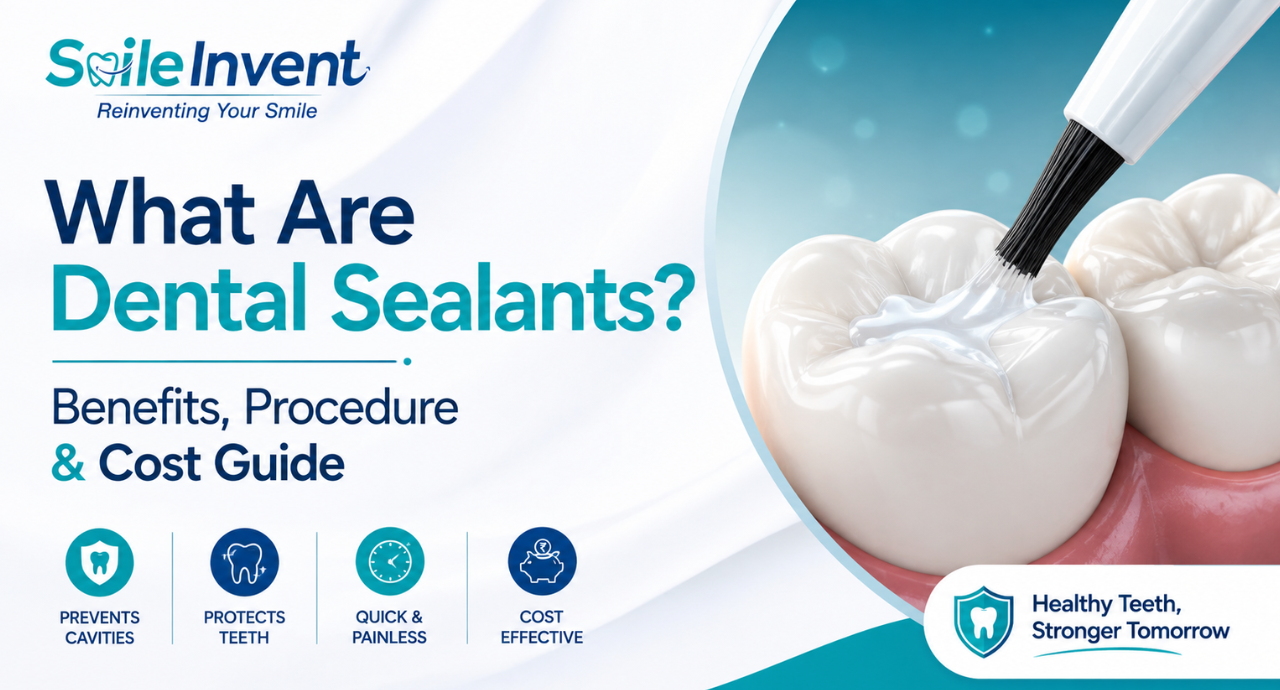
Dental sealants are thin protective coatings that are applied to the chewing surfaces of the back teeth, especially the molars and premolars. These teeth have small pits and grooves that are difficult to clean with a toothbrush. Food particles and bacteria can settle in these areas, increasing the chance of cavities. If left untreated, they may lead to tooth decay, especially in children. Learn more about cavities in kids. A tooth sealant covers these grooves and creates a smooth surface, making it harder for plaque to build up.
Most dental sealants are made from a safe, tooth colored resin material that bonds to the enamel. The treatment is completely preventive, which means it is used to protect healthy teeth before decay begins. Once the sealant is in place, it acts like a shield against bacteria and acids that can damage the tooth.
Many people associate pediatric dental sealants with children because they are commonly recommended after the first and second permanent molars appear. They are often included as part of pediatric dental care to help protect young teeth from cavities. But sealants are not limited to kids. Dental sealants for adults can also be helpful if the teeth are healthy and have deep grooves that are difficult to clean. A dentist will examine your teeth and recommend sealants only if they are suitable for your oral health.
Many people think dental sealants are only meant for children, but they can benefit people of different age groups. The best time to get a dental sealant is soon after the permanent molars erupt because these teeth are more likely to develop cavities in their early years. Protecting them early can help keep them healthy for a long time.
Dental sealants for kids are usually recommended when the first permanent molars appear, around the age of 6, and again when the second permanent molars come in, around the age of 12. Since children often find it difficult to clean the deep grooves of their back teeth properly, sealants provide an extra layer of protection against cavities. They are especially useful for children who have a higher risk of tooth decay or a history of cavities.
Teenagers can also benefit from pediatric dental sealants if they did not receive them earlier or if their newly erupted molars have deep pits and grooves. As eating habits change and sugary snacks become more common, sealants can help reduce the risk of decay during these years.
Many people are surprised to learn that dental sealants for adults are also an option. Adults with healthy molars that have deep grooves and no fillings or cavities may benefit from sealants. Your dentist will check the condition of your teeth and suggest whether a tooth sealant is the right preventive treatment for you.
One of the biggest benefits of dental sealants is that they help prevent cavities before they start. The chewing surfaces of the back teeth have tiny grooves where food and plaque can collect, even after regular brushing. A tooth sealant covers these areas and creates a smooth protective layer, making it easier to keep the teeth clean. This simple treatment can lower the risk of tooth decay and reduce the need for dental fillings in the future.
The procedure is quick, painless, and does not involve drilling or injections. That is why dental sealants for kids are widely recommended as part of preventive dental care. They can also be a good option for adults with healthy molars that have deep grooves. When combined with good oral hygiene and regular dental checkups, dental sealants for adults and children can provide long lasting protection for the teeth.
Getting dental sealants is a simple and comfortable procedure that usually takes only a few minutes for each tooth. There is no drilling, no injections, and no removal of tooth structure. The sealant is applied directly to the chewing surface of the tooth, where it quickly bonds to the enamel and forms a protective layer against cavities.
The treatment is commonly recommended for children after their permanent molars erupt, but dental sealants for adults can be equally effective when the teeth are healthy and suitable for the procedure. Once the sealant hardens, you can eat and drink as usual unless your dentist advises otherwise.
Most dental sealant appointments are completed within 15 to 30 minutes, depending on the number of teeth being treated. Since the procedure is painless and does not require recovery time, most people can return to their normal activities immediately after the appointment.
Dental sealants are designed to provide long lasting protection against cavities. With proper care, they can last 5 to 10 years or even longer in some cases. Their lifespan depends on factors such as your oral hygiene, eating habits, and whether you grind your teeth or frequently chew hard foods.
Although dental sealants are durable, they are not permanent. They can wear down, chip, or come off over time due to regular chewing. That is why regular dental checkups are important. During your visit, your dentist will examine the sealants and let you know if they need to be repaired or replaced. Reapplying a dental sealant is a simple and quick procedure if needed.
Yes, dental sealants are considered safe for both children and adults. They have been used in dentistry for many years to help prevent cavities and are recommended by dental professionals around the world. The material used for a dental sealant is designed to bond safely to the tooth surface without damaging the natural enamel.
Some people are concerned about the small amount of BPA that may be present in certain sealant materials. Research shows that the amount, if any, is extremely low and much lower than the BPA people are exposed to through everyday sources such as food and drinks. The benefits of protecting teeth from cavities are considered far greater than this minimal exposure. Your dentist can also choose materials that meet high safety standards and are suitable for your needs.
If you're thinking about getting dental sealants, it's natural to wonder if the procedure will be painful. The good news is that it is one of the easiest and most comfortable preventive dental treatments available. Since the sealant is applied only to the surface of the tooth, there is no drilling, injections, or removal of healthy tooth structure.
The entire process usually takes just a few minutes for each tooth. Your dentist cleans and dries the tooth, applies the dental sealant, and hardens it with a special curing light. Most children and adults don't feel any pain during the procedure, which is why dental sealants for kids are widely recommended to protect newly erupted permanent teeth from cavities.
You may notice that the treated tooth feels slightly different when you bite down for the first day or two. This is completely normal and usually disappears as your mouth adjusts. If the feeling continues or seems unusual, a quick visit to your dentist is all that's needed to check the sealant and make any minor adjustments.
Like any dental treatment, dental sealants have their advantages and limitations. They are one of the most effective ways to prevent cavities on the chewing surfaces of the teeth, especially in children and teenagers. At the same time, they are not suitable for every tooth or every patient. Your dentist will examine your teeth and recommend sealants only if they are the right choice for your oral health.
The biggest advantage of a dental sealant is that it protects healthy teeth before decay starts. This can reduce the chances of needing fillings or other dental treatments in the future. But sealants are not a substitute for brushing, flossing, and regular dental checkups. They work best as part of a good oral care routine.
People often confuse dental sealants with dental fillings, but they serve completely different purposes. A dental sealant is a preventive treatment that protects healthy teeth from developing cavities. A dental filling, on the other hand, is used to repair a tooth that has already been damaged by decay.
If your tooth is healthy but has deep grooves where food and bacteria can collect, your dentist may recommend a tooth sealant to reduce the risk of cavities. If decay has already formed, the damaged part of the tooth needs to be removed and restored with a filling. Choosing preventive care early can often help you avoid more extensive treatments in the future.
The cost of dental sealants in India can vary from one clinic to another. There is no fixed price because the final cost depends on several factors, such as the number of teeth being treated, the material used, the dentist's expertise, and the location of the dental clinic. During your consultation, your dentist will examine your teeth and recommend whether sealants are suitable for you before providing a treatment estimate.
While some people focus only on the upfront cost, it is also worth looking at the long term value. A dental sealant is a preventive treatment that helps protect teeth from cavities. By reducing the risk of tooth decay, it may also lower the chances of needing fillings, root canal treatment, or other more expensive procedures in the future.
If you are considering dental sealants for kids or dental sealants for adults, the best way to know the exact cost is to schedule a dental consultation. Your dentist can assess your oral health, explain the treatment, and provide a personalized estimate based on your needs.
One of the best things about dental sealants is that they do not require any special aftercare. Once the sealant has hardened, it becomes part of the tooth's chewing surface, so you can return to your normal routine. You can eat, drink, brush, and floss as you usually do unless your dentist recommends otherwise.
Even though a dental sealant acts as a protective barrier, it does not protect every part of your tooth. The sides of the teeth and the areas between them are still vulnerable to plaque and cavities. That is why good oral hygiene remains essential. Brushing twice a day, flossing daily and limiting sugary snacks will help keep your entire mouth healthy.
To make sure your sealants continue to protect your teeth, visit your dentist for regular checkups. During these visits, the dentist will examine the sealants for any signs of wear or damage. If a sealant has chipped or worn away, it can usually be repaired or replaced in a single appointment, helping you maintain long term protection against cavities.
The best time to get dental sealants is before a cavity develops. Once tooth decay starts, a sealant can no longer protect that tooth, and another treatment, such as a dental filling, may be needed. That is why regular dental checkups are so important. Your dentist can identify teeth that are at a higher risk of cavities and recommend sealants at the right time.
For children, the ideal time is when the first and second permanent molars erupt, usually between the ages of 6 and 14. Adults can also benefit from dental sealants if they have healthy teeth with deep grooves that trap food and plaque. A dental examination is the best way to determine whether sealants are suitable for your teeth.
Choosing the right dental clinic is just as important as choosing the right treatment. At Smile Invent Dental Clinic, we believe that prevention is the key to a healthy smile. Before recommending dental sealants, our dentists perform a detailed oral examination to check whether your teeth are suitable for the treatment. This personalized approach ensures that every patient receives the care that best fits their oral health needs.
Our team provides dental sealants for kids as well as adults in a comfortable and patient friendly environment. We use high quality dental materials and modern techniques to make the procedure quick, safe, and completely painless. Whether you are bringing your child for preventive dental care or looking to protect your own teeth from cavities, we focus on helping you maintain healthy teeth for years to come.
If you are looking for an experienced dentist in Mumbai who offers preventive dental care, Smile Invent Dental Clinic is here to help. From routine dental checkups to advanced treatments, our team is committed to providing personalized care for every patient. Book a consultation today to find out if dental sealants are the right choice for you or your child.
Yes. In most cases, you can eat and drink soon after the procedure is completed. Your dentist may recommend waiting for a short time depending on the type of sealant used, but most patients can return to their normal routine the same day.
Yes. Dental sealants can be removed or replaced by a dentist if they become worn, chipped, or need to be reapplied. You should never try to remove them yourself.
Yes, in some cases. If a child's baby teeth have deep grooves and are at a high risk of developing cavities, a dentist may recommend dental sealants. The decision depends on your child's oral health.
A damaged or worn sealant does not usually cause pain, but the tooth loses its protective layer. Visit your dentist so the sealant can be checked and replaced if necessary.
Some dental insurance plans cover dental sealants, especially for children. The coverage varies depending on your insurance provider and policy, so it is best to check with your insurer or dental clinic.
Dental sealants are meant to protect healthy teeth before decay develops. If a tooth already has a cavity, your dentist may recommend a dental filling or another suitable treatment instead.
Dental sealants should be checked during your routine dental visits, usually every six months. Your dentist will make sure they are still intact and protecting your teeth effectively.
If you've been wondering what are dental sealants, the answer is simple. They are a safe, quick, and effective way to protect teeth from cavities before they develop. By covering the deep grooves on the chewing surfaces of the teeth, dental sealants help reduce the risk of tooth decay and support better oral health. They are especially beneficial for children with newly erupted permanent teeth, but many adults can also benefit from this preventive treatment.
Whether you're considering dental sealants for kids or exploring preventive care for yourself, the right guidance from a dentist can make all the difference. At Smile Invent Dental Clinic, our experienced dentist in Mumbai will assess your oral health and recommend the most suitable treatment based on your individual needs. Book a consultation today and take a simple step towards protecting your smile for years to come.
Walk into any supermarket or pharmacy and you will find toothpast...
Read More
Wearing braces can make your daily brushing routine a little more...
Read More
Have you ever noticed a small white mark on your tooth while look...
Read More