
Table of Contents
Pediatric dental care is an important part of a child’s overall health. Healthy teeth allow children to eat comfortably, speak clearly, and smile with confidence. Early care also prevents common dental issues such as cavities and gum problems. Many parents are unsure when to begin oral care or how to maintain it as their child grows. By learning the basics of children’s oral hygiene, you can protect your child’s smile and set the foundation for strong teeth and gums for life. This guide covers everything parents need to know about maintaining their child’s oral health, from the first tooth to regular dental visits.
Regular teeth cleaning is one of the most important steps in pediatric dental care. Children’s teeth have a thinner layer of enamel compared to adults, making them more vulnerable to cavities. Daily brushing removes plaque, a sticky film of bacteria and leftover food particles that can damage teeth and gums. Proper cleaning also helps prevent bad breath, gum inflammation, and early tooth loss.
Starting this habit early teaches children the value of oral hygiene and makes brushing and flossing a natural part of their daily routine. Consistent teeth cleaning not only protects their current smile but also supports healthy permanent teeth as they come in.
Dental care should begin as soon as your child’s first tooth appears, usually between 6 and 12 months of age. Even before teeth erupt, you can gently wipe your baby’s gums with a clean, damp cloth after feedings to keep their mouth clean.
Once the first tooth comes in, start brushing it twice a day using a soft-bristled baby toothbrush and a smear of fluoride toothpaste about the size of a grain of rice. By the age of 3, you can increase the amount of toothpaste to a pea-sized quantity.
The American Academy of Pediatric Dentistry recommends that children have their first dental visit by their first birthday. Early checkups help detect any dental concerns and give parents the right guidance on caring for their child’s teeth.
Teaching children how to brush and floss correctly is key to preventing cavities and gum problems. Until about the age of 6 or 7, children may not have the hand coordination needed to clean their teeth thoroughly, so parents should assist or supervise.
Making brushing and flossing fun through songs, timers, or colorful toothbrushes, can help children build consistent oral hygiene habits.
Fluoride is a natural mineral that strengthens tooth enamel and helps protect against cavities. It works by making the enamel more resistant to acid attacks from plaque bacteria and sugars in the mouth. For children, the right amount of fluoride is essential to keep developing teeth strong and healthy.
When used correctly, fluoride and fluoride treatments are safe and highly effective in protecting children’s oral health.
A balanced diet plays a major role in keeping children’s teeth and gums healthy. Foods rich in vitamins, minerals, and calcium help strengthen tooth enamel, while limiting sugary snacks reduces the risk of cavities.
Encouraging children to drink plenty of water, especially after meals, helps wash away food particles and maintain a healthy mouth. A nutritious diet, combined with regular brushing and fluoride treatment, can protect your child’s smile for years to come. You can also follow these tips for maintaining oral hygiene to ensure overall dental health.
Even with good oral care, children can face certain dental issues that need timely attention. Knowing the most common problems can help parents take preventive steps and seek dental care early.
One of the most frequent issues in children, cavities occur when plaque bacteria produce acids that weaken tooth enamel. Sugary snacks, poor brushing, and irregular dental visits increase the risk.
Inflammation or bleeding gums can be an early sign of gingivitis. This is often caused by plaque buildup and can be prevented with proper brushing and flossing.
Children may complain of discomfort when eating hot, cold, or sweet foods. Sensitivity can be due to enamel wear, cavities, or gum recession.
Losing baby teeth too soon can affect speech, chewing, and the alignment of permanent teeth. Dental visits can help monitor and manage this.
Prolonged habits can affect tooth alignment and jaw growth. Pediatric dentists can guide parents on how to manage these habits.
Addressing these problems early, along with preventive care like fluoride treatment and regular checkups, can keep your child’s smile healthy.
Preventive dental care focuses on stopping problems before they start. For children, these treatments help protect developing teeth and maintain good oral health as they grow.
Professional cleanings remove plaque and tartar that daily brushing can’t always reach, lowering the risk of cavities and gum disease.
Applied by a pediatric dentist, fluoride varnish strengthens tooth enamel and makes it more resistant to decay. It’s a quick, painless procedure recommended during routine checkups.
Sealants are thin protective coatings applied to the chewing surfaces of back teeth. They act as a barrier against food and bacteria, greatly reducing the chance of cavities.
If a baby tooth is lost early, a space maintainer can hold the gap open for the permanent tooth, preventing crowding or misalignment.
Pediatric dentists can guide parents and children on breaking habits like thumb sucking, nail biting, or prolonged pacifier use to prevent dental issues.
Combining these treatments with a healthy diet, good oral hygiene habits, and regular checkups provides strong protection for your child’s teeth.
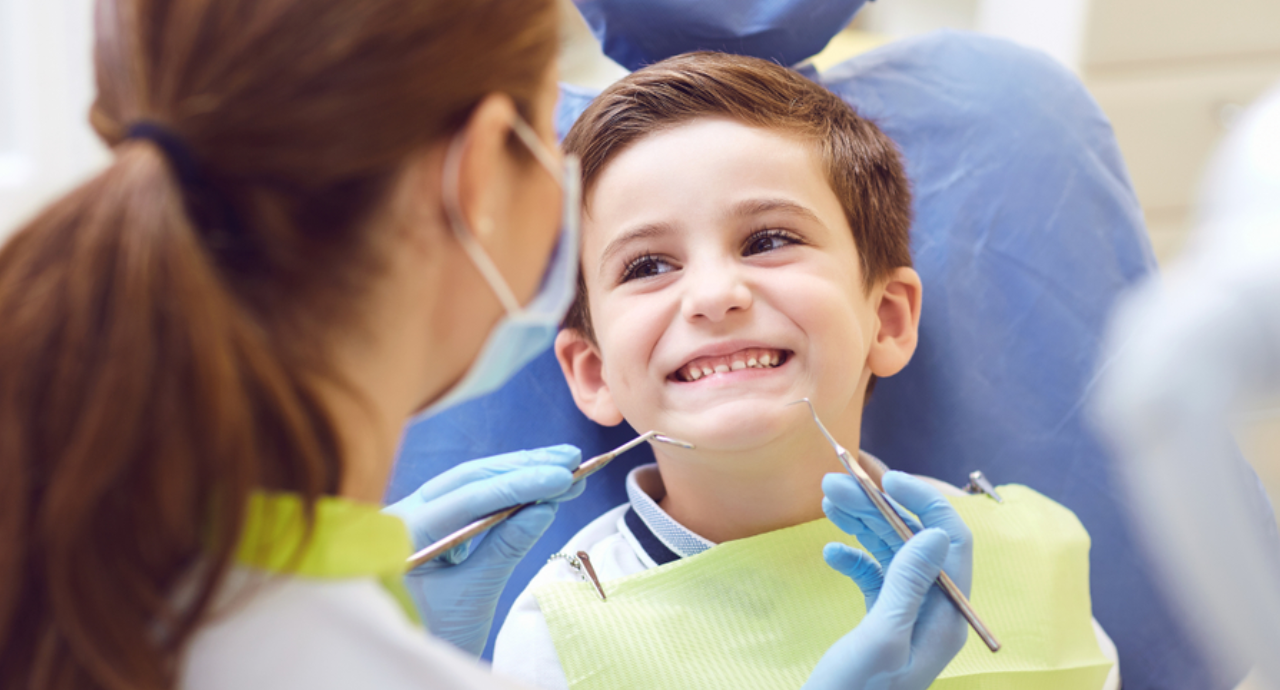
Routine dental visits are essential for maintaining children’s oral health. Regular checkups allow pediatric dentists to monitor tooth development, identify early signs of cavities or gum issues, and provide preventive care like cleanings, sealants, and fluoride treatment.
These visits also help children get comfortable in a dental setting, reducing fear and anxiety about future treatments. Early detection of problems can save time, cost, and discomfort, ensuring that your child’s smile stays healthy as they grow.
Most children should have a dental checkup every six months, but your pediatric dentist may recommend more frequent visits based on your child’s needs. Consistent dental care builds the foundation for lifelong oral health.
At Smile Invent Dental Clinic, we understand that children need gentle, personalized care to feel comfortable during their dental visits. Our Pediatric dental team focuses on creating a friendly and welcoming environment, making each appointment a positive experience.
We offer a full range of children’s dental services, including preventive treatments like dental sealants and fluoride treatment, routine checkups, and care for common Pediatric dental problems. Using modern equipment and child-friendly techniques, we aim to keep every visit stress-free while ensuring the highest standard of care.
Whether it’s your child’s first dental visit or ongoing care, Smile Invent Dental Clinic is committed to supporting parents in maintaining their child’s oral health for years to come.
Your child should visit a Pediatric dentist by their first birthday or within six months of their first tooth appearing.
Most children need a dental checkup every six months. Your pediatric dentist may recommend more frequent visits based on your child’s oral health needs
Yes, fluoride treatment is safe when applied in the right amount by a dental professional. It strengthens tooth enamel and helps prevent cavities.
Yes, healthy baby teeth are important for proper chewing, speech development, and guiding permanent teeth into the correct position.
Encourage twice-daily brushing with fluoride toothpaste, floss once teeth start touching, limit sugary foods and drinks, and schedule regular dental checkups with preventive treatments like sealants.
So, caring for your child’s teeth from an early age sets the stage for a lifetime of healthy smiles. Pediatric dental care isn’t just about brushing, it’s about building habits that protect teeth and gums, preventing problems before they start.
By encouraging daily brushing and flossing, choosing a tooth-friendly diet, and scheduling regular dental checkups with preventive treatments like fluoride application and sealants, you give your child the best start for strong oral health.
With your support and the guidance of a trusted Pediatric dentist, your child can grow up with the confidence of a bright, healthy smile.
Walk into any supermarket or pharmacy and you will find toothpast...
Read More
Wearing braces can make your daily brushing routine a little more...
Read More
Have you ever noticed a small white mark on your tooth while look...
Read More