



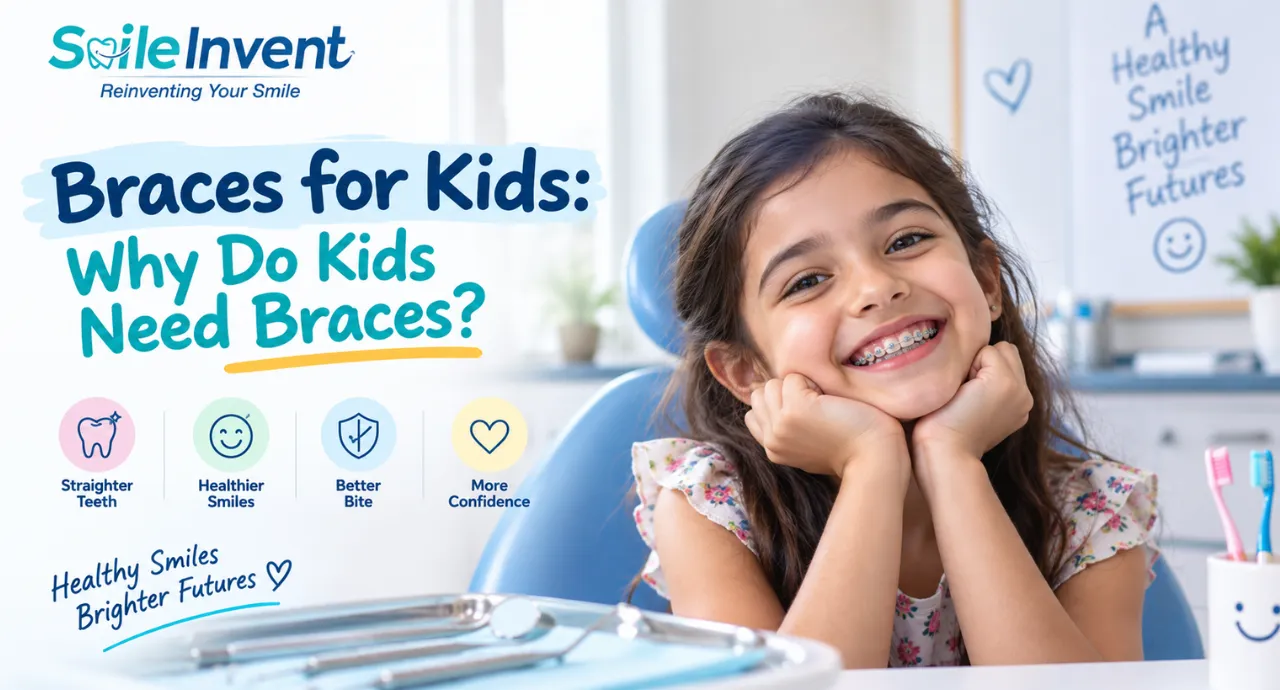
Braces for kids are used to correct problems such as crooked or crowded teeth, gaps, and bite or jaw alignment issues. They can improve how a child’s teeth function, make oral hygiene easier, and guide tooth and jaw development when treatment is needed.
Not every child needs braces at the same age. An orthodontic evaluation helps determine whether treatment is needed and the right time to begin.
Why Do Kids Need Braces?
Kids may need braces when their teeth or jaws are not developing or aligning properly. Common reasons include crowded or crooked teeth, gaps between teeth, overbite, underbite, crossbite, and certain problems with tooth or jaw development.
Braces gradually move the teeth into better positions and can help improve bite function and alignment. However, the need for braces and the right treatment time vary from child to child.
- Crowded or overlapping teeth
- Crooked teeth
- Gaps between teeth
- Overbite
- Underbite
- Crossbite
- Problems with jaw or tooth development
- Certain effects of habits such as prolonged thumb sucking
Role of Orthodontics in Kids’ Lives
Orthodontics is a specialized branch of dentistry that focuses on correcting the position of teeth and the way the jaws fit together. For children, orthodontic care can shape the development of their smile as they grow. When teeth are aligned correctly, brushing becomes easier and the risk of cavities or gum problems reduces through proper pediatric dental care. A proper bite also supports speech development and comfortable chewing.
Beyond oral health benefits, straight teeth help children feel good about their appearance. Orthodontic treatment can improve how they interact with friends and participate in school activities. By guiding jaw growth and tooth alignment at the right time, orthodontics creates a strong foundation for a healthier and more confident future.
What Are Braces?
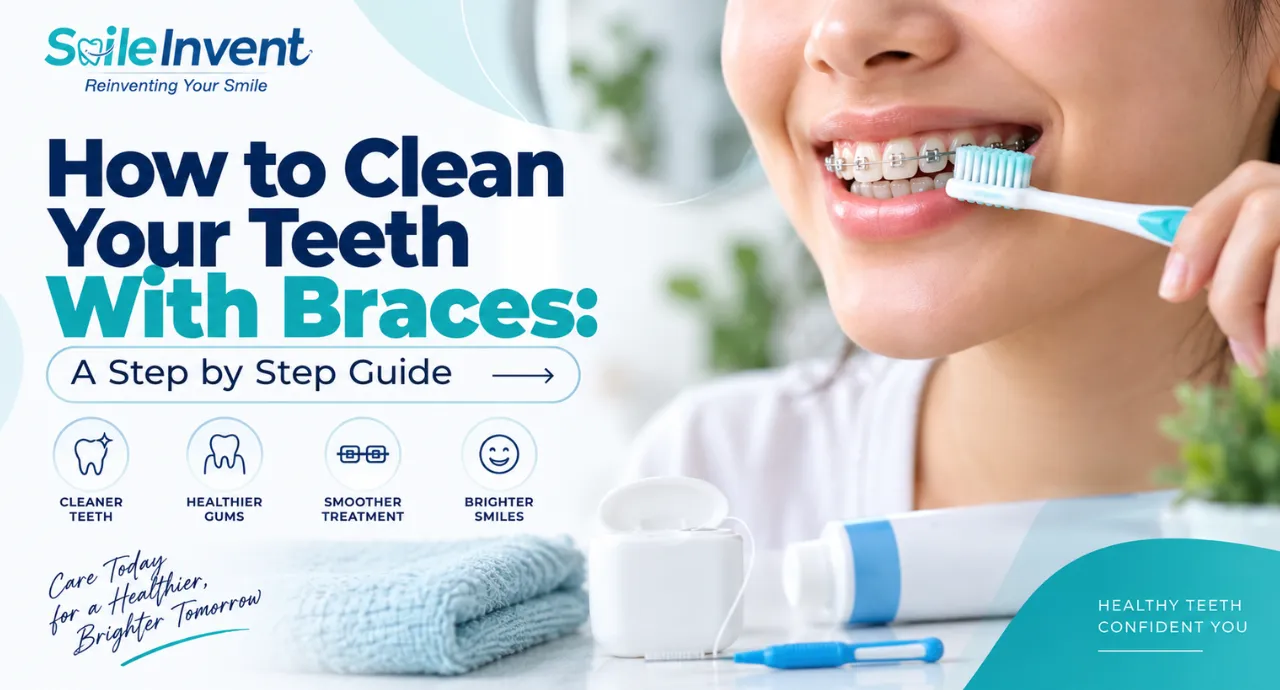
Braces are orthodontic devices designed to straighten teeth and correct bite problems. They apply gentle and continuous pressure to guide teeth into their proper positions over time. Braces consist of components like brackets, wires, and sometimes elastic bands, each working together to gradually move the teeth.
For growing children, braces not only fix crooked teeth or gaps but also help ensure proper jaw alignment. They can prevent bigger dental issues in the future, making oral care easier and maintaining long-term dental health. Today, braces come in different styles that suit both functional needs and appearance preferences for kids. You can learn more about our teeth braces treatment.
Types of Braces for Kids
Every child’s smile is unique, and so are the orthodontic treatments available. Parents today can choose from different types of braces that suit comfort, appearance, and treatment goals.
Metal Braces
These are the most common and durable options for kids. Metal brackets and wires gradually move the teeth into alignment. They are reliable and often the fastest option for more complex cases.
Ceramic Braces
These work like metal braces but are made from tooth-colored material, making them less noticeable. They are a good choice for children who are conscious about their smile.
Self-Ligating Braces
These braces use a special clip instead of elastic bands to hold the wire in place. They may require fewer adjustments and offer more comfort.
Clear Aligners (For Select Kids)
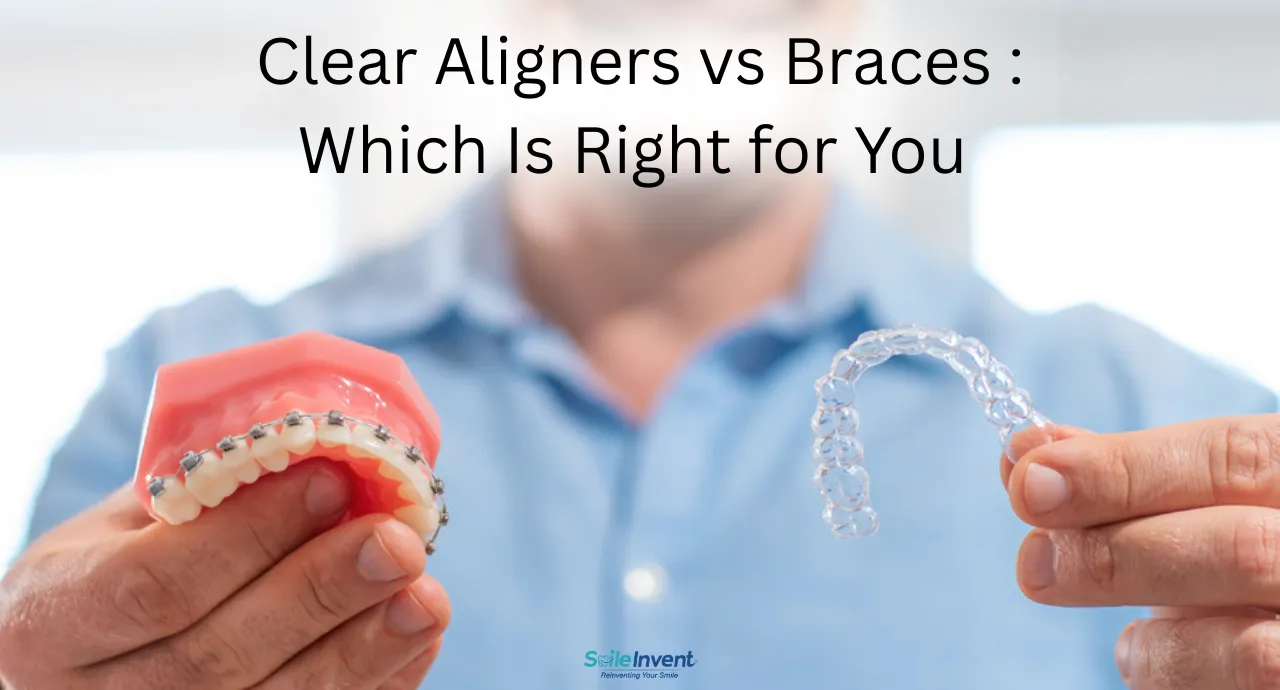
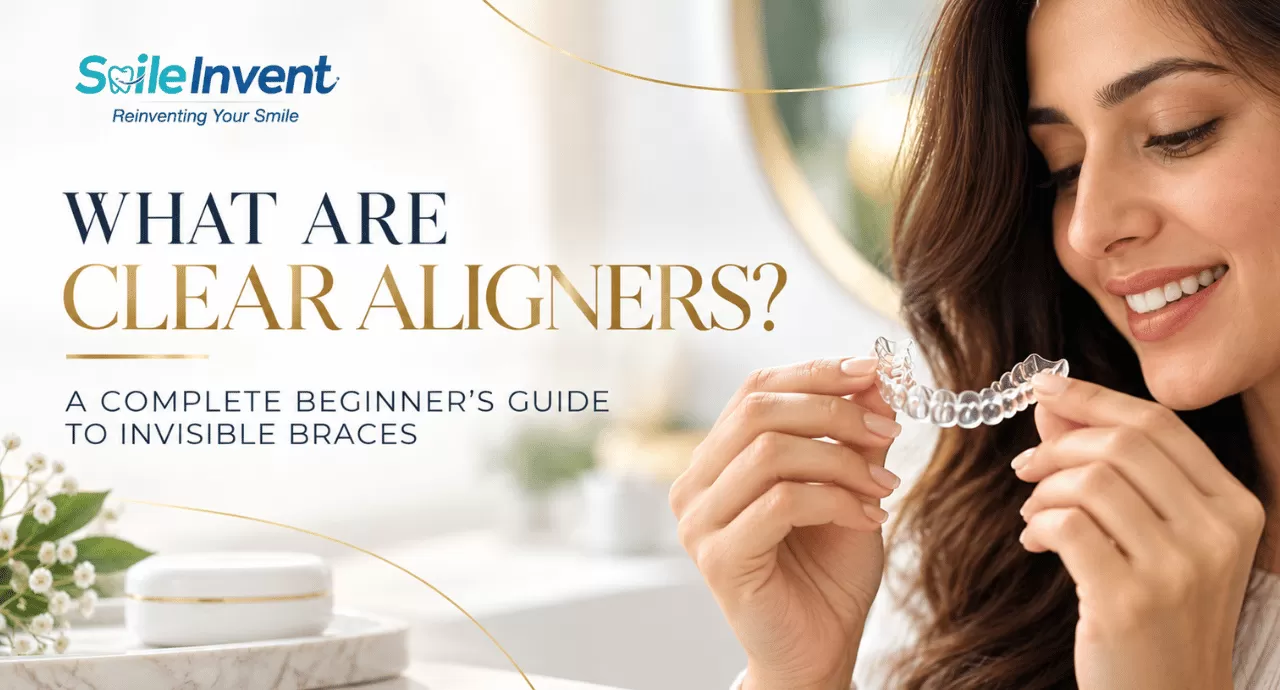
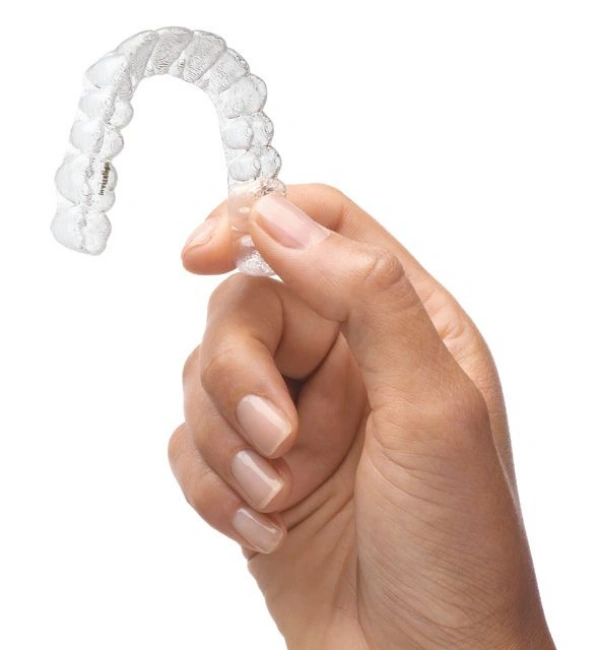
Aligners are removable trays that straighten teeth without brackets or wires. They are suitable for mild alignment issues and require discipline to wear for the recommended hours daily.
Why Kids Need Braces – Top Reasons
Children may need braces for various dental and jaw alignment issues that affect both function and appearance. One of the most common reasons is crowded or crooked teeth, which can make brushing and flossing difficult and increase the risk of cavities. Some kids develop gaps between teeth that may lead to speech concerns or bite problems if not corrected.
A misaligned bite such as overbite, underbite, or crossbite—can cause chewing difficulties, uneven tooth wear, and even jaw pain over time. Habits like thumb sucking, early tooth loss, or mouth breathing may also affect the way a child’s teeth grow. With braces for kids, these challenges are addressed early, supporting healthier oral development as they grow.
What Is the Best Age for Braces?
There is no single best age for every child to get braces. The American Association of Orthodontists recommends that children have their first orthodontic evaluation by age 7. This allows an orthodontist to identify developing problems with tooth alignment, bite, or jaw growth and decide whether treatment is needed now or later.
Braces are often considered later, when more permanent teeth have erupted, but the timing depends on the child's individual dental development and treatment needs.
What Are the Signs a Child May Need Braces?
Some children may show signs that their teeth or bite are not developing as expected. Common signs that may indicate a need for orthodontic evaluation include:
- Crowded or overlapping teeth – Teeth may not have enough space to grow properly.
- Teeth that stick out – Front teeth that noticeably protrude may be related to alignment or bite problems.
- Difficulty biting or chewing – Problems with how the upper and lower teeth meet can affect eating.
- Jaw shifting when opening or closing – The jaw may move to one side when the child bites down or opens their mouth.
- Early or late loss of baby teeth – Losing baby teeth earlier or later than expected can sometimes affect the position of permanent teeth.
- Persistent mouth breathing – Ongoing mouth breathing may be associated with certain oral or jaw development concerns and may warrant an evaluation.
- Thumb-sucking habits affecting tooth position – Prolonged thumb sucking can contribute to changes in tooth alignment or bite.
- Difficulty cleaning between crowded teeth – Crowded or overlapping teeth can make brushing and cleaning between teeth more difficult.
If you notice any of these signs, a dentist or orthodontist can evaluate your child's teeth, bite, and jaw development to determine whether orthodontic treatment is needed and when it should begin.
What to Expect When Getting Braces for Kids?
Getting braces is a new experience for children, so knowing what happens can make the process easier. The first step is a detailed examination that includes X-rays, photos, and dental impressions to understand the child’s teeth and jaw structure. Based on this evaluation, the orthodontist designs a personalized treatment plan.
When braces are placed, kids may feel slight pressure or discomfort for a few days as the teeth begin to move, but this usually settles quickly. Follow-up appointments are scheduled every few weeks to adjust the braces and track progress. During treatment, children need to maintain good oral hygiene and follow food guidelines to prevent damage to the braces.
With consistent care and cooperation, most kids adapt well and begin noticing positive changes in their smile within a few months, motivating them throughout the journey.
Braces for Kids – Why Choose a Smile Invent Dental Clinic?
At Smile Invent Dental Clinic, we understand that every child’s smile is unique. Our orthodontic team focuses on early evaluation and right-timed treatment to support healthier teeth alignment and easier oral care as kids grow. Using updated techniques and child-friendly care, we aim to make orthodontic treatment comfortable and stress-free for children and parents.
From the first consultation to regular follow-ups, we guide families through every step of the braces journey. With a warm environment and personalized attention, we help children feel confident and motivated throughout their treatment. The goal is simple — a healthy and happy smile that lasts.
FAQs
1. At what age should kids get braces?
Most children start braces between 10 to 14 years, but an orthodontic evaluation is recommended by age 7.
2. How long do kids need to wear braces?
Treatment usually lasts 18 to 24 months, depending on the severity of the alignment issue and how well the child follows care instructions.
3. Do braces hurt?
Kids may feel mild discomfort for a few days after getting braces or adjustments, but the feeling goes away as they get used to it.
4. Can kids play sports with braces?
Yes. A mouthguard is usually advised to protect the braces and teeth during physical activities.
5. What foods should be avoided with braces?
Sticky, hard, and chewy foods such as gum, caramel, popcorn, and nuts should be avoided to prevent damage to braces.
6. Are clear aligners a good option for kids?
Clear aligners may work for kids with mild alignment issues, but they require responsibility to wear them consistently.
Conclusion
A child’s smile plays a big role in their health, confidence, and daily comfort. When teeth are properly aligned, brushing becomes easier, chewing improves, and kids feel more positive about themselves. Braces for kids help guide growing teeth into their right position, preventing complicated dental issues later in life. The key is early evaluation, regular dental visits, and timely treatment based on a child’s needs.
With support from skilled orthodontic care and good home routines, children can achieve a strong, healthy smile that stays with them into adulthood. As a parent, taking the right steps today can make a big difference in your child’s future oral health and confidence.
This article is general information, not a diagnosis. For advice about your own teeth, book a consultation.