

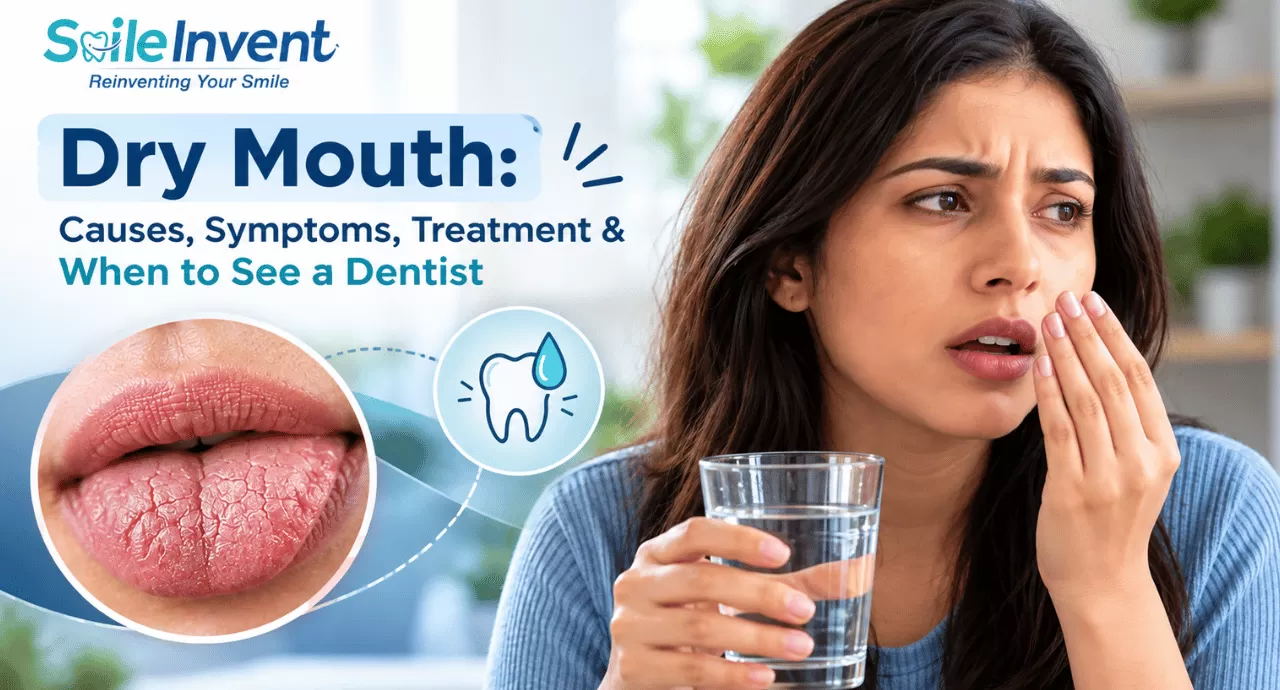


Have you ever felt like your mouth is dry even after drinking water? An occasional dry mouth can happen when you are thirsty or have not had enough fluids. But if your mouth often feels dry, sticky, or uncomfortable, it may be dry mouth, also called xerostomia. It happens when there is not enough saliva to keep your mouth moist.
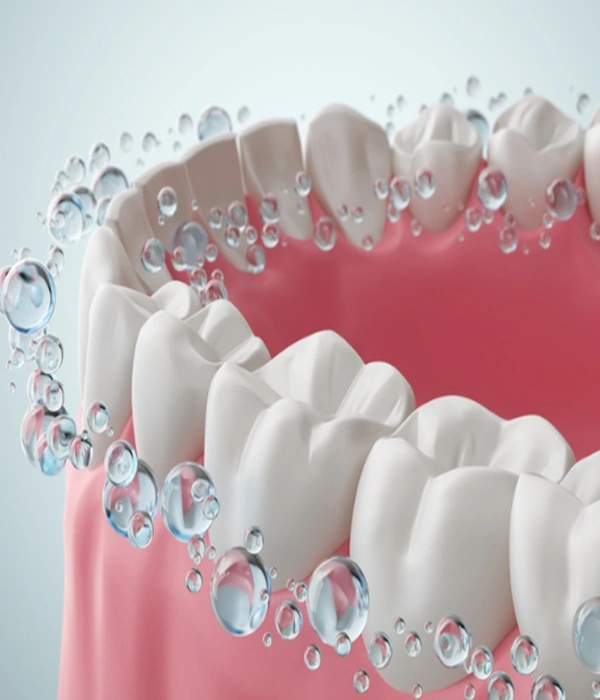
Saliva does more than just keep your mouth wet. It helps you chew, swallow, speak, taste food, and protect your teeth and mouth. When saliva is reduced for a long time, it can increase the risk of problems such as tooth decay, tooth sensitivity, gum problems, and oral infections.
In this guide, we will explain the causes of dry mouth, common symptoms, dry mouth at night, its effect on your teeth and gums, treatment options, and when you should see a dentist.
What Is Dry Mouth?
Dry mouth, also called xerostomia, is the feeling of having too little moisture in your mouth. It usually happens when there is not enough saliva. You may notice that your mouth feels sticky or dry, your tongue feels rough, or you need to drink water often to feel comfortable. Dry mouth can be temporary, such as when you are dehydrated, or it can continue for a longer time because of medicines, health conditions, or other factors.
Saliva is much more than just moisture. It helps you chew and swallow food, speak clearly, taste what you eat, and protect your teeth and the soft tissues inside your mouth. When saliva production is reduced for a long time, your mouth can become more prone to tooth decay, tooth sensitivity, gum problems, bad breath, and oral infections.
What Causes Dry Mouth?
Dry mouth can happen for many reasons. Sometimes it is simply because you have not had enough water, but if it keeps happening, there may be another reason behind it. Common causes include medicines, mouth breathing, smoking, alcohol, stress, and some health conditions.
Common Causes of Dry Mouth
Dehydration: Not drinking enough water can temporarily reduce saliva and make your mouth feel dry.
Medicines: Many medicines can cause dry mouth as a side effect, including some medicines used for allergies, blood pressure, depression, and pain.
Mouth breathing: Breathing through your mouth, especially while sleeping, can leave your mouth dry.
Stress and anxiety: Feeling stressed or anxious can sometimes reduce saliva flow and make your mouth feel dry.
Smoking and tobacco: Tobacco use can affect saliva and contribute to a dry feeling in the mouth.
Alcohol and caffeine: Alcohol and drinks containing caffeine can make some people feel more dehydrated or worsen existing dryness.
Health conditions: Conditions such as diabetes and Sjögren's syndrome can be linked with persistent dry mouth.
Medical treatments: Some cancer treatments, including radiation therapy involving the head and neck, can affect the salivary glands.
If your mouth feels dry regularly and you cannot identify a simple reason, it is worth discussing it with a dentist or doctor. Finding the cause can make it easier to manage the dryness and protect your oral health.
What Are the Symptoms of Dry Mouth?
Dry mouth can feel different from person to person. The most common sign is a mouth that feels dry, sticky, or unusually thirsty, even after drinking water. You may also notice that your tongue feels dry or rough, or that eating certain foods has become less comfortable.
Common Dry Mouth Symptoms
Dry or sticky feeling in the mouth
Frequent thirst
Dry or cracked lips
Dry, rough, or sore tongue
Thick or stringy saliva
Bad breath
Changes in taste
Burning or tingling feeling in the mouth
Difficulty chewing or swallowing
Difficulty speaking
Increased tooth decay or cavities
Difficulty wearing dentures comfortably
If these problems keep coming back, especially if drinking water gives only short term relief, the dryness may need to be checked rather than treated as simple thirst. Persistent dry mouth can also affect your oral health because saliva helps protect the teeth and mouth from harmful bacteria.
Why Is My Mouth Always Dry?
If your mouth feels dry almost every day, even when you are drinking enough water, there may be more to it than simple thirst. Persistent dry mouth can happen when your body is not producing enough saliva, or when something is affecting the normal flow of saliva. Medicines are a common cause, but dehydration, stress, mouth breathing and certain health conditions can also play a role.
Think about when the dryness happens. If it is mainly after exercise or on a hot day, dehydration could be the reason. If you wake up with a very dry mouth, mouth breathing or sleeping with your mouth open may be involved. If the dryness continues throughout the day or keeps coming back without an obvious reason, it is worth discussing it with a dentist or doctor so the underlying cause can be checked.
Why Do I Have Dry Mouth at Night?
Waking up with a dry mouth is quite common because your saliva flow naturally becomes lower while you sleep. But if your mouth feels very dry every morning, you may want to look at what is happening during the night. Sleeping with your mouth open, snoring, nasal congestion, and mouth breathing can all make the mouth lose moisture faster.
Common Reasons for Dry Mouth While Sleeping
Mouth breathing: If you breathe through your mouth instead of your nose while sleeping, the constant airflow can dry the mouth.
Snoring: People who snore often sleep with their mouth open, which can contribute to morning dryness.
Blocked nose: Allergies, a cold, or nasal congestion can make nose breathing difficult and lead to mouth breathing.
CPAP use: Some people using a CPAP machine may experience dry mouth during sleep.
Low saliva flow: Saliva production naturally decreases at night, so existing dry mouth can feel worse while sleeping.
Certain medicines: Medicines that reduce saliva can make nighttime dryness more noticeable.
If you regularly wake up with a dry mouth, drinking some water can give temporary relief, but it is also worth finding out why it happens at night. Persistent mouth breathing or frequent snoring may need further evaluation rather than simply treating the dryness.
Can Dry Mouth Affect Your Teeth and Gums?
Yes. Dry mouth can affect your teeth and gums because saliva helps protect the mouth. When there is not enough saliva, food particles and acids may stay in the mouth for longer, which can make it easier for bacteria to cause dental problems.
Persistent dry mouth may increase the risk of:
Cavities and tooth decay
Tooth sensitivity
Gum problems
Bad breath
Mouth sores or irritation
Oral infections
Difficulty wearing dentures comfortably
This is why dry mouth is more than just an uncomfortable feeling. If your mouth stays dry for a long time, it is worth getting it checked so you can manage the cause and protect your teeth and gums.
How Can You Get Rid of Dry Mouth?
There may not be one solution that works for everyone because dry mouth treatment depends on what is causing it. If a medicine, health condition, dehydration, or mouth breathing is behind the dryness, dealing with that cause can make a big difference. For temporary relief, you can also use simple measures to keep your mouth moist and encourage saliva flow.
Simple Ways to Relieve Dry Mouth
Sip water regularly
Keep water nearby and take small sips throughout the day instead of waiting until you feel very thirsty.Chew sugar free gum
Sugar free gum can stimulate saliva production. Products containing xylitol may also be helpful for protecting against tooth decay.Try sugar free lozenges
Sugar free lozenges or hard candies can encourage saliva flow and provide temporary relief.Use a humidifier at night
If your mouth feels especially dry while sleeping, adding moisture to the air may make the night more comfortable.Breathe through your nose
If you often breathe through your mouth, especially while sleeping, addressing nasal blockage or other breathing problems may help reduce dryness.Ask about saliva substitutes
Artificial saliva sprays, gels, or other dry mouth products can provide temporary moisture when your natural saliva flow is low.
What Should You Avoid If You Have Dry Mouth?
When your mouth does not produce enough saliva, some foods, drinks, and habits can make the dryness worse or increase the risk of tooth problems. Making a few simple changes can help keep your mouth more comfortable and protect your teeth.
Things to Avoid or Limit
Alcohol: It can contribute to dehydration and make dry mouth worse.
Tobacco: Smoking and other tobacco products can reduce comfort and affect your oral health.
Too much caffeine: Coffee, tea, and other caffeinated drinks may make existing dryness more noticeable.
Sugary foods and drinks: Frequent sugar intake can increase the risk of tooth decay, which is especially important when saliva is reduced.
Very spicy or salty foods: These may irritate a dry or sensitive mouth.
Alcohol based mouthwash: Some mouthwashes can make a dry mouth feel more uncomfortable. An alcohol free option may be more suitable.
You do not necessarily have to stop everything at once. The main goal is to notice what makes your mouth feel drier and reduce those triggers while keeping up with regular brushing, flossing, and dental care.
How Is Dry Mouth Treated by a Dentist?
The right dry mouth treatment depends on what is causing the dryness and how much it is affecting your mouth. A dentist may ask about your medicines, health history, daily habits, and how long you have had the problem. They will also check your teeth, gums, tongue, and the amount of moisture in your mouth. This helps identify whether the dryness is already affecting your oral health.
Treatment may include:
Saliva substitutes: Artificial saliva sprays, gels, or oral moisturizers can provide temporary relief when natural saliva is low.
Saliva stimulants: Sugar free chewing gum or sugar free lozenges can encourage saliva flow when the salivary glands still have some function.
Fluoride protection: Since dry mouth can increase the risk of cavities, a dentist may recommend fluoride toothpaste, fluoride gels, rinses, or professional fluoride treatment.
Treatment of dental problems: If dry mouth has already contributed to cavities, gum problems, or an oral infection, those problems will also need treatment.
Finding the underlying cause: If a medicine or health condition may be responsible, your dentist may suggest discussing it with your doctor. You should not stop or change prescribed medicines on your own.
When Should You See a Dentist for Dry Mouth?
Occasional dry mouth may improve after drinking enough water or changing a few daily habits. But if your mouth stays dry for several weeks, keeps coming back, or starts affecting eating, speaking, swallowing, or your daily comfort, it is a good idea to see a dentist. Persistent dry mouth can also increase the risk of cavities, tooth sensitivity, gum problems, and oral infections.
You Should See a Dentist If You Notice:
Dry mouth that does not improve with regular hydration
Frequent thirst or a sticky feeling in your mouth
New or repeated cavities
Tooth sensitivity
Bad breath that keeps coming back
Sore or burning areas in the mouth
Cracked lips or a dry, rough tongue
Difficulty chewing, swallowing, or speaking
Mouth sores or white patches
Problems wearing dentures comfortably
A dentist can check your teeth, gums, tongue, and saliva flow and ask about medicines or other factors that may be causing the dryness. If the dentist suspects an underlying medical cause, you may also be advised to speak with your doctor.
How Smile Invent Dental Clinic Can Help
If dry mouth keeps coming back, a dental check can help find out whether it is already affecting your teeth and gums. At Smile Invent Dental Clinic, the dentist can examine your mouth, look for signs of tooth decay, gum problems or irritation, and discuss possible reasons behind the dryness. Persistent dry mouth can increase the risk of cavities and gum problems because saliva normally helps protect the mouth.
If you are looking for a dentist in Mumbai for persistent dry mouth, Smile Invent Dental Clinic in Bandra East can help assess your oral health and suggest suitable care. Depending on what is causing the dryness, the dentist may recommend changes in your oral care routine, products to keep the mouth moist, fluoride protection, or treatment for any dental problems that have developed.
You do not have to simply live with a constantly dry mouth. Getting it checked can help you understand the cause and take steps to protect your teeth, gums, and overall oral comfort.
Yes. For the FAQs, I would not repeat the H2 questions such as “What causes dry mouth?” or “How can you get rid of dry mouth?” We already answered those in the main article. The reference material and current dental guidance also support more specific patient questions around morning dryness, saliva, medicines, cavities, bad breath and whether dry mouth can go away.
FAQs
1. Is it normal to wake up with a dry mouth?
A slightly dry mouth in the morning can happen because saliva production naturally decreases during sleep. It can feel worse if you sleep with your mouth open, snore, or breathe through your mouth. If you wake up with severe dryness every day, it is worth finding out what is causing it.
2. Can dry mouth cause bad breath?
Yes. Reduced saliva can allow food particles and bacteria to remain in the mouth for longer, which can contribute to bad breath. If bad breath keeps returning even with regular brushing and tongue cleaning, persistent dry mouth may be one of the factors involved.
3. Can drinking more water fix dry mouth?
Drinking water can help when dryness is caused by dehydration, but it may not solve persistent dry mouth. If medicines, mouth breathing, a health condition, or reduced saliva production is the reason, simply drinking more water may provide only temporary relief.
4. Can dry mouth cause cavities?
Yes. Saliva helps protect teeth by washing away food particles and helping maintain a healthy environment in the mouth. When saliva is reduced for a long time, the risk of tooth decay and cavities can increase.
5. Can stress and anxiety cause dry mouth?
Stress and anxiety can be linked with a dry mouth feeling, especially for short periods. But if the dryness continues regularly, it is worth looking for other possible causes too, such as medicines, dehydration or mouth breathing.
6. Can dry mouth go away on its own?
It can improve when the cause is temporary, such as mild dehydration or a short period of stress. If dry mouth is caused by an ongoing medicine, health condition, or reduced saliva production, it may continue until the underlying cause is addressed. A dentist can help assess the condition and suggest ways to manage it.
Conclusion
Dry mouth may seem like a small problem, but if it continues for a long time, it can affect your teeth, gums, and overall comfort. Saliva helps protect the mouth, so reduced saliva can increase the risk of cavities, tooth sensitivity, gum problems, and oral infections.
If you often wonder “Why is my mouth always dry?”, do not ignore it or rely only on drinking more water. Finding the reason behind the dryness and getting the right care can help protect your oral health. A dentist can also check whether dry mouth has already affected your teeth or gums and guide you on suitable treatment.
This article is general information, not a diagnosis. For advice about your own teeth, book a consultation.