
Table of Contents
One of the latest advancements is wearable oral devices, often referred to as modern dentist devices and dental gadgets, which are designed to monitor daily habits, track oral conditions, and help prevent dental issues before they become serious.
These devices, when combined with regular dental visits and proper preventive dentistry, give people a better way to manage their oral health in real time. From smart retainers to mouthguards that track jaw movement, modern orthodontic services are also adapting to include these innovative wearables, making them a practical solution for early prevention and long-term care.
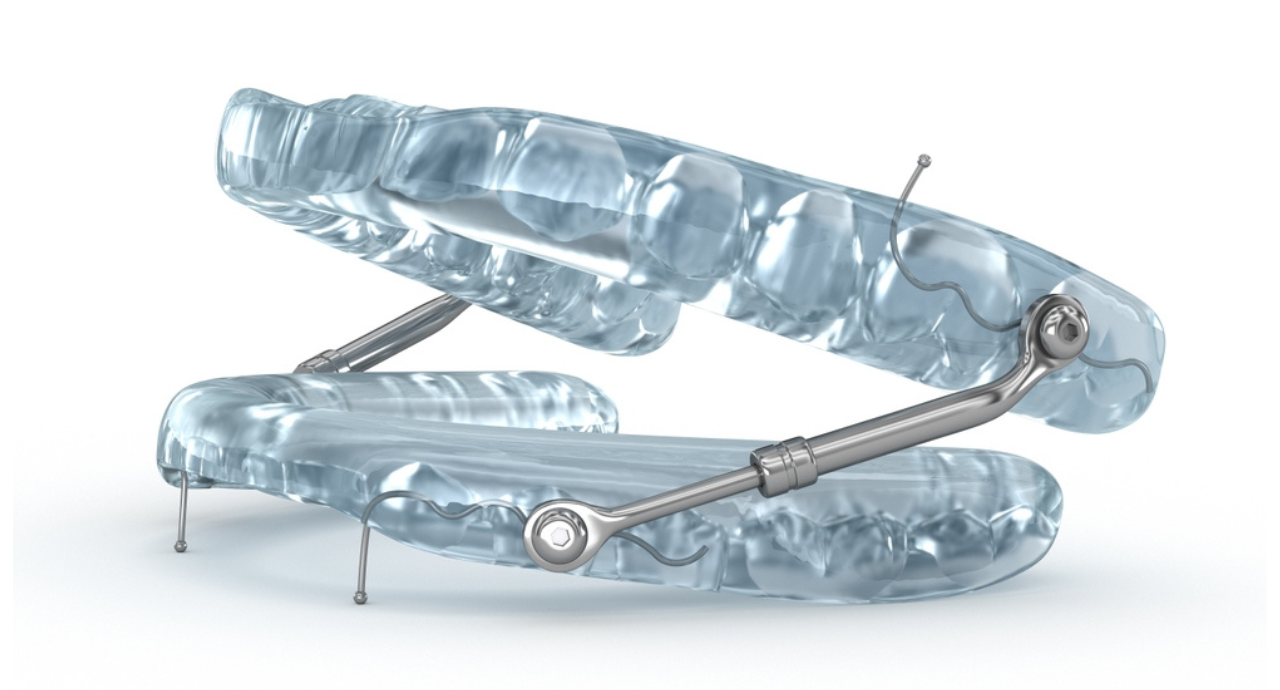
Wearable oral devices are smart tools designed to be worn inside the mouth, just like retainers, aligners, or mouthguards. Unlike traditional dental appliances that only serve a mechanical purpose, these devices are equipped with advanced technologies such as sensors, microchips, and wireless connectivity.
Their main goal is to monitor oral health conditions, detect harmful habits, and provide useful data that helps in preventing dental problems. For example, some wearables can measure saliva pH levels, track teeth grinding during sleep, or alert users about poor brushing habits. For aesthetic improvements, patients can also benefit from digital smile design, which uses technology to create a customized treatment plan for a perfect smile.
By turning everyday dental appliances into smart health tools, wearable oral devices bring together technology and dentistry to support better preventive care.
Most wearable oral devices use oral wearable sensors to track daily oral health activities and changes. This helps spot possible problems early and supports preventive care. Some of the most common ones include:
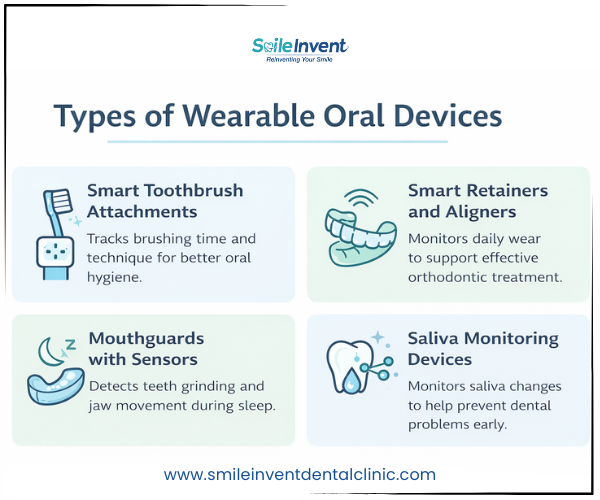
Among today’s useful dental gadgets, smart toothbrush attachments connect to regular or electric toothbrushes to track how long and how well a person brushes. They check brushing pressure and make sure all teeth are cleaned properly. This helps people brush better every day and lowers the risk of plaque buildup and gum problems.
Orthodontic patients often struggle with compliance. Smart retainers and aligners use built-in sensors to monitor how long they are being worn each day. This information is shared with both patients and dentists, ensuring treatment stays on track and results are achieved on time.
People who suffer from teeth grinding (bruxism) may not even realize the damage they are causing while sleeping. Sensor-enabled mouthguards record jaw movements, pressure, and grinding patterns. Dentists can then use this data to recommend protective treatments or stress-management solutions.
Saliva plays a crucial role in oral health. Wearable devices that monitor saliva can measure pH balance, hydration, and bacterial activity. Early detection of changes in saliva helps prevent issues like cavities, gum disease, and even systemic health conditions linked to oral bacteria.
Wearable oral devices play an important role in prevention by detecting early signs of problems and encouraging better habits. Instead of waiting for symptoms to appear, these devices provide real-time data and feedback that can help people take action before dental issues worsen.
Here are some ways they help:
Devices like smart toothbrush attachments guide users on how to brush properly, covering all tooth surfaces and avoiding excessive force. This reduces the risk of cavities, plaque buildup, and gum inflammation.
Sensor-enabled mouthguards track night-time grinding and clenching. By identifying the severity and frequency, dentists can recommend protective measures, reducing long-term damage to teeth and jaw joints.
Saliva sensors detect changes in pH and bacterial levels. This information can alert users to a higher risk of tooth decay, gum disease, or even conditions like dry mouth, which can impact oral and general health.
Smart aligners and retainers ensure patients wear them for the recommended time. This not only improves treatment results but also prevents complications caused by irregular usage.
The adoption of wearable oral devices brings several preventive benefits for patients as well as dentists. These devices are not just about monitoring—they also encourage healthier habits and reduce the chances of future dental problems.
By detecting signs of cavities, gum disease, or bruxism at an early stage, these devices allow timely treatment before the issues become severe or costly.
Wearables collect real-time data about each individual’s oral health. This helps dentists design customized care plans based on actual habits and conditions, rather than relying only on periodic check-ups.
Whether it’s wearing aligners regularly or following brushing guidelines, dental wearables provide reminders and feedback that keep patients consistent with their treatments.
Preventing dental problems early helps patients avoid expensive treatments such as root canals, crowns, or implants in the future.
Real-time feedback encourages patients to take responsibility for their oral hygiene. For example, an alert about poor brushing coverage motivates users to immediately correct their technique.
While wearable oral devices offer many benefits, their use also comes with certain challenges that need to be addressed before they can become a routine part of dental care.
Advanced wearables with sensors and connectivity can be expensive. This makes them less accessible for patients in regions where affordability is a concern.
Since these devices collect personal health information, ensuring that the data is stored securely and used responsibly is a major concern.
For wearables to be effective, patients must wear them regularly. If the device feels bulky, uncomfortable, or difficult to use, compliance may drop.
The reliability of sensors and collected information is crucial. Inaccurate data may mislead patients or delay proper diagnosis by dentists.
Dentists need systems that can easily interpret wearable data and integrate it into patient care. Without proper tools or training, this data may remain underutilized.
At Smile Invent Dental Clinic, the commitment is not only to treat dental issues but also to promote preventive care through modern solutions. With the rise of wearable oral devices, the clinic is adopting a forward-thinking approach that blends advanced technology with personalized patient care.
Many patients are curious but unfamiliar with how dental wearables work. The team at Smile Invent takes the time to explain how devices such as smart retainers, saliva sensors, or mouthguards can monitor oral conditions and help prevent future dental problems.
The information collected by these devices—such as grinding patterns, saliva changes, or brushing habits—is valuable for accurate diagnosis. Smile Invent’s dentists review this data to detect risks early and provide targeted care.
Every patient has unique oral health needs. By combining data from wearables with regular dental check-ups, Smile Invent designs treatment plans that are specific, practical, and result-oriented.
Instead of waiting for problems like cavities or gum disease to progress, Smile Invent uses insights from wearables to address them in the early stages. This approach reduces the need for complex treatments later.
With different types of dental wearables available, patients often need help selecting the right one. Smile Invent provides expert recommendations based on lifestyle, dental history, and treatment goals.
Yes. Most dental wearables are designed with patient comfort and safety in mind. They are usually made from medical-grade, biocompatible materials that are safe for long-term use.
Some wearables, like smart toothbrush attachments or aligners, are suitable for children under dental supervision. However, devices such as saliva sensors or advanced mouthguards are generally recommended for older patients.
No. These devices are designed to support preventive care, not replace professional treatment. Regular dental check-ups are still essential for complete oral health management.
The cost depends on the type of device and its features. Simple attachments like smart toothbrush sensors are affordable, while advanced devices such as saliva monitors or AI-enabled retainers may be more expensive.
Yes. Many devices come with mobile applications that display real-time data, reminders, and personalized feedback to help users improve their oral care routines.
Some saliva-based wearables are being developed to detect signs of systemic conditions such as diabetes or dehydration. While primarily designed for oral health, they also provide valuable insights into general well-being.
Wearable oral devices are changing the way people manage their dental health. From tracking brushing habits to detecting teeth grinding and monitoring saliva, these tools provide real-time insights that help prevent problems before they become serious. While cost, comfort, and data privacy remain important considerations, the benefits of early detection, personalized care, and better patient compliance make them a valuable addition to modern dentistry.
At Smile Invent Dental Clinic, the focus is on combining advanced dental technology with expert care to support long-term oral wellness. By guiding patients in using dental wearables effectively, the clinic ensures healthier smiles and a stronger foundation for preventive care.
Wearable devices may still be evolving, but they are already shaping the future of dentistry, making oral health smarter, more personalized, and more preventive than ever before.
A swollen gum around one tooth can be uncomfortable and sometimes...
Read More
Walk into any supermarket or pharmacy and you will find toothpast...
Read More
Wearing braces can make your daily brushing routine a little more...
Read More