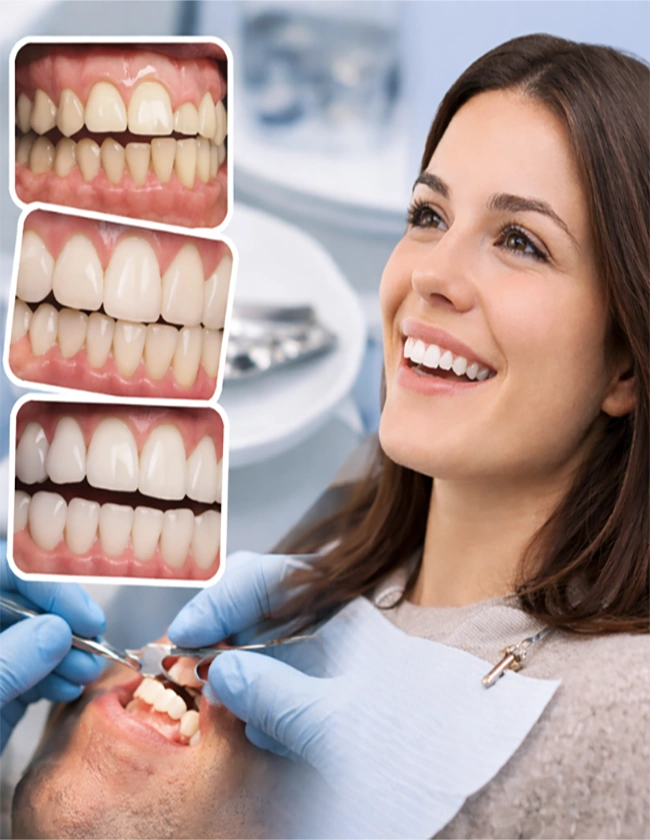




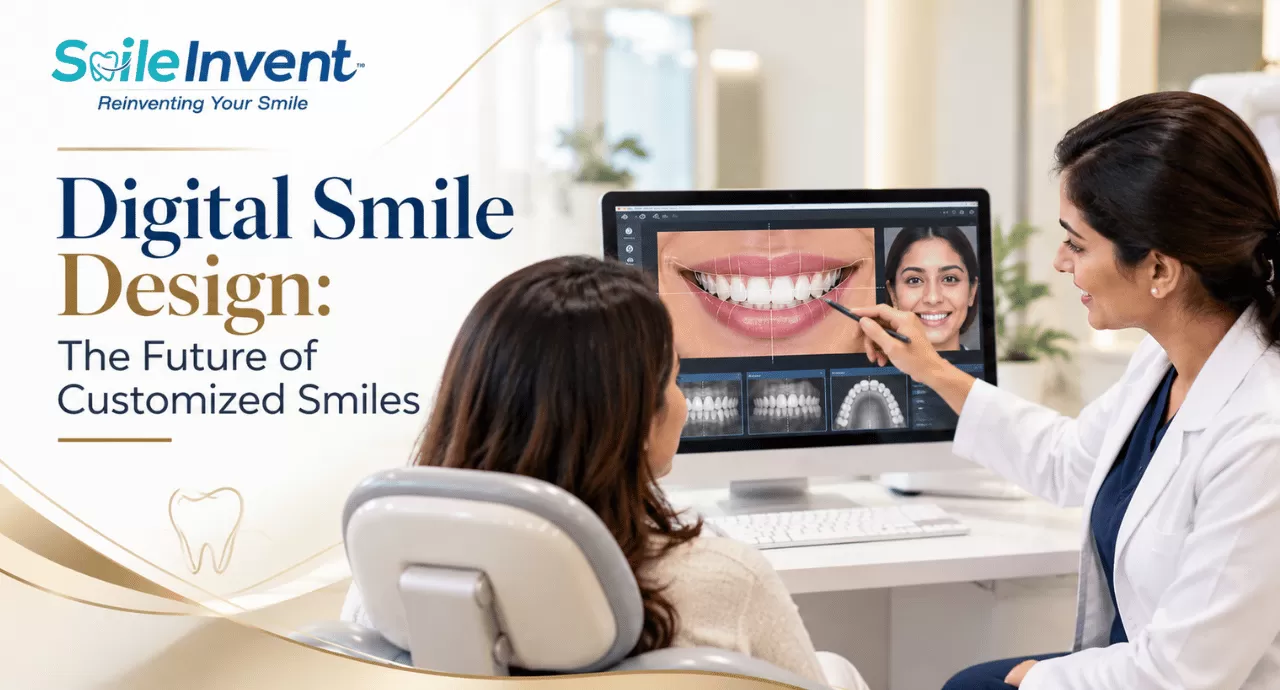
A confident smile has a powerful impact on how we look and feel. In today’s world, people want dental treatments that are not only effective but also tailored to their unique facial features and personality. This is where Digital Smile Design (DSD) is transforming cosmetic dentistry.
Digital Smile Design allows patients to preview a proposed smile makeover before treatment begins. Using digital photographs, videos, scans, and planning software, dentists can create a smile design based on the patient's teeth, facial features, and treatment goals. The key digital smile design benefits include better visualization, improved communication with the dentist, and more personalized treatment planning. The final results still depend on the patient's dental condition and the treatment performed.
What is Digital Smile Design (DSD)?
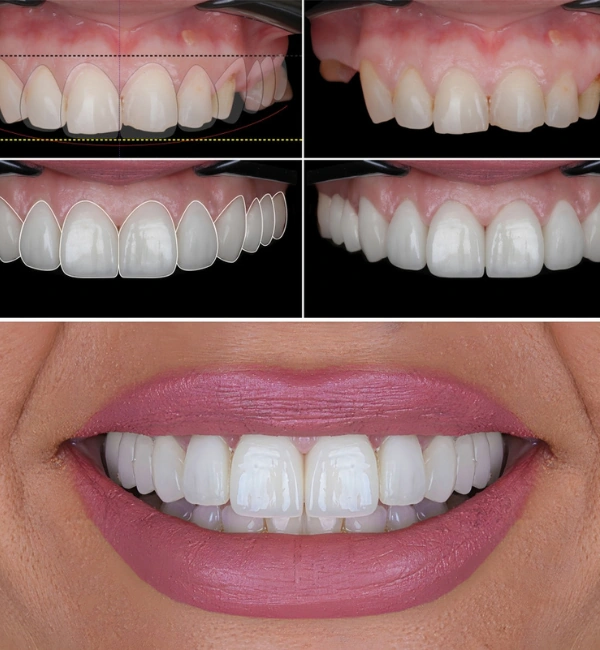
Digital Smile Design (DSD) is a digital planning approach used in cosmetic dentistry to help patients and dentists visualize a proposed smile before treatment begins. It uses photographs, videos, digital scans and smile design software to plan changes according to the patient's teeth, facial features, and treatment goals.
Unlike traditional methods that rely mainly on the dentist’s vision, DSD involves both technology and patient participation. With digital simulations, patients can see how veneers, aligners, whitening, or other cosmetic treatments will look on them. For those considering orthodontics for adults, DSD also demonstrates how braces or aligners can gradually improve their smile.
In simple terms, digital smile design helps dentists plan a personalized smile makeover and discuss possible treatment options with patients before procedures begin. It is a planning tool, not a dental treatment itself, and the final outcome depends on the patient's dental condition and the treatment performed.
Key Features of DSD
Digital Smile Design has become popular because it makes cosmetic dentistry more predictable, personalized, and interactive. Instead of only relying on a dentist’s explanation, patients get to see, understand, and participate in their smile transformation. Some of the standout features include:
Facial Integration
- DSD looks beyond just the teeth. It evaluates how the smile blends with facial symmetry, lip line, and natural expressions.
- This ensures that the final smile doesn’t just look good in isolation, but matches the person’s overall appearance.
3D Visualization of Results
- Advanced digital imaging creates a 3D model of the mouth and simulates the proposed changes.
- Patients can “preview” their smile before starting treatment, helping them feel confident in their choice.
Patient-Dentist Collaboration
- One of the most important aspects of DSD is active patient participation.
- Patients can share their expectations, suggest changes, and approve the final design before treatment begins.
High Accuracy and Predictability
- Digital planning reduces guesswork. Every detail from tooth shape to gum alignment, is measured and designed with precision.
- This minimizes the chances of unexpected results and makes the outcome more reliable.
Customized Treatment Planning
- Each smile design is unique. The system tailors the plan according to the patient’s dental condition, face shape, and personality traits.
- Whether it’s veneers, whitening, or aligners, the treatment follows a digital blueprint that ensures natural and balanced results.
In short, the key features of DSD make it more than just a cosmetic tool, it’s a modern approach that combines science, art, and technology to design smiles that look natural and feel authentic.
How Does Digital Smile Design Work?
Digital Smile Design has gained popularity because it gives patients more clarity, confidence, and control over their smile makeover journey. The digital smile design benefits include a more transparent and predictable process compared to traditional cosmetic dentistry methods. With advanced technology, patients not only see the results in advance but also take part in shaping their new smile.
Digital Records and Scans
The process begins with capturing high-quality images, videos, and 3D scans of the patient’s teeth, gums, and face. These records give the dentist a clear view of the smile from different angles and help in studying how the teeth interact with natural expressions.
Smile Analysis and Design
Using advanced software, the dentist evaluates tooth size, shape, gum line, bite, and overall facial symmetry. A digital blueprint of the ideal smile is then created, ensuring that the design balances both aesthetics and function.
3D Simulation and Preview
Patients are shown a realistic 3D simulation of their new smile before treatment begins. This preview allows them to see how changes will look on their face, giving confidence and reassurance about the final outcome.
Patient Feedback and Adjustments
One of the strongest advantages of DSD is patient involvement. Patients can suggest changes, such as tooth shade or shape and the dentist can adjust the design instantly. This collaboration ensures the results align with the patient’s vision.
Treatment Planning and Execution
Once the smile design is approved, a step-by-step treatment plan is prepared. Whether it involves veneers, aligners, crowns, or gum reshaping, each procedure follows the digital model closely, leading to accurate and predictable results.
Who Is a Good Candidate for Digital Smile Design?
Digital Smile Design may be useful for people who want to understand how cosmetic dental treatments could change their smile. It helps patients and dentists discuss treatment goals and visualize a proposed result before starting treatment.
You may consider digital smile design if you:
Want to improve your smile: You have concerns about the appearance of your teeth or smile.
Are considering cosmetic dentistry: You want to explore options such as veneers, teeth whitening, or other suitable treatments.
Want a preview before treatment: You would like to visualize the proposed changes and discuss them with your dentist.
Prefer personalized treatment planning: You want a plan that considers your facial features, dental condition, and expectations.
Want to understand your treatment options: You would like to discuss the possible benefits, limitations, and costs before making a decision.
A dental consultation is important before choosing any cosmetic procedure. Your dentist will assess your oral health and determine whether digital smile design and the proposed treatments are suitable for you. A digital preview helps with planning, but it cannot guarantee the final outcome.
The Role of AI and Technology in Smile Design
Artificial intelligence (AI) and modern dental technology play a central role in making Digital Smile Design effective. They allow dentists to design smiles with accuracy, speed, and a higher level of personalization. By combining human expertise with digital tools, the treatment process becomes more reliable and predictable.
AI-Powered Smile Analysis
AI evaluates facial proportions, symmetry, and tooth alignment to suggest the most suitable smile design. It takes into account small details like how teeth show when a person smiles or talks ensuring a natural outcome.
Advanced Imaging and Scanning
High-resolution cameras and 3D scanners capture detailed images of the teeth, gums, and face. These digital records provide the foundation for accurate design and treatment planning.
Digital Simulations and Previews
Technology allows dentists to create lifelike smile previews on-screen. Patients can view side-by-side comparisons of their current smile and the proposed design, making it easier to understand the transformation.
Integration with CAD/CAM and 3D Printing
Digital designs can be directly connected to CAD/CAM systems or 3D printers. This makes it possible to create veneers, crowns, and aligners with exact precision, often in shorter timeframes.
Improved Patient-Dentist Communication
Technology makes it easier for dentists to explain treatment options clearly. Patients can see visual representations rather than relying only on descriptions, which builds trust and confidence in the process.
Why Do Patients Prefer Digital Smile Design?
Digital Smile Design helps patients understand their proposed smile makeover before treatment begins. It combines digital visualization with personalized treatment planning, allowing patients to discuss their expectations and available options with their dentist.
Clear Visualization Before Treatment
One of the main benefits of digital smile design is the ability to preview a proposed smile before treatment. This helps patients understand the planned changes and discuss any concerns with their dentist.
Personalized Smile Planning
Digital smile design considers factors such as tooth shape, facial features, and the patient's dental condition. This helps the dentist plan a smile that suits the individual rather than following a standard design.
Active Patient Involvement
Patients can share their preferences and discuss changes to the proposed design with their dentist. This collaboration helps align the treatment plan with their expectations.
Better Communication With the Dentist
Digital previews make it easier for patients and dentists to discuss the expected appearance of a smile. Patients can ask questions and understand the proposed treatment options before making a decision.
Support for Treatment Planning
Digital smile design helps organize cosmetic treatment options, such as veneers, teeth whitening, or orthodontic treatment, into a planned approach. The suitability of each treatment depends on the patient's oral health and individual needs.
Popular Cosmetic Treatments Enhanced by DSD
Digital Smile Design is not a treatment on its own but a planning system that supports many cosmetic dental procedures. By using DSD, dentists can achieve more precise results and give patients a clearer idea of how their smile will look after treatment. Some of the most common treatments that benefit from DSD include:
Veneers
Porcelain or composite veneers can dramatically improve the appearance of teeth by correcting shape, size, and color. With DSD, patients can preview how veneers will look before they are placed, ensuring the final result matches their expectations.
Teeth Whitening
Whitening treatments are more effective when combined with DSD planning. The system helps determine the ideal shade of white that looks natural with the patient’s skin tone and overall facial features.
Orthodontics and Aligners
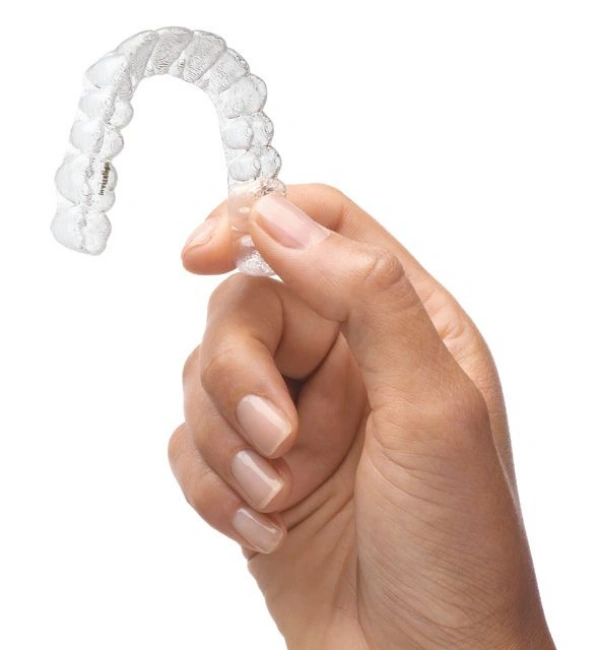
DSD assists in orthodontic treatment planning by showing how straighter teeth will affect the overall smile and facial balance. Patients using clear aligners can see their future results, which helps them stay motivated during treatment.
Crowns and Bridges
When restoring damaged or missing teeth, DSD helps design crowns and bridges that blend seamlessly with the surrounding teeth. This ensures both functionality and aesthetics are achieved.
Gum Contouring
For patients with uneven or excessive gums, DSD can simulate how gum reshaping will improve the smile line. This helps patients make informed decisions before undergoing the procedure.
Full Smile Makeovers
For those considering multiple cosmetic treatments, DSD provides a complete roadmap of the transformation. By combining procedures like veneers, whitening, and gum contouring, patients can see the full impact of a comprehensive smile makeover.
Why Digital Smile Design is the Future of Dentistry
Digital Smile Design is reshaping cosmetic dentistry by focusing on personalization, accuracy, and patient satisfaction. As technology continues to advance, DSD is expected to become a standard part of smile makeovers worldwide. Here’s why it is considered the future of modern dentistry:
Patient-Centered Approach
Traditional cosmetic dentistry often relied heavily on the dentist’s vision. DSD shifts the focus to the patient by involving them in every step, from design to approval, making treatments more collaborative and satisfying.
Predictable Outcomes
With digital simulations, patients know what to expect before the procedure begins. This reduces uncertainty and increases trust in the treatment process. Predictability also improves long-term results
Advanced Technology Integration
DSD combines AI, 3D imaging, CAD/CAM systems, and even 3D printing. This integration makes treatments faster, more precise, and more effective. It also reduces the need for trial-and-error adjustments.
Growing Demand for Personalization
Patients today want results that are tailored to their unique facial features and lifestyle. DSD meets this demand by creating smiles that are customized rather than generic.
Stronger Dentist-Patient Communication
By using digital previews, dentists can explain treatment plans clearly, while patients can make better-informed decisions. This transparency builds confidence and strengthens the relationship between dentist and patient.
Long-Term Relevance
As digital tools continue to evolve, DSD will adapt and expand its applications. Its combination of art, science, and technology ensures it will remain relevant in the future of dental care.
Digital Smile Design at Smile Invent Dental Clinic
At Smile Invent Dental Clinic, Digital Smile Design is more than just technology, it’s a part of how personalized care is delivered. The clinic combines advanced tools with dental expertise to create smile makeovers that feel natural, balanced, and in harmony with each patient’s facial features.
If you are considering Digital Smile Design for your own smile, explore our Digital Smile Design treatment in Bandra East, Mumbai to learn about the treatment process, benefits and consultation.
Patient-Centric Approach
Every smile design at Smile Invent begins with understanding the patient’s needs, concerns, and expectations. DSD allows patients to actively participate in shaping their future smile, making the treatment process more transparent.
Advanced Technology and Expertise
Using high-quality imaging, AI-based analysis, and 3D simulations, Smile Invent provides a clear preview of treatment results. This ensures accuracy and boosts patient confidence before any procedure begins.
Comprehensive Cosmetic Treatments
From veneers and teeth whitening to aligners and complete smile makeovers, Smile Invent integrates DSD into various treatments. This ensures that every step of the journey is planned with precision.
Focus on Natural Results Focus on Natural Results
The goal at Smile Invent is not just a beautiful smile, but one that looks natural and fits perfectly with the patient’s personality and facial aesthetics.
With Digital Smile Design, Smile Invent Dental Clinic helps patients visualize their dream smile and achieve it with confidence.
FAQ’s
1. Is Digital Smile Design painful?
No, DSD itself is completely painless. It is a digital planning process that uses photos, scans, and software to design your smile before treatment begins.
2. How long does the Digital Smile Design process take?
The design stage usually takes one or two appointments, depending on the complexity. Once the design is finalized, the actual treatment plan can begin.
3. Can I really see my smile before starting treatment?
Yes, that’s the main advantage of DSD. You’ll be shown a digital preview of your new smile, so you know exactly what to expect before any procedure starts.
4. Who can benefit from Digital Smile Design?
Anyone who wants to improve their smile whether through veneers, whitening, orthodontics, or a full smile makeover can benefit from DSD. It’s suitable for patients of all ages.
5. Is Digital Smile Design expensive?
The cost depends on the treatments included in your smile makeover. While the planning stage may add a small fee, it often saves money in the long run by reducing trial-and-error and ensuring predictable results.
6. How is DSD different from traditional cosmetic dentistry?
Traditional methods relied mainly on the dentist’s judgment, while DSD uses advanced technology, patient input, and digital simulations. This makes the process more precise and patient-focused.
Conclusion
Digital Smile Design is transforming the way smile makeovers are planned and delivered. By combining advanced technology, AI, and patient involvement, it provides a clear vision of results before treatment even begins. This makes the process more predictable, transparent, and tailored to each individual.
At Smile Invent, DSD is not just about designing smiles, it's about creating natural, confident, and long-lasting results. With a patient-first approach and modern tools, the clinic helps people achieve the smile they’ve always wanted in a way that feels comfortable and personalized.
If you are considering a smile makeover, Digital Smile Design can give you the confidence of knowing your future smile before starting the journey.
This article is general information, not a diagnosis. For advice about your own teeth, book a consultation.