



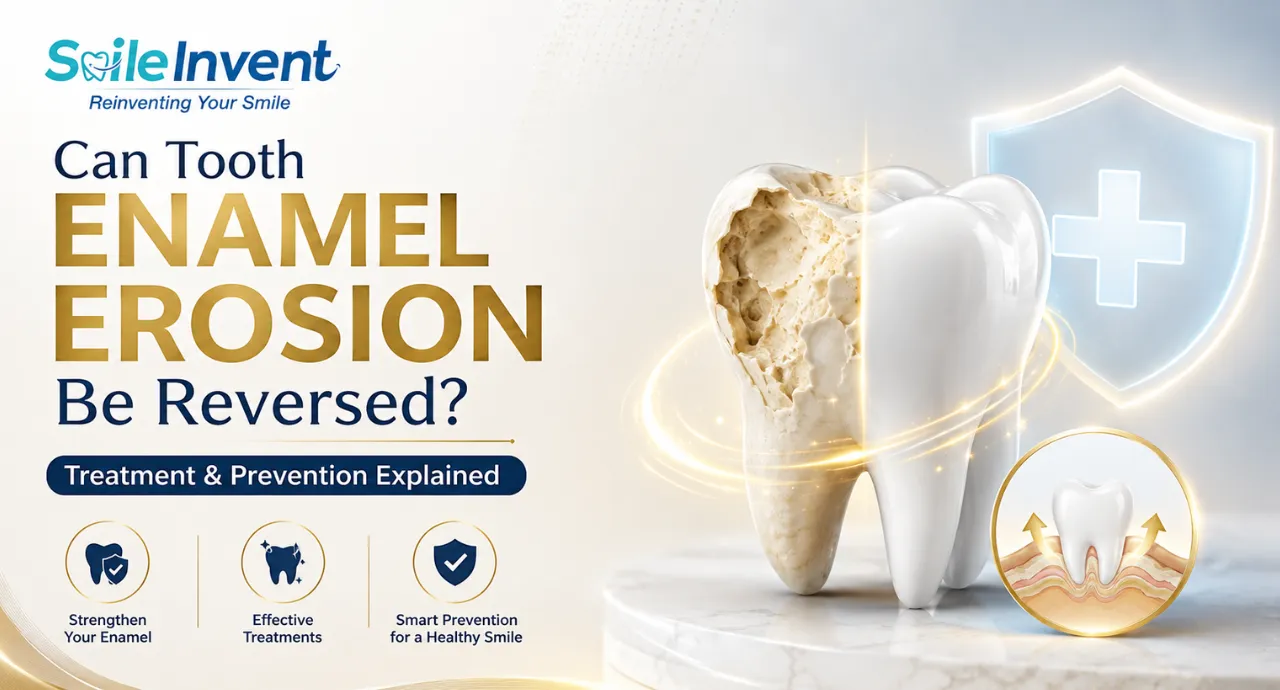
Have you noticed that your teeth have become more sensitive to cold drinks, hot foods or sweets? Maybe the edges of your front teeth look slightly transparent, or your teeth appear more yellow than before. These changes can sometimes be signs of tooth enamel erosion, a condition that happens when the hard outer layer of your teeth gradually wears away.
Tooth enamel protects the inner parts of your teeth, but once it is lost, your body cannot grow it back. Acidic foods and drinks, acid reflux, brushing too hard and teeth grinding are some factors that can contribute to enamel erosion. The good news is that early enamel erosion can often be managed, and the right habits can help prevent further tooth erosion.
In this guide, we’ll explain how to recognise enamel erosion, what causes it, whether it can be reversed, and what you can do to protect your teeth. We’ll also look at enamel erosion treatment and when it is a good idea to see a dentist.
Quick Answer: Can Tooth Enamel Erosion Be Reversed?
No, lost tooth enamel cannot grow back naturally. Once enamel has been worn away through erosion, the body cannot replace it. But that does not mean nothing can be done. If enamel erosion is found early, the right dental care and daily habits can help strengthen the remaining enamel and slow or stop further damage.
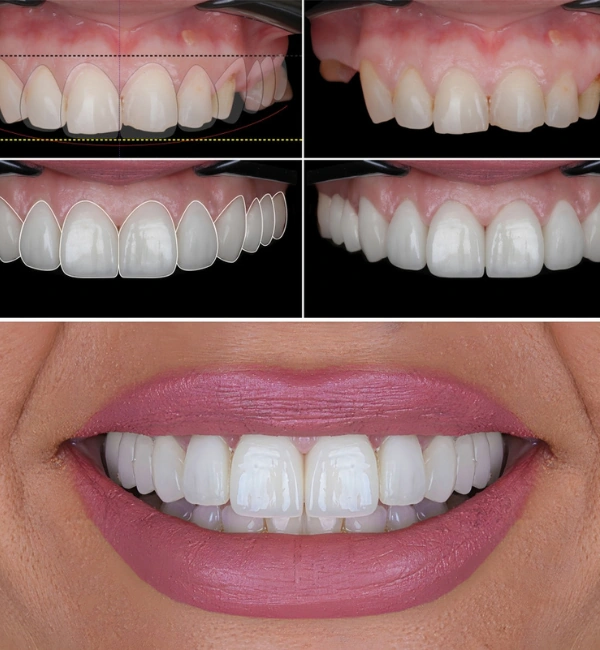
Treatment depends on how much enamel has been affected. A dentist may recommend fluoride to strengthen and remineralize early damaged enamel, while more advanced erosion may need restorative treatments such as dental bonding, veneers or crowns. The main goal of enamel erosion treatment is to protect the tooth, manage sensitivity and prevent the damage from getting worse.
What Is Tooth Enamel and Why Does It Matter?
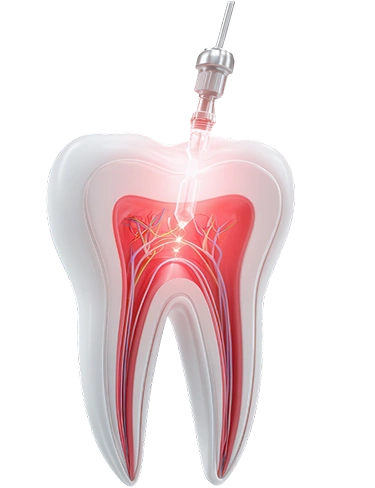
Tooth enamel is the hard outer layer that covers the visible part of your teeth. It acts like a protective shield for the softer layers underneath, including dentin and the tooth pulp. Enamel also helps protect your teeth from daily chewing, temperature changes, acids and the bacteria that can contribute to tooth decay.
Even though enamel is extremely hard, it is not impossible to damage. Repeated exposure to acids from foods, drinks or stomach acid can soften and wear it away over time. Brushing too hard and teeth grinding can also add to tooth wear. Once enamel is permanently lost, the body cannot grow a new layer, which is why protecting your remaining enamel is so important.
How Do You Know If Your Tooth Enamel Is Eroding?
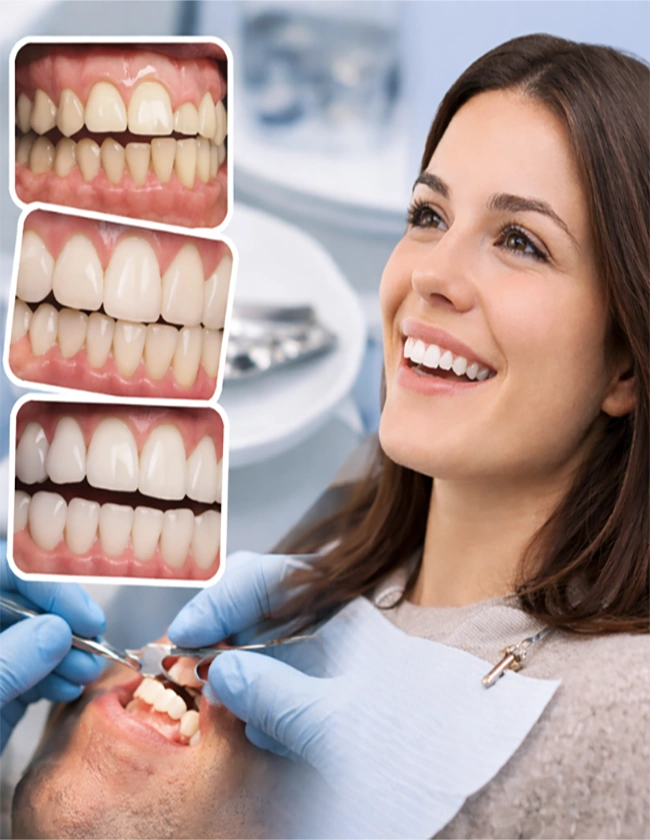
Tooth enamel erosion can be difficult to notice in the beginning because it often develops slowly. One of the first signs may be increased sensitivity when you have something hot, cold, sweet or acidic. As the enamel becomes thinner, you may also notice changes in the colour, shape or surface of your teeth.
Look out for these common signs of enamel erosion:
- Increased tooth sensitivity
- Yellowish or darker looking teeth
- Front teeth that look slightly transparent at the edges
- Smooth, shiny or worn tooth surfaces
- Small dents or pits on the teeth
- Flattened or rounded tooth edges
- Small chips or cracks
- Exposed dentin
If you notice several of these changes, especially sensitivity that keeps coming back, it is worth getting your teeth checked. A dentist can examine the tooth surface for changes in texture, wear and enamel thickness and determine whether the problem is tooth erosion or another dental condition.
What Causes Tooth Enamel Erosion?
Tooth enamel erosion happens when acids gradually wear away the minerals in your enamel. These acids can come from foods and drinks, such as soft drinks, citrus juices and other acidic items. Stomach acid can also affect your teeth when you have conditions such as acid reflux or frequent vomiting.
Some everyday habits can make enamel wear faster too. Brushing with too much pressure, grinding or clenching your teeth, having a dry mouth and frequent exposure to acidic foods or drinks can all increase the risk of tooth erosion. The frequency of acid exposure matters as well, so regularly sipping an acidic drink throughout the day can be more harmful than having it occasionally with a meal.
Common Causes of Enamel Erosion
- Frequent intake of acidic foods and drinks
- Soft drinks and carbonated beverages
- Citrus fruits and acidic fruit juices
- Acid reflux or GERD
- Frequent vomiting
- Brushing too hard
- Teeth grinding or clenching
- Dry mouth
- Certain medications that reduce saliva production
Which Foods and Drinks Can Damage Tooth Enamel?
Some foods and drinks contain acids that can gradually wear away tooth enamel, especially when your teeth are exposed to them often. Soft drinks, citrus juices, sports drinks, sour candies and other acidic foods are common examples. Even drinks that do not contain sugar can still contribute to enamel erosion if they are acidic.
The amount of exposure also matters. Frequently sipping an acidic drink throughout the day keeps exposing your teeth to acid for longer. You do not necessarily need to stop eating every acidic food. The better approach is to reduce frequent acid exposure and follow good habits that protect your enamel. Having acidic foods or drinks less often, drinking water afterwards and avoiding holding or swishing acidic drinks around your mouth can reduce contact with your enamel.
Foods and Drinks to Watch
- Soft drinks and carbonated beverages
- Sports and energy drinks
- Orange, lemon and other citrus juices
- Sour candies
- Citrus fruits
- Acidic fruit drinks
- Pickled or highly acidic foods
Can Brushing Too Hard Cause Enamel Erosion?
Yes, brushing your teeth too hard can contribute to tooth wear, especially when combined with other causes of enamel erosion. Using too much pressure or a hard bristled toothbrush can gradually wear down the tooth surface and may also irritate the gums. The risk can be higher when the enamel has already been softened by acidic foods or drinks.
You do not need to scrub your teeth to get them clean. Use a soft bristled toothbrush, gentle pressure and small movements while brushing. If you notice increased sensitivity, worn areas near the gumline or changes in the shape of your teeth, talk to your dentist so the cause can be checked.
Is Tooth Erosion the Same as Tooth Decay?
No. Tooth erosion and tooth decay are different dental problems, although both can damage the tooth. Tooth erosion happens when acids gradually wear away the enamel. These acids can come from acidic foods and drinks or from stomach acid caused by problems such as acid reflux.
Tooth decay, on the other hand, is linked to bacteria in dental plaque. When bacteria break down sugars and starches in food, they produce acids that can damage the tooth and eventually create a cavity. So, while both conditions involve acid and can affect tooth enamel, their causes and treatment can be different.
Tooth Erosion vs Tooth Decay
Tooth erosion
- Mainly caused by direct acid exposure
- Can make enamel thinner and smoother
- May cause sensitivity and transparent or worn tooth edges
- Treatment focuses on stopping further erosion and protecting the remaining tooth structure
- Usually starts when plaque bacteria produce acids from sugars and starches
- Can lead to cavities and holes in the tooth
- May cause sensitivity, pain or infection when it progresses
- Treatment depends on the stage and may include fluoride treatment, fillings or other dental procedures
- Drink water regularly, especially after acidic foods or drinks.
- Reduce frequent sipping of soft drinks, juices and other acidic beverages.
- Avoid holding or swishing acidic drinks around your mouth.
- Use a soft bristled toothbrush.
- Brush gently instead of applying heavy pressure.
- Use fluoride toothpaste as recommended by your dentist.
- If you have frequent acid reflux or vomiting, speak with a healthcare professional about managing the underlying problem.
- Visit your dentist if you notice ongoing sensitivity, visible enamel wear or changes in your teeth.
- Your teeth have become more sensitive to hot or cold foods.
- The edges of your teeth look transparent or worn.
- Your teeth appear more yellow than before.
- You notice small chips, dents or cracks.
- Your teeth look shorter, flatter or more rounded.
- Sensitivity keeps returning even after changing your oral care habits.
- You frequently experience acid reflux or vomiting.
- You are worried that acidic foods or drinks are affecting your teeth.
Tooth decay
This difference is also why searching for enamel decay treatment can sometimes be confusing. Enamel erosion is not the same as decay, so the right treatment depends on what is actually causing the damage
What Can You Do to Prevent Further Enamel Erosion?
You cannot replace enamel that has already been permanently lost, but you can reduce the factors that cause further erosion. Start by limiting how often your teeth are exposed to acidic foods and drinks. After having something acidic, rinse your mouth with water and avoid brushing immediately, as softened enamel can be more vulnerable to brushing.
Good daily habits can also help protect your remaining tooth enamel:
What Is the Treatment for Enamel Erosion?
The right enamel erosion treatment depends on how much tooth structure has been lost and what is causing the erosion. If the damage is mild or caught early, your dentist may focus on protecting the remaining enamel, reducing sensitivity and preventing further wear. This may include fluoride treatment, fluoride toothpaste and changes to your eating or oral care habits.
When enamel loss is more advanced, simply changing your habits may not be enough to restore the tooth's shape or function. Depending on the condition of the tooth, a dentist may recommend treatments such as dental bonding, veneers or crowns to protect the tooth and restore its appearance. The treatment is decided after examining the teeth and finding the cause of the erosion.
Can a Dentist Repair Lost Tooth Enamel?
A dentist cannot make lost tooth enamel grow back, because enamel does not naturally regenerate once it has been permanently worn away. But that does not mean damaged teeth cannot be treated. Depending on how much enamel has been lost, a dentist can protect the remaining tooth structure and restore the tooth’s appearance and function.
The treatment depends on the amount of tooth structure lost, the location of the damage and what is causing the enamel erosion. Your dentist may first focus on stopping further damage before recommending a restorative treatment. So, if you notice increasing sensitivity, transparent edges, chips or visible wear, getting the problem checked early can help protect your teeth.
When Should You See a Dentist for Enamel Erosion?
You should see a dentist if you notice ongoing tooth sensitivity, transparent or yellowish teeth, worn tooth edges, small chips, dents or changes in the shape of your teeth. These signs can point to enamel loss, but similar symptoms can also happen with cavities, gum problems or other dental conditions, so a dental examination can help identify the actual cause.
It is also a good idea to get your teeth checked if you regularly consume acidic foods or drinks, have frequent acid reflux or grind your teeth. Early tooth enamel erosion may not cause much discomfort, but getting it checked sooner can help prevent further loss of tooth structure and guide you toward suitable enamel erosion treatment.
You Should Consider a Dental Checkup If:
How Can Smile Invent Dental Clinic Help?
Smile Invent Dental Clinic can help identify the cause and extent of tooth enamel erosion through a dental examination. If you are experiencing sensitivity, visible enamel wear, or changes in the shape or colour of your teeth, a dentist in Mumbai can assess the condition and recommend care based on your individual needs.
Depending on the condition of your teeth, the focus may be on protecting the remaining tooth enamel, managing sensitivity and preventing further erosion. If enamel loss has affected the appearance or structure of a tooth, your dentist can also discuss suitable restorative options. The goal is to understand why the erosion is happening and choose an appropriate enamel erosion treatment rather than simply treating the visible symptoms.
FAQs
1. Can tooth enamel grow back after erosion?
No, lost tooth enamel cannot naturally grow back because enamel does not contain living cells. But early enamel weakening can sometimes be supported through remineralization, fluoride care and by reducing the causes of acid exposure.
2. How can I tell if I am losing tooth enamel?
Common signs include tooth sensitivity, yellowish or discoloured teeth, transparent edges, small dents, flattened surfaces and chips. Enamel erosion can develop slowly, so you may not notice it in the early stages.
3. Can sensitive teeth mean that my enamel is damaged?
Yes, tooth sensitivity can be a sign of enamel erosion, especially when you feel discomfort from hot, cold, sweet or acidic foods. But sensitivity can have other causes too, so persistent sensitivity should be checked by a dentist.
4. Does lemon water damage tooth enamel?
Frequent exposure to acidic drinks such as lemon water can contribute to enamel erosion. If you drink acidic beverages, avoid slowly sipping them for long periods, and rinse your mouth with water afterwards.
5. Should I brush my teeth immediately after drinking something acidic?
It is better to rinse your mouth with water and wait before brushing. Acid can temporarily soften the tooth surface, and brushing immediately afterwards may increase wear. Cleveland Clinic recommends waiting at least 30 minutes after eating before brushing.
6. Can enamel erosion make teeth look yellow?
Yes. As enamel becomes thinner, the naturally yellowish dentin underneath can become more visible, making the teeth appear more yellow or darker.
7. Is enamel erosion permanent?
The enamel that has already been physically lost cannot be replaced naturally, so that part of the damage is permanent. The good news is that further erosion can often be slowed or prevented by reducing acid exposure, improving oral care and getting appropriate dental treatment.
8. Can children get tooth enamel erosion?
Yes. Children can also develop enamel erosion from frequent exposure to acidic foods and drinks, certain medical conditions or other factors. Regular dental checkups can help identify enamel problems early.
9. Is enamel erosion the same as a cavity?
No. Enamel erosion is mainly caused by acids wearing away the tooth surface, while a cavity is a form of tooth decay linked to bacteria and plaque. Both can damage enamel and can occur in the same person.
10. When should I see a dentist for enamel erosion?
See a dentist if you have ongoing sensitivity, visible changes in your teeth, chips, pitting, yellowing or signs that your teeth are becoming worn. Early assessment can help identify the cause and prevent further enamel loss.
Conclusion
Maybe you first noticed it while drinking your morning tea. A little sensitivity, a slight change in the colour of your teeth, or edges that suddenly looked more transparent. These changes can seem small, but they may be early signs that your tooth enamel is wearing away. That often leads to an important question: Can Tooth Enamel Erosion Be Reversed?
The simple answer is that enamel that has already been lost cannot naturally grow back. But you can still protect the enamel you have left. Reducing frequent exposure to acidic foods and drinks, brushing gently and getting persistent sensitivity checked can help prevent further tooth erosion. If you notice changes in your teeth, a dentist can identify the cause early and recommend the right enamel erosion treatment to protect your smile.
This article is general information, not a diagnosis. For advice about your own teeth, book a consultation.