
Table of Contents
Healthy gums don’t usually get much attention. Most people focus on teeth like whitening, cavities, or alignment, but ignore what’s happening around them. The truth is, your gums do a lot of the real work in keeping your teeth strong and stable.
Over time, plaque and tartar start building up along the gum line. At first, it may look harmless. Maybe a little bleeding while brushing, or slight swelling. Many people ignore it because there’s no pain. But that’s where the problem begins. When this buildup goes below the gums, regular cleaning is no longer enough.
That’s where scaling and root planing comes in. It’s a deeper cleaning treatment designed to remove harmful deposits from places your toothbrush simply can’t reach. It not only cleans your teeth but also helps your gums heal and stay healthy in the long run.
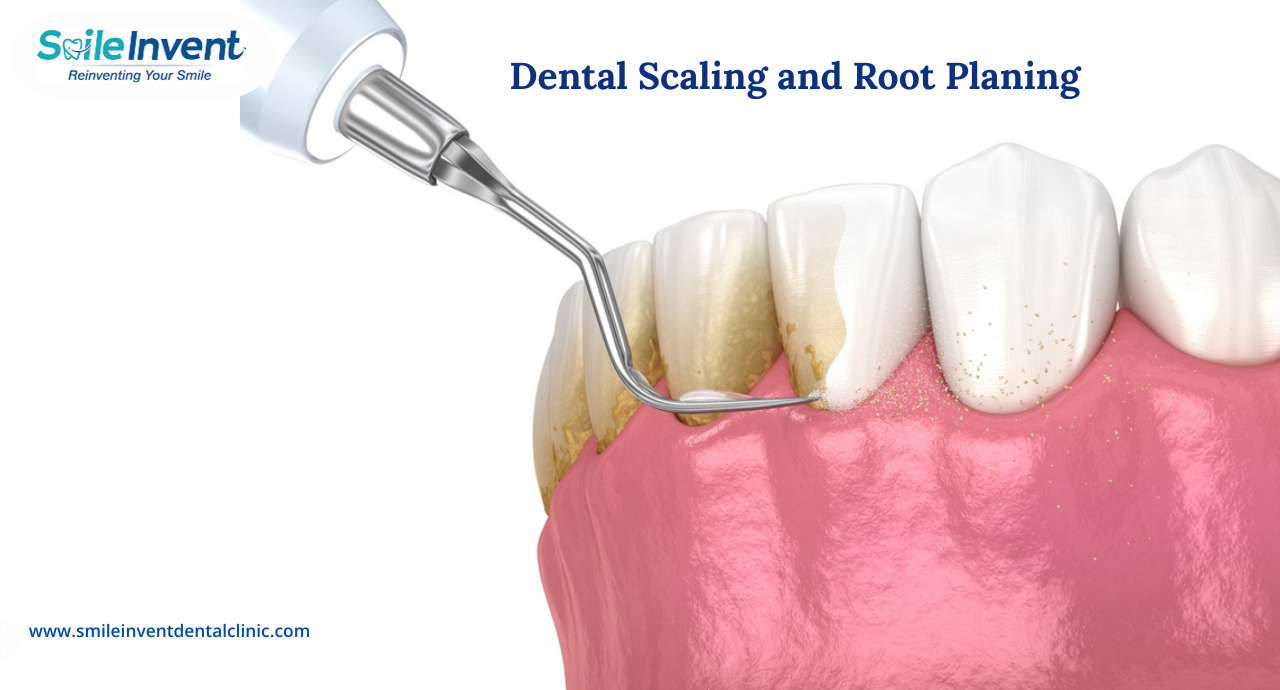
Scaling and root planing is a deep cleaning treatment used to manage gum problems. It goes beyond regular cleaning because it focuses on areas below the gum line where bacteria and deposits build up over time.
Scaling is the first step. In this process, the dentist removes plaque and hardened tartar from the surface of the teeth and from under the gums. This buildup cannot be cleaned with regular brushing, which is why professional tartar removal from teeth becomes necessary. These deposits are one of the main reasons gums become swollen, bleed easily, and start pulling away from the teeth.
After that comes root planing. In this step, the roots of the teeth are gently cleaned and smoothed. When the root surface is rough, bacteria stick to it more easily. Smoothing the roots helps the gums attach back to the teeth and heal properly.
This treatment is usually recommended when gum issues have already started. It helps control the infection, protects the supporting structure of the teeth, and prevents the condition from getting worse.
Gum problems usually start small. You may notice slight bleeding while brushing or a bit of swelling, but it doesn’t feel serious. Because there’s no pain in the beginning, many people ignore it. Over time, plaque turns into tartar and settles below the gum line, where regular cleaning cannot reach.
As this buildup stays there, bacteria begin to irritate the gums. This leads to infection, which slowly damages the tissue and the bone that support your teeth. At this stage, a normal dental cleaning is not enough to fix the problem. That’s why scaling and root planing becomes necessary.
This treatment removes the source of infection from deep areas under the gums. It helps stop the damage, reduces inflammation, and gives your gums a chance to heal. Without this step, the condition can keep progressing and lead to more serious dental issues later on.
Gum problems don’t always cause pain, so they are easy to ignore. But your body still gives small signals that something isn’t right. Paying attention to these early signs can help you avoid bigger dental issues later.
Here are some common signs to watch for:
If your gums bleed often while brushing or flossing, it usually means they are inflamed. Many people ignore this, thinking it’s normal, but healthy gums should not bleed during daily oral care.
Gums that look puffy, red, or feel sensitive to touch are signs of irritation. This happens when bacteria build up along the gum line and start affecting the gum tissue.
If you notice constant bad breath even after brushing, it could be due to bacteria trapped below the gums. This is a common sign of deeper gum infection.
When gums start moving away from the teeth, small pockets form where bacteria can collect. This makes the problem worse over time if not treated.
As gums recede, more of the tooth becomes visible. This change is gradual, so many people don’t notice it immediately.
In advanced cases, the infection starts affecting the support around the teeth. This can make teeth feel slightly loose or create gaps that were not there before.
Gum problems don’t stay the same. If ignored, they slowly get worse over time. What starts as mild bleeding or swelling can turn into a serious condition that affects not just your gums, but also the bone that supports your teeth.
When plaque and tartar remain below the gum line, bacteria continue to grow and spread. This leads to a deeper infection, causing the gums to pull away from the teeth and form pockets. These pockets become a place where more bacteria collect, making it harder to clean and control the problem with regular brushing.
As the condition progresses, it can start damaging the bone that holds your teeth in place. This may lead to loose teeth, shifting of teeth, or even tooth loss in severe cases. Some people also experience constant bad breath and discomfort while eating.
At this stage, simple cleaning is no longer enough, and professional treatment becomes necessary. Getting timely scaling and root planing treatment can help control the infection and prevent further damage.
Ignoring these signs can lead to more complex and costly treatments later. That’s why early care is always the better choice.
Scaling and root planing is a simple and well-planned treatment. It is usually done in one or two visits, depending on how much cleaning is needed.
Here’s how the procedure is typically carried out:
The dentist first checks your gums and teeth. They may measure the depth of the gum pockets to understand how serious the condition is and plan the treatment accordingly.
In this step, plaque and hardened tartar are removed from the surface of the teeth and from below the gum line using special dental tools. This helps clean areas that regular brushing cannot reach.
After scaling, the roots of the teeth are carefully cleaned and smoothed. This reduces rough surfaces where bacteria can stick and helps the gums reattach to the teeth.
If needed, local anesthesia is used to make the procedure comfortable. Most patients feel little to no pain during the treatment.
Once the procedure is complete, the dentist will guide you on how to care for your gums at home to support proper healing.
This is one of the most common questions people have before starting the treatment. The good thing is that scaling and root planing is generally not painful. In most cases, the dentist uses local anesthesia to numb the area, so you don’t feel discomfort during the procedure. You may notice slight pressure or movement while the cleaning is being done, but it is usually easy to tolerate.
After the treatment, it’s normal to feel a little sensitivity in your teeth and mild soreness in your gums. This can happen especially while eating or brushing for a few days. These sensations are temporary and improve as your gums start healing. Most people are able to get back to their normal routine without much difficulty.
Following the aftercare instructions given by your dentist helps reduce discomfort and supports faster healing. If needed, a mild pain reliever or sensitivity toothpaste may be suggested. Overall, the treatment is comfortable for most patients, and the long-term relief it provides makes it completely worth it.
Scaling and root planing is usually recommended for people who are dealing with gum problems that go beyond basic cleaning. It is not meant for everyone, but for those whose gums have started showing signs of infection or damage due to plaque and tartar buildup below the gum line.
People who notice regular bleeding while brushing, swollen gums, or bad breath that doesn’t go away may need this treatment. It is also suggested for those who have gum recession, where the gums start pulling away from the teeth, or when small pockets form between the teeth and gums. These pockets make it easier for bacteria to grow and harder to clean with daily brushing.
In some cases, even if there is no pain, the dentist may still recommend scaling and root planing after a proper check-up. This is because gum disease can progress quietly without clear symptoms. Getting the treatment at the right time helps prevent further damage and keeps your teeth and gums healthy in the long run.
Scaling and root planing offers several benefits for your gum health and overall oral hygiene. It not only treats the current problem but also helps prevent future issues.
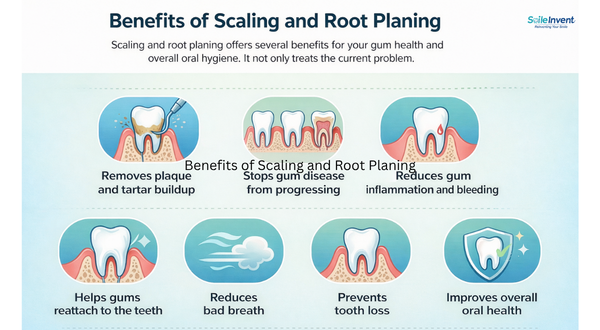
Here are the key benefits:
The treatment clears out harmful deposits from above and below the gum line, which cannot be removed with regular brushing.
By removing the source of infection, it helps control gum disease before it becomes severe.
Once the bacteria are removed, gums start to heal, leading to less swelling and bleeding.
Smoothing the root surfaces allows the gums to fit more closely around the teeth, improving stability.
Cleaning out bacteria from deep areas helps get rid of persistent bad breath.
By protecting the supporting structures of the teeth, this treatment lowers the risk of teeth becoming loose or falling out.
Healthy gums create a strong foundation for your teeth and reduce the chances of future dental problems.
After scaling and root planing, most people feel quite normal, but there can be a few temporary changes as your gums begin to heal. It’s common to notice slight sensitivity in your teeth, especially while eating something hot or cold. Your gums may also feel a bit sore or tender for a short time.
You might also notice that your gums look less swollen after a few days. In some cases, they may shrink slightly as the inflammation reduces, which can make your teeth appear a little longer. This is a normal part of the healing process and usually a sign that your gums are getting healthier.
Within a few days, the discomfort settles down, and your mouth starts to feel cleaner and fresher. As healing continues, your gums become firmer and healthier. Following proper care after the procedure helps speed up this process and keeps your results long-lasting.
Taking care of your gums after scaling and root planing is important for proper healing. The first few days are especially important because your gums are still sensitive and adjusting after the treatment.
Here are some simple care tips to follow:
Use light pressure while brushing to avoid irritating your gums. Keeping the area clean helps prevent bacteria from building up again.
Your dentist may suggest an antiseptic mouthwash to reduce bacteria and support healing.
Stick to soft and mild foods until the sensitivity reduces. This helps avoid discomfort while eating.
Even if your gums feel sensitive, continue brushing and flossing gently to maintain cleanliness.
These can slow down the healing process and affect gum health.
Every case is different, so following personalized advice ensures better recovery.
Scaling and root planing not only treats the current problem but also helps protect your oral health over time. With proper care, the results can last for years.
Here are the long-term benefits:
By removing infection early, it stops gum disease from becoming severe and difficult to manage later.
Healthy gums help maintain the bone structure around your teeth, which is essential for keeping them strong and stable.
When gum health is maintained, the chances of teeth becoming loose or falling out are much lower.
Clean and treated gums are easier to maintain with regular oral care and dental visits.
Early treatment helps avoid advanced procedures like surgery or tooth replacement in the future.
Healthy gums create a strong foundation, making it easier to keep your teeth and mouth in good condition.
Choosing the right dental clinic makes a big difference in how comfortable and effective your treatment is. For procedures like scaling and root planing, proper care, experience, and the right approach are very important.
At the trusted dental clinic in bandra east, Mumbai, you can expect a patient-friendly environment where your comfort is given priority. The treatment is carried out using modern techniques that focus on both effectiveness and safety, so you get the right results without unnecessary discomfort.
The team takes time to understand your condition before starting the treatment. This helps in planning the procedure in a way that suits your needs. You also receive clear guidance and proper aftercare support, which makes the overall experience smoother and more reassuring.
No, the procedure is usually not painful. Local anesthesia is used, so you may only feel slight pressure. Mild sensitivity after treatment is normal and goes away in a few days.
Gums usually start healing within a few days. Complete healing may take around 1 to 2 weeks, depending on your oral condition.
It is done to treat gum disease by removing plaque and tartar from below the gum line and helping the gums heal.
There may be temporary sensitivity or slight discomfort after the procedure. In some cases, gums may shrink slightly as they heal.
The results can last for a long time if you maintain good oral hygiene and go for regular dental check-ups.
It is also known as deep cleaning or deep dental cleaning.
Scaling and root planing is an effective treatment that helps remove plaque and tartar from below the gum line and supports healthier gums. Many people often ask what is scaling and root planing, and the answer is simple. It is a deep cleaning procedure that goes beyond regular cleaning to treat gum problems at an early stage.
Taking care of your gums on time can prevent more serious dental issues later. If you notice signs like bleeding gums or persistent bad breath, it’s better not to ignore them. With the right treatment and regular dental care, you can maintain strong teeth and healthy gums for the long term.

Walk into any supermarket or pharmacy and you will find toothpast...
Read More
Wearing braces can make your daily brushing routine a little more...
Read More
Have you ever noticed a small white mark on your tooth while look...
Read More