
Table of Contents
Losing teeth can change your life in small but frustrating ways. You may find it hard to chew properly. You might avoid certain foods. Even smiling in public can feel uncomfortable. Many people in Nagpur and across India face this problem because of tooth decay, gum disease, injury, or simply age.
Dentures are one of the most common and affordable ways to replace missing teeth. They are custom-made artificial teeth that sit comfortably in your mouth and help restore your smile. Today, dentures are not like the old bulky ones people used years ago. Modern dentures look natural and feel much more comfortable.
Some patients look for affordable dentures that fit their budget. Others ask about flexible dentures for better comfort. There are also options like permanent dentures or even same day dentures for people who need quicker solutions.
The good part is that dentures can bring back both function and confidence. You can eat better, speak clearly, and smile without hesitation.
In this guide, we’ll explain what dentures are, the different types available, how they are made, their benefits and risks, and how to take care of them.
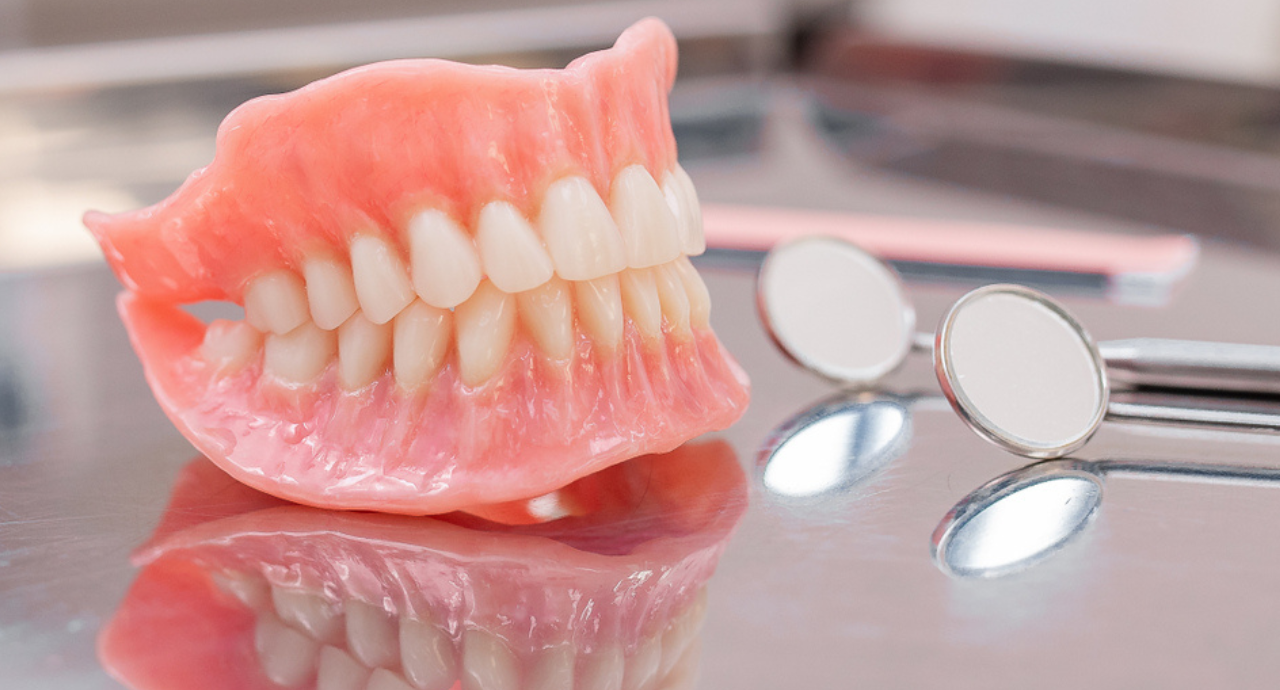
Dentures are removable artificial teeth used to replace missing natural teeth. They are designed to look like real teeth and help you chew, speak, and smile comfortably again.
When teeth are lost, the face can look slightly sunken over time. Dentures support the lips and cheeks, which helps maintain a natural facial shape.
They are custom-made to fit your mouth properly. Some people choose flexible dentures for extra comfort, while others prefer permanent dentures treatment supported by implants. In certain cases, same day dentures are also available for quick replacement.
Dentures are a simple and affordable way to restore missing teeth without major surgery.
There are different types of dentures available. The right one depends on how many teeth are missing and your overall oral health.
Complete dentures are used when all teeth in the upper jaw, lower jaw, or both are missing. They rest directly on the gums and are custom-made to fit your mouth. These are a common and affordable dentures option for full tooth loss.
Partial dentures are suitable when some natural teeth are still present. They fill the empty spaces and are supported by the remaining teeth. Some are made with a metal base, while flexible dentures use a softer material that feels lighter and more comfortable.
These dentures are fixed onto dental implants placed in the jawbone. They feel more secure and stable compared to removable ones. Many patients choose permanent dentures because they do not slip while eating or speaking.
Same day dentures are placed immediately after tooth extraction. This means you don’t have to stay without teeth during the healing period. They may need adjustments later as the gums heal.
Dentures can be a good solution for many people, but the need for them depends on your oral health. A dentist usually checks your teeth, gums, and jaw before recommending dentures.
You may be a good candidate for dentures if:
Missing multiple teeth can make chewing food and speaking clearly difficult. Dentures help restore these functions and make daily activities easier.
Sometimes teeth are too decayed or loose to be saved. In such cases, dentures can replace them and restore your smile.
Missing teeth can change the shape of your face and make the cheeks look slightly sunken. Dentures help support the facial muscles and bring back a more natural look.
Healthy gums and a stable jawbone help dentures fit properly and stay comfortable in the mouth.
Many dental problems start small but become serious over time. Wearable oral devices to prevent dental issues can help protect your teeth early and reduce the chances of future tooth loss. A dentist can guide you on whether preventive options or dentures are the right choice for your situation.
Dentures are custom-made so they fit your mouth properly and look natural. The process involves several steps carried out by both the dentist and the dental laboratory.
The dentist first takes impressions of your gums and any remaining teeth using a soft dental material. This impression captures the exact shape of your mouth, which helps create dentures that fit correctly.
The impressions are sent to a dental laboratory where technicians make a detailed model of your mouth. This model helps them understand your jaw structure and bite alignment before designing the dentures.
A temporary denture made of wax is prepared for a trial fitting. During this stage, the dentist checks the position of the artificial teeth, how they look when you smile, and how your upper and lower jaws meet. Adjustments can be made before the final denture is produced.
After the design is approved, the final dentures are created using strong dental materials. The artificial teeth are carefully fixed into a gum-colored base that resembles natural gums and supports the teeth.
The dentures are then polished and refined to make them smooth and comfortable. The dentist checks the fit again and may make small adjustments to ensure they sit properly in your mouth.
Getting dentures usually involves a few dental visits. Each step helps make sure the dentures fit well and feel comfortable in your mouth.
The dentist first examines your teeth, gums, and jaw. This helps determine whether dentures are the right option and which type would work best for you.
If damaged or unhealthy teeth are still present, they may need to be removed before dentures are placed. The dentist will allow time for the gums to heal in many cases.
The dentist takes impressions of your mouth and records measurements of how your upper and lower jaws meet. These details help create dentures that match your bite.
A sample denture may be placed in your mouth to check how it fits and how the teeth look. Adjustments can be made before the final dentures are prepared.
Once the dentures are ready, the dentist places them in your mouth and checks the fit. Small adjustments may be made to ensure comfort.
Your mouth may take some time to adjust to new dentures. Follow-up visits allow the dentist to make minor corrections so the dentures feel stable and comfortable.
Dentures can make a big difference in daily life for people who have lost several or all of their teeth. They help restore basic functions of the mouth and also improve the way a person looks and feels.
Missing teeth can make it difficult to chew properly. Many people avoid certain foods because eating becomes uncomfortable. Dentures help bring back the ability to chew more easily, allowing you to enjoy a wider variety of foods and maintain a balanced diet.
Teeth play an important role in how we pronounce words. When teeth are missing, speech can sound unclear or different. Dentures help support the tongue and lips, which can make speaking clearer and more natural.
Tooth loss can change the shape of the face. The cheeks may look slightly sunken and the smile may appear uneven. Dentures help fill these gaps and support the facial muscles, which brings back a fuller and more natural appearance.
Many people feel shy about smiling or talking when they have missing teeth. Dentures can help restore confidence by improving the way your smile looks. This can make social interactions, work meetings, and everyday conversations more comfortable.
When some natural teeth are still present, partial dentures can help keep them in proper position. This prevents nearby teeth from shifting into empty spaces and helps maintain better alignment in the mouth.
Dentures are often more affordable than some other tooth replacement treatments. For people who need to replace many teeth, dentures can provide a practical solution that restores both function and appearance.
Dentures are generally safe and widely used, but like any dental treatment, they may come with a few challenges. Most of these issues are temporary and improve as you get used to wearing them.
It is common to feel slight discomfort when you start wearing dentures. The gums and mouth need time to adjust to the new appliance. This feeling usually improves after a short adjustment period.
During the first few weeks, some people may find it difficult to eat certain foods or pronounce certain words. With practice and time, most patients adapt and regain normal chewing and speech.
Dentures that do not fit properly may cause irritation or sore spots on the gums. Regular dental checkups help ensure the dentures fit well and remain comfortable.
Over time, the shape of the gums and jawbone can change. This may cause dentures to feel loose. Dentists can adjust or reline the dentures to improve the fit.
Poor denture hygiene can lead to infections such as fungal growth on the gums. Cleaning dentures daily and maintaining good oral hygiene helps reduce this risk.
Proper care is important to keep dentures clean, comfortable, and long-lasting. Good maintenance also helps protect your gums and any remaining natural teeth.
Dentures should be cleaned every day to remove food particles and plaque. Use a soft denture brush and a non-abrasive denture cleaner. Regular toothpaste can be too harsh and may damage the surface.
Rinsing your dentures with water after meals helps remove loose food particles and keeps them fresh.
Dentists often recommend removing dentures before sleeping. This allows your gums to rest and reduces the risk of irritation.
Dentures should be kept moist when not in use. Placing them in water or a denture soaking solution helps maintain their shape.
Even if you wear dentures, your mouth still needs care. Gently clean your gums, tongue, and any remaining teeth with a soft toothbrush.
Regular dental checkups help ensure that your dentures continue to fit properly and that your oral health stays in good condition.
Dentures are made to be durable, but they usually do not last forever. In most cases, dentures can last around 5 to 10 years. Over time, the gums and jawbone naturally change shape after tooth loss, which can affect how well the dentures fit. Even if the dentures themselves are still in good condition, these changes may make them feel loose or less comfortable.
Proper care can help dentures last longer. Cleaning them daily, handling them carefully, and removing them at night can prevent damage and keep them in good shape. Regular dental checkups are also important because a dentist can check the fit and make adjustments if needed.
If dentures start slipping frequently, cause discomfort, or show visible wear, it may be time for relining or replacement. Visiting your dentist regularly helps ensure that your dentures continue to fit properly and support comfortable chewing and speaking.
Both dentures and dental implants are used to replace missing teeth, but they differ in how they are placed, how they feel, and their long-term maintenance.
Both options can improve your smile and chewing ability. A dentist can examine your oral health and recommend whether dentures or dental implants would be a better choice for your needs.
Choosing the right dental clinic is important when getting dentures, because the fit and comfort depend on proper evaluation and careful planning. At Smile Invent Dental Clinic, patients receive personalized care based on their oral condition and treatment needs.
The dental team focuses on creating dentures that look natural and feel comfortable in daily use. Each denture is designed after carefully examining the gums, jaw structure, and any remaining teeth. This helps ensure a better fit and improved chewing ability.
The clinic also uses modern dental techniques and quality materials to create durable dentures. Patients are guided through every step of the process, from consultation and fitting to follow-up adjustments. This approach helps make the transition to dentures smoother and more comfortable.
With proper guidance and care, Smile Invent Dental Clinic helps patients restore their smile, confidence, and everyday comfort.
A denture is an artificial replacement for missing teeth. It is designed to fit over the gums and restore basic functions like chewing, speaking, and smiling. Dentures are made to look like natural teeth so they blend well with your smile.
Yes, you can eat with dentures. At first, it may take a little time to adjust, but most people return to eating normally after some practice. It is usually easier to start with soft foods and gradually move to harder foods as you get comfortable.
The best type of denture depends on your dental condition. Some people need complete dentures if all teeth are missing, while others may need partial dentures when a few natural teeth remain. A dentist will recommend the most suitable option after examining your mouth.
Dentures can usually be worn during the day, but most dentists recommend removing them at night. This allows the gums to rest and helps maintain better oral hygiene.
If you are missing only one tooth, a partial denture may be recommended. It fills the gap and helps maintain proper spacing between the remaining teeth. In some cases, other options like dental implants may also be suggested depending on your oral health.
Dentures are a practical solution for people who have lost some or all of their teeth. What are dentures? They are custom-made artificial teeth designed to restore your smile, improve chewing ability, and support normal speech. Modern dentures are created to look natural and fit comfortably, helping many people return to their daily routines with confidence.
Different types of dentures are available depending on the number of missing teeth and the condition of your gums and jaw. With proper care and regular dental visits, dentures can last for many years and continue to function effectively.
If you are experiencing tooth loss or difficulty chewing, consulting a dentist can help you understand whether dentures or another tooth replacement option would be suitable for you. Proper guidance and treatment can help restore both oral health and confidence in your smile.
Walk into any supermarket or pharmacy and you will find toothpast...
Read More
Wearing braces can make your daily brushing routine a little more...
Read More
Have you ever noticed a small white mark on your tooth while look...
Read More