
Table of Contents
A root canal is done to stop pain, not create new trouble. Still, many people feel a dull or sharp ache after the treatment. In some cases, it feels like a steady pulse that won’t settle. This is often called throbbing pain.
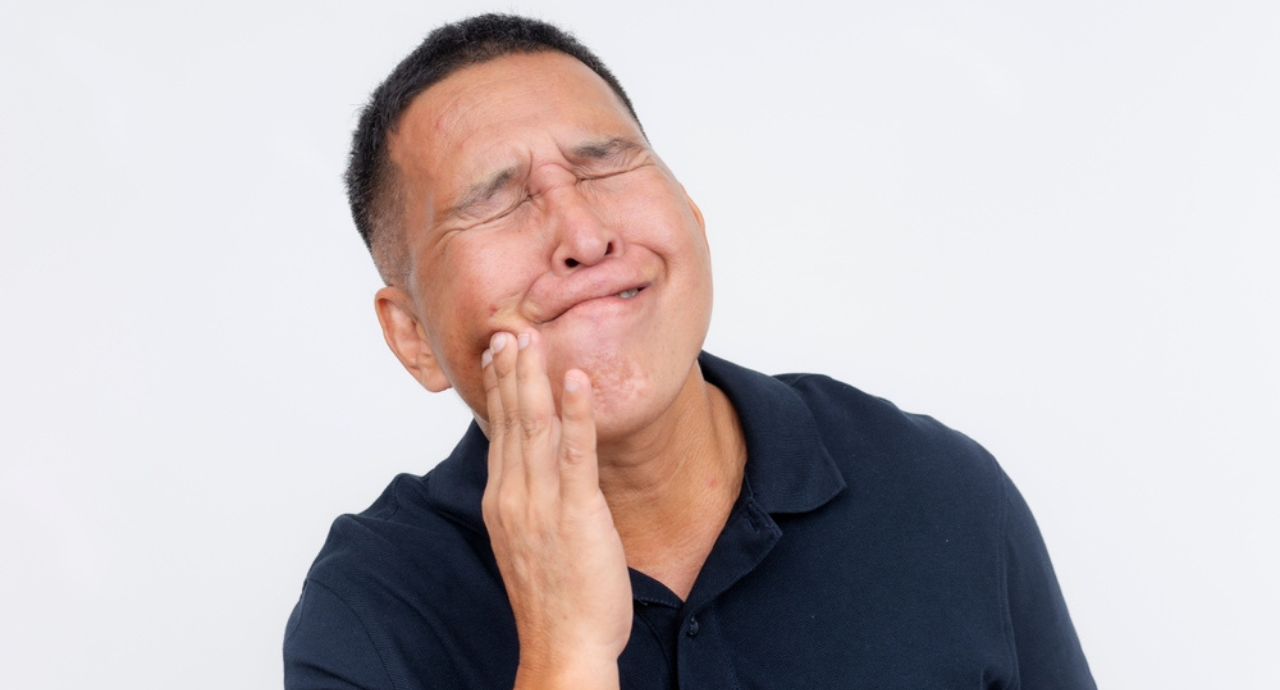
So, what is throbbing pain? It’s a pain that comes and goes in a rhythmic way, almost like a heartbeat. You may feel it in the tooth, the gums, or even around the jaw. Some people also complain of throbbing gum pain or throbbing tooth pain after a crown, which can feel confusing after a dental procedure.
Feeling uneasy after a root canal is common, but constant throbbing pain after root canal treatment shouldn’t be ignored. Knowing the throbbing tooth pain meaning, why it happens, and how to control it can help you stay calm and heal faster.
In this guide, we’ll break everything down in simple words, so you know what’s normal, what’s not, and what to do next.
Pain after a root canal doesn’t feel the same for everyone. Some discomfort is normal while the tooth heals. But the kind of pain you feel can give clues about what’s happening inside your mouth.
Mild soreness is the most common. The treated tooth may feel tender when you bite or chew, which is a type of tooth sensitivity after dental treatment that usually settles as healing continues.
Throbbing tooth pain feels different. It comes in waves and can feel deep inside the tooth. Some people describe it as pressure that builds up and then eases for a while. Throbbing gum pain can happen when the gums around the tooth are irritated. You may notice swelling or sensitivity when you touch the area or brush nearby.
Pain after placing a crown is also common. Throbbing tooth pain after crown placement may happen if the bite feels high or the tooth is still healing under the crown. There can also be sharp pain while chewing, which may point to bite issues or inflammation around the root.
Throbbing tooth pain usually means there is pressure or inflammation around the tooth. This pressure can come from the nerves, the bone near the root, or tissues that are still healing after dental treatment. Many people describe the throbbing tooth pain meaning as a pulsing or beating feeling inside the tooth.
This pain often feels worse at night or when you lie down. Blood flow increases in the head while resting, which can make the pulsing sensation stronger. Some people also notice throbbing gum pain when chewing or when the treated tooth touches another tooth.
Throbbing pain can also point to issues like an uneven bite, swelling near the root, or irritation during treatment. It doesn’t always mean something serious, but if the pain keeps coming back or becomes stronger, it’s best to get it checked.
After a root canal, some pain is normal. Most people feel mild soreness or sensitivity for a few days. The tooth may feel tender when you bite or chew, especially if the area was badly infected before treatment.
For the first 24 to 48 hours, you might feel a dull ache. In some cases, there can be light throbbing pain, but it should slowly settle each day. Painkillers usually help manage this phase.
By the third or fourth day, the pain should reduce a lot. The tooth should feel better, not worse. If the pain stays the same, starts pulsing more, or becomes hard to handle, it’s a sign that healing isn’t going as expected. Means, mild pain is part of recovery. Strong or increasing pain is not.
If the pain doesn’t reduce after a few days or starts getting worse, the tooth may need further care to heal properly. In such cases, follow-up treatment under restorative dentistry helps protect the tooth and prevent future problems. These are some common causes of pain after root canal treatment that patients experience during recovery.
The tissue around the tooth may still be swollen after treatment. This is one of the common causes of pain after root canal treatment and often settles with time.
Sometimes, a small amount of bacteria may remain inside the tooth, leading to ongoing discomfort
Root canals can have tiny pathways. If one is missed or not fully cleaned, it can cause pain later.
In rare cases, a small crack in the tooth may be present, which can cause persistent pain.
Nearby nerves can get irritated during treatment, leading to sensitivity or throbbing pain.
If the treated tooth is slightly higher than others, it may take extra pressure while chewing, causing pain.
Some people remain sensitive to pressure or temperature for a week or more after treatment.
If the pain doesn’t reduce after a few days or starts getting worse, don’t ignore it. Ongoing pain may mean the tooth needs further care. A dentist can check if there is infection, swelling, bite pressure, or any issue inside the treated tooth. Getting it checked early can prevent bigger problems and help you feel comfortable faster.
After a root canal, mild pain or sensitivity is normal for a few days. Most people actually feel less pain than before the treatment because the infection has been removed. Only a small number experience strong pain.
If you feel throbbing pain, these steps can help:
If the pain continues beyond a few days or feels severe, don’t wait. Call your dentist so they can check what’s causing it and give proper relief.
Some discomfort after a root canal is expected, but certain signs mean you should contact your dentist without delay.
These symptoms may point to an underlying issue, such as infection or incomplete healing. Seeing your dentist early helps fix the problem before it turns serious and protects the treated tooth.
Throbbing feels like a pulsing or beating pain, similar to a heartbeat inside the tooth. It may come and go and often feels stronger at night or while chewing.
You can try using an ice pack on the cheek, taking pain medicine as advised, and avoiding chewing on that side. Resting with your head slightly raised also helps.
Throbbing pain can be eased with cold compresses, gentle salt water rinses, and proper pain medication. Keeping pressure off the tooth gives it time to heal.
Avoid chewing hard or sticky foods on the treated tooth. Don’t skip medicines given by your dentist and avoid touching or pressing the area with your tongue or fingers.
Yes, a mild headache can happen due to jaw strain or stress during the procedure. It usually goes away within a day or two.
Sensitivity can happen while the tissues around the tooth are healing. It should reduce over time, but if it lasts long, your dentist should check it.
Some discomfort after a root canal is normal, especially in the first few days. Throbbing pain usually settles as the tooth heals. Knowing how to stop throbbing pain after a root canal can make recovery easier and less stressful.
Simple steps like using an ice pack, taking medicines as advised, avoiding pressure on the treated tooth, and maintaining good oral hygiene can help reduce pain. If the pain doesn’t improve, feels severe, or returns after a week, getting it checked early is important. At Smile Invent Dental Clinic, we focus on identifying the cause of post-treatment pain and guiding patients with the right care for smooth healing. With proper attention and timely treatment, a root canal can provide long-term relief and help you stay pain-free.
Walk into any supermarket or pharmacy and you will find toothpast...
Read More
Wearing braces can make your daily brushing routine a little more...
Read More
Have you ever noticed a small white mark on your tooth while look...
Read More