
Table of Contents
Oil pulling is an ancient oral hygiene practice that has recently gained popularity, a stark contrast to today’s high-tech approaches like digital dentistry, across social media and wellness communities. Many people are turning to this traditional technique in hopes of improving their dental health naturally. But the big question remains: Does oil pulling actually work?
In this blog, we’ll break down what oil pulling is, how it’s done, and whether it truly benefits your teeth and gums. You’ll also find answers to commonly asked questions and tips if you're considering trying it for yourself.
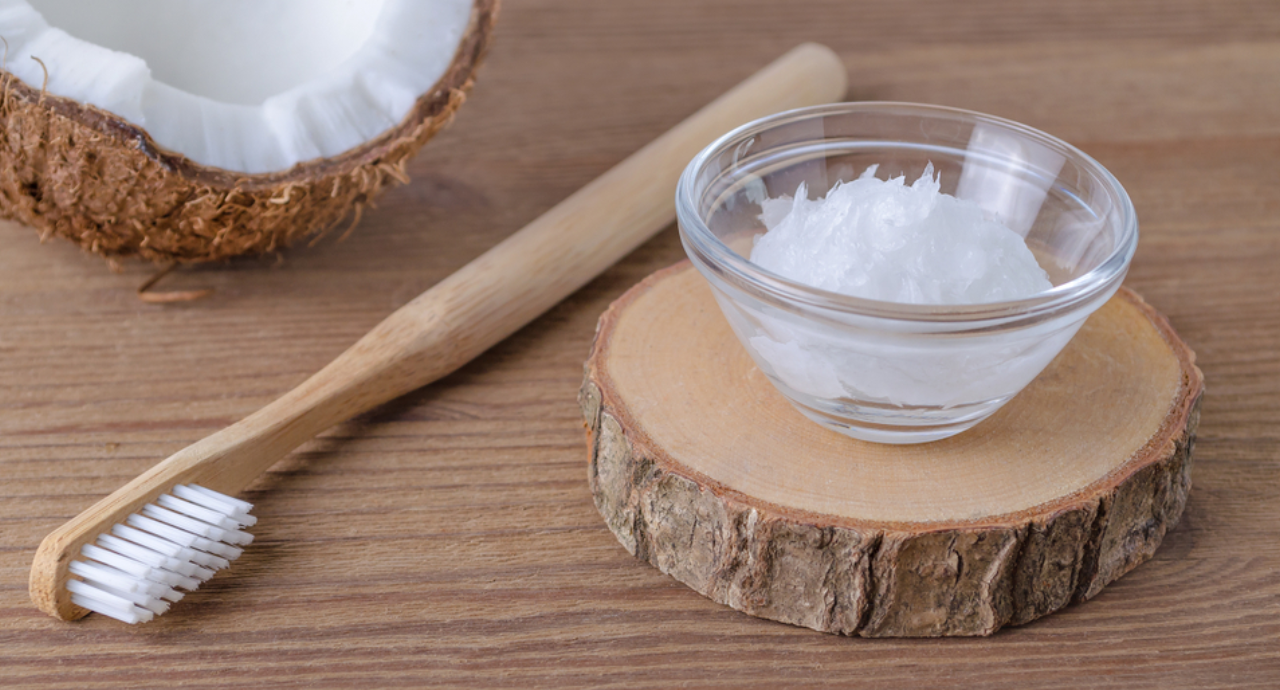
Oil pulling is a simple home remedy that involves swishing oil around in your mouth a bit like using mouthwash, but with oil instead of liquid. It’s been used for centuries in India as part of traditional Ayurvedic practices, mainly for keeping the mouth clean and healthy.
The most commonly used oil today is coconut oil, but some people also use sesame or sunflower oil. The process usually lasts about 10 to 20 minutes. During that time, the oil mixes with saliva and moves through your teeth and gums, helping to lift away bacteria and leftover food.
After swishing, the oil is spat out and your mouth is rinsed well with water. Some people say it leaves their mouth feeling fresher and their teeth looking a little brighter.
It might sound a little odd at first, but many have made it a part of their daily routine, just like brushing or flossing.
Some small studies suggest that oil pulling can help reduce harmful bacteria in the mouth. One study found that coconut oil was as effective as a prescription mouthwash in reducing Streptococcus mutans, the bacteria linked to tooth decay. Another study showed that coconut oil worked better than sesame oil in easing gum inflammation.
Olive oil is also considered helpful because of its natural antibacterial and antioxidant properties.
The American Dental Association (ADA) does not recognize oil pulling as a proven method for preventing cavities or gum disease. Brushing, flossing, and regular dental checkups are still essential.
It offer minor benefits, but it should be used alongside your usual dental care routine.
Oil pulling may help reduce some mouth bacteria, but dentists say it should only be used along with brushing and flossing. It should not replace regular dental care.
Oil pulling is simple and can easily be added to your morning routine. It’s usually done before brushing your teeth or having anything to eat or drink. Follow the given steps:
Use about one teaspoon of coconut oil, which is popular for its antibacterial properties. Sesame oil is also a traditional choice. Place the oil in your mouth but don’t swallow it.
Move the oil slowly around your mouth, pulling it through your teeth and across your gums. Keep the motion gentle and steady. Try to continue for 15 to 20 minutes. If you’re just starting out, even 5 to 10 minutes is okay.
Once you're done, spit the oil into a tissue or trash can. Avoid the sink or toilet, since oil can harden and clog pipes over time.
Rinse your mouth well with water to clear out any leftover oil. Then brush your teeth as usual to leave your mouth feeling clean and fresh.
Oil pulling isn’t a miracle cure, but it does have some real benefits when done regularly, along with brushing and flossing. Several studies suggest it may help support oral hygiene, especially in areas where access to dental products is limited. It’s important to note that results can vary depending on how often and how consistently you practice oil pulling. If you’re comparing oil pulling vs flossing, keep in mind that flossing is essential for deep cleaning, while oil pulling works best as a supportive wellness habit to freshen breath and reduce bacteria. Benefits of oil pulling includes:
Coconut oil has natural antibacterial properties. Some studies show that oil pulling may help reduce the buildup of plaque and the presence of Streptococcus mutans, a common bacteria that causes tooth decay.
Oil pulling may help lower inflammation in the gums and reduce early signs of gum disease, such as gingivitis. It works best when it’s part of a regular routine that includes brushing and flossing.
By reducing bacteria in the mouth, oil pulling might help improve bad breath. While it’s not a replacement for mouthwash, it can offer a simple and natural option for fresher breath.
Oil pulling doesn’t require any fancy tools or expensive products. It can be a helpful practice in places where dental care products are harder to get.
When people hear about the benefits of oil pulling, a common question arises: how does it compare to flossing? Understanding oil pulling vs flossing is important because both play very different roles in oral hygiene.
Oil pulling is an ancient practice where oil, usually coconut or sesame, is swished around the mouth to help reduce bacteria, freshen breath, and support gum health. It can be a helpful addition to a daily routine, especially for those looking for a natural method to complement brushing.
Flossing, on the other hand, is essential for physically removing plaque and food particles from between the teeth and under the gumline. These are areas a toothbrush and oil pulling cannot reach. Without flossing, plaque buildup can lead to cavities and gum disease over time.
Dentists agree that flossing should never be skipped, as it directly prevents oral health problems. Oil pulling, while beneficial, should be seen as a supportive practice rather than a replacement. In short, when comparing oil pulling vs flossing, flossing is vital for deep cleaning, while oil pulling can be used alongside it for added freshness and bacterial control
Oil pulling is a simple and natural practice, but like anything, it may come with a few side effects - especially if you’re new to it or not doing it properly. Here's what you might experience and how to handle it.
Some people feel a bit sick during or after oil pulling, especially if they swallow a little oil by mistake. This can happen because of the oily texture or strong taste. To avoid this, start with a small amount and make sure to spit out all the oil when you're done.
If you accidentally swallow the oil, it can lead to stomach discomfort like bloating, indigestion, or cramps. Always spit the oil out fully and rinse your mouth with water afterward to remove any leftover residue.
Swishing oil around your mouth for 10–20 minutes can make your jaw feel tired or sore, especially in the beginning. Try starting with shorter sessions and build up slowly. Taking breaks and relaxing your jaw between sessions can also help.
In very rare cases, tiny amounts of oil can accidentally be inhaled into the lungs, which may cause a condition called lipoid pneumonia. This is unlikely to happen if you’re careful not to breathe in while swishing and always spit the oil out properly.
If you’re allergic to certain oils like coconut or sesame, you might notice itching, rash, or swelling in your mouth or throat. If that happens, stop using that oil and try a different one that you know is safe for you.
Oil pulling may help reduce harmful bacteria in the mouth and improve oral hygiene. However, scientific evidence is limited and it shouldn’t replace brushing or flossing.
Some people notice fresher breath or cleaner-feeling teeth within a few days. For long-term effects like reduced plaque, it may take a few weeks of consistent use.
The oil emulsifies and mixes with saliva, trapping toxins, bacteria, and debris. This process causes the oil to turn white and thicker in consistency.
Oil pulling is generally safe for most people when done properly with edible oils like coconut or sesame. Avoid swallowing the oil, as it contains bacteria and toxins.
There is no strong evidence that oil pulling prevents cavities, but it may reduce harmful bacteria when used along with brushing and flossing.
Flossing is essential for removing plaque and food particles between teeth, something oil pulling cannot achieve. Oil pulling may support oral freshness and reduce bacteria, but it should be seen as a complement—not a substitute—for flossing.
Oil pulling has been around for centuries and continues to gain attention for its simple, natural approach to oral care. While it is not a replacement for brushing, flossing, or visiting the dentist, it may offer some added support in keeping your mouth clean.
Some people notice fresher breath, less plaque, and healthier gums when they include it in their daily routine. It’s easy to try, requires very little, and can be done at home without much effort.
If you’re considering giving it a try, stay consistent and pair it with your regular dental habits. For any dental concerns or ongoing issues, speak with your dentist for proper guidance.
Walk into any supermarket or pharmacy and you will find toothpast...
Read More
Wearing braces can make your daily brushing routine a little more...
Read More
Have you ever noticed a small white mark on your tooth while look...
Read More