
Table of Contents
A healthy smile is not just about looking good, it also helps you eat comfortably, speak clearly, and feel confident every day. When a person has several dental problems like worn-out teeth, missing teeth, bite issues, or long-term tooth decay, small or single treatments may not be enough to fix everything.
Full Mouth Rehabilitation (FMR), also known as Full Mouth Reconstruction, is a comprehensive dental treatment that restores the health, function, and appearance of all teeth. By combining restorative and cosmetic procedures such as crowns, dental implants, No-prep veneers, and bite correction, FMR helps patients regain comfort while eating, speaking, and smiling confidently.
Full Mouth Rehabilitation (FMR) is a comprehensive dental treatment plan designed to restore or rebuild all teeth in the upper and lower jaws. Commonly referred to as FMR in dentistry, this approach goes beyond a single procedure such as a filling or crown. It combines restorative and cosmetic dental treatments to address bite problems, damaged teeth, and overall oral health concerns.
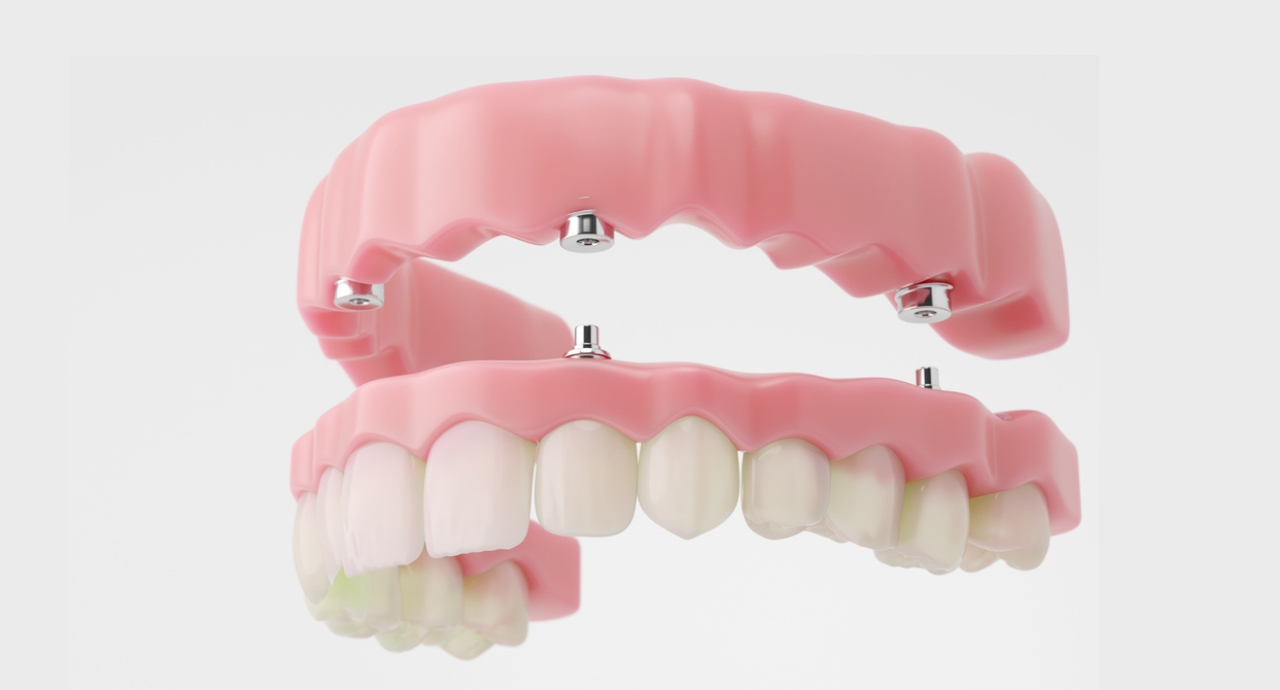
Depending on the patient’s condition, full mouth rehabilitation may include:
Full Mouth Rehabilitation (FMR), also known as full mouth reconstruction, is usually recommended for people who face multiple dental issues that affect both the appearance and function of their teeth. This treatment is suitable for patients with complex dental problems that cannot be resolved with a single procedure. Some common cases include:
Teeth grinding (bruxism), acid reflux, or habits like chewing hard foods can wear down enamel over time. Severely worn teeth not only look shorter but can also cause sensitivity and an uneven bite.
Losing several teeth can make it difficult to chew food properly, affect speech, and even cause the remaining teeth to shift out of place. This imbalance can also lead to jaw strain.
When cavities spread or teeth break due to trauma, restoring just one or two teeth may not be enough. Full mouth rehabilitation addresses widespread damage across the mouth.
Advanced gum problems can cause teeth to become loose, shift position, or even fall out. Treating gums along with teeth is essential for lasting oral health.
Misaligned teeth or an incorrect bite can place extra pressure on the jaw joints. This may lead to headaches, clicking sounds, or pain in the jaw area.
Injuries from accidents, sports, or falls can result in broken, chipped, or lost teeth. Rehabilitation helps restore both function and appearance in such cases.
Full Mouth Rehabilitation is not a single treatment but a series of carefully planned steps. The procedure may vary depending on each patient’s oral condition, but the common process usually includes:
The first step involves a complete dental examination. This may include X-rays, digital scans and advanced technology, photographs, and impressions to evaluate teeth, gums, jaw joints, and bite. The dentist also discusses your concerns and goals to create a clear treatment roadmap.
Based on the diagnosis, a customized plan is prepared. This plan may combine different procedures such as crowns, bridges, implants, or orthodontics. It also outlines the timeline, estimated cost, and sequence of treatments.
Before major restorations, existing dental issues are treated. This may include gum therapy, fillings, root canals, or tooth extractions. These steps ensure a healthy foundation for long-term results.
In some cases, temporary crowns, bridges, or dentures are placed to test comfort, bite, and appearance. This stage helps the dentist make adjustments before final restorations.
Permanent restorations such as crowns, veneers, bridges, or implants are fitted. The bite is carefully adjusted to ensure proper function, comfort in chewing, and natural appearance.
Once the procedure is complete, follow-up visits are scheduled to monitor healing, check restorations, and make minor adjustments if required. Patients are also guided with care instructions to maintain long-lasting results.
The overall cost and duration of full mouth rehabilitation (FMR) depend on the patient’s oral condition and the combination of treatments needed. Below are the main factors:
If only a few teeth need crowns, veneers, or fillings, the cost will be lower and treatment time shorter. However, when most or all teeth require restoration or replacement, the expense increases, and the process takes longer.
Each treatment adds to the total cost. For example, crowns and bridges are usually less costly compared to dental implants, while orthodontic aligners may take longer than simple restorations. The more complex the plan, the higher the cost and duration.
Different materials have different price ranges. Porcelain and zirconia are more durable and natural-looking but cost more, while composite materials are budget-friendly but may not last as long. The choice of material also influences how long the results will last.
Some patients may also need gum disease treatment, root canal therapy, or bite correction before beginning rehabilitation. These add to both the cost and the time required, but they are essential for creating a healthy foundation before placing restorations.
Clinics that use advanced digital scans, 3D planning, and modern dental equipment may have slightly higher costs. However, these technologies improve accuracy, comfort, and long-term results, making the investment worthwhile.
Full Mouth Rehabilitation (FMR) not only improves the appearance of your smile but also restores overall oral health and function. Here are the major benefits:
Damaged, missing, or misaligned teeth can make eating and speaking difficult. FMR rebuilds proper bite function, allowing patients to chew food comfortably and speak clearly.
Treatments like veneers, crowns, and implants give a natural, uniform look to teeth, helping patients regain confidence in their smile.
Chronic issues such as jaw pain, tooth sensitivity, or headaches caused by misaligned bites can be addressed through bite correction and restorative treatments.
By repairing cracked, worn, or decayed teeth, FMR prevents the problem from worsening, reducing the risk of tooth loss or gum disease in the future.
Periodontal therapy and root canal treatments help eliminate infection and restore gum and bone health, creating a strong base for long-term dental stability.
Every rehabilitation plan is tailored to the patient’s needs—whether they require crowns, implants, or orthodontics—ensuring effective and lasting results.
A healthy and attractive smile improves overall self-esteem, encouraging patients to feel more comfortable in personal and professional interactions.
Although Full Mouth Rehabilitation (FMR) provides lasting benefits, patients should be aware of the possible risks and important considerations before starting treatment:
FMR usually combines multiple dental procedures such as crowns, veneers, implants, orthodontics, and gum treatments. Because many treatments are performed together, it requires detailed planning, precise execution, and coordination between dental specialists. This complexity can sometimes make the process longer and more challenging compared to a single dental treatment.
Full rehabilitation is a step-by-step process and cannot be completed in a single visit. Some treatments, such as crowns or veneers, may take only a few weeks, while others—like dental implants—require months of healing between stages. Patients must be prepared for multiple appointments and a longer overall timeline.
Since FMR includes several procedures, high-quality dental materials, and advanced technologies, the overall cost is higher than regular dental treatments. It should be considered as a long-term investment in oral health, comfort, and function rather than just a cosmetic upgrade.
After receiving restorations or bite correction, patients may need time to adjust. Temporary issues such as mild discomfort, tooth sensitivity, or slight changes in speech and chewing may occur, but these usually improve as the mouth adapts to the new restorations.
As with any dental treatment, risks such as infection, gum irritation, tooth sensitivity, or failure of a crown or implant are possible. However, with proper diagnosis, planning, and expert care, these risks are minimized and can be managed effectively.
The long-term success of FMR doesn’t depend only on the dentist’s work but also on the patient’s commitment. Regular brushing, flossing, and professional check-ups are essential to maintain the restorations. Neglecting oral hygiene can shorten the lifespan of crowns, implants, or veneers.
Taking care of your teeth after Full Mouth Rehabilitation (FMR) is essential to keep your restorations strong and long-lasting. Proper maintenance ensures that crowns, implants, veneers, and other treatments remain in good condition for many years. Here are some important tips:
Brush twice a day with a soft-bristled toothbrush and fluoride toothpaste. Floss daily or use interdental brushes to clean between crowns, bridges, and implants.
Antibacterial mouthwash can help reduce plaque buildup and protect gums, especially around dental implants and restorations.
Chewing on ice, biting hard objects, or eating sticky foods can damage crowns, veneers, and bridges. Choosing softer, tooth-friendly foods will protect your restorations.
Visit your dentist every 6 months (or as recommended) for professional cleaning and to check the condition of your restorations. Early detection of issues can prevent bigger problems.
If you grind your teeth at night (bruxism), wearing a night guard can protect crowns, veneers, and implants from unnecessary pressure and wear.
Limiting sugary snacks, avoiding tobacco, and reducing alcohol intake help in keeping your gums and teeth healthy, supporting the success of FMR in the long term.
At Smile Invent Dental Clinic, we provide comprehensive care for patients who require Full Mouth Rehabilitation (FMR). Our team focuses on restoring both the health and appearance of your smile through advanced and personalized treatments. Here’s how we can help:
We begin with a detailed consultation, digital scans, and X-rays to assess your oral health and design a customized treatment plan that addresses your specific needs.
From crowns, veneers, and bridges to dental implants, aligners, and gum therapy, we offer all the procedures required for complete mouth rehabilitation under one roof.
Using modern tools like digital impressions and 3D treatment planning, we ensure precision, comfort, and long-lasting results
Patient comfort is our priority. We follow strict sterilization protocols and provide painless dentistry options to make your experience stress-free.
Our dentists are experienced in restorative, cosmetic, and implant dentistry, ensuring that every aspect of your treatment is handled with expertise.
We guide you with detailed maintenance tips and schedule regular follow-ups to help protect your restorations and keep your smile healthy for years.
FMR in dentistry stands for Full Mouth Rehabilitation, a treatment approach that restores the function, health, and appearance of all teeth using a combination of dental procedures based on individual needs.
No. A smile makeover mainly focuses on improving appearance through cosmetic treatments like whitening or veneers. Full Mouth Rehabilitation goes beyond looks—it restores both function and health with treatments such as crowns, implants, gum therapy, and orthodontics.
You may need FMR if you have multiple missing teeth, worn or fractured teeth, severe bite problems, gum disease, or chronic dental pain. A dentist can confirm your suitability after a detailed oral examination.
Most procedures are performed under local anesthesia or sedation, which keeps you comfortable during treatment. Some mild soreness or sensitivity may occur afterward, but it usually subsides in a few days.
With proper oral hygiene, regular dental check-ups, and good lifestyle habits, results can last many years. Restorations like implants, crowns, and veneers are designed to be durable and long-lasting.
Yes. Depending on your condition and budget, the treatment can be planned in phases. This staged approach helps patients manage costs and adjust to each step gradually.
There is no strict age limit. Both younger adults with severe dental issues and older patients can undergo FMR, provided they are medically fit for dental procedures.
Coverage depends on your insurance policy. Some procedures, like medically necessary crowns or gum treatments, may be partially covered, while cosmetic aspects may not. It’s best to check with your insurance provider.
Full Mouth Rehabilitation (FMR) is a comprehensive treatment approach that restores the function, health, and appearance of your entire smile. By combining procedures like crowns, veneers, dental implants, bridges, root canal treatments, orthodontics, and gum therapy, FMR addresses complex dental issues that affect both aesthetics and daily comfort.
Although the process requires time, planning, and investment, the long-term benefits—such as improved chewing ability, pain relief, a healthier bite, and renewed confidence—make it a worthwhile solution for many patients.
At Smile Invent Dental Clinic, our skilled team uses advanced technology and a patient-focused approach to create personalized rehabilitation plans. With proper aftercare and regular dental check-ups, the results of full mouth rehabilitation can last for many years, giving you a healthier, functional, and confident smile.

Walk into any supermarket or pharmacy and you will find toothpast...
Read More
Wearing braces can make your daily brushing routine a little more...
Read More
Have you ever noticed a small white mark on your tooth while look...
Read More